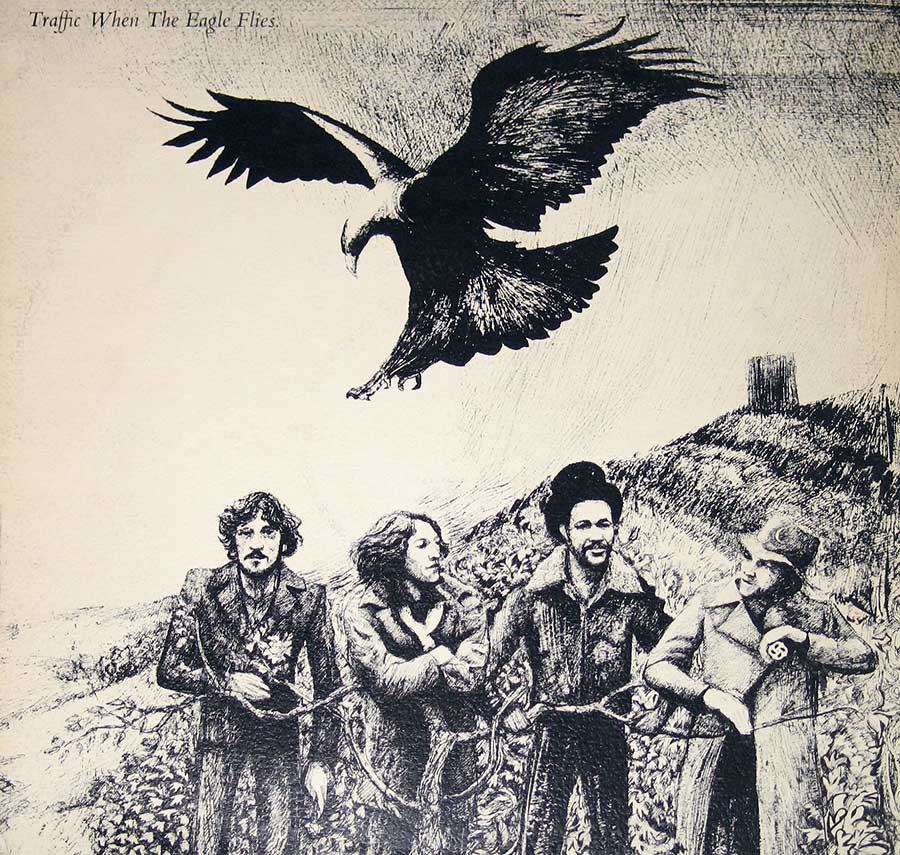
Album Description:
I first met Traffic's "When the Eagle Flies" the way a lot of us met mid-70s records: late evening, a slightly suspicious silence in the room, and that small internal dare of dropping the needle on something you think you know. You expect the warm, rolling Traffic haze. You get it. But it comes with a colder edge tucked inside the grooves.
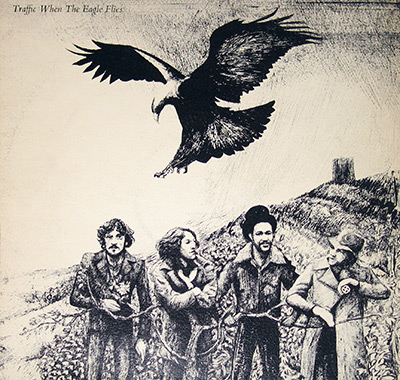
Released in September 1974, this one feels like a band trying to keep its balance while the floor shifts. Not in a dramatic, tabloid way. More like the quiet kind of drift where everyone still plays, still smiles, but the door is already ajar.
Traffic had already earned their reputation for blending rock, folk, blues, and jazz without sounding like they were doing homework. By the time "When the Eagle Flies" arrived, the songs don't posture. They circle. They stall. They lunge. The mood is leaner than the earlier, wide-eyed idealism people like to pin on them, and it suits the times: post-60s glow, pre-punk impatience.
Musical exploration and evolution
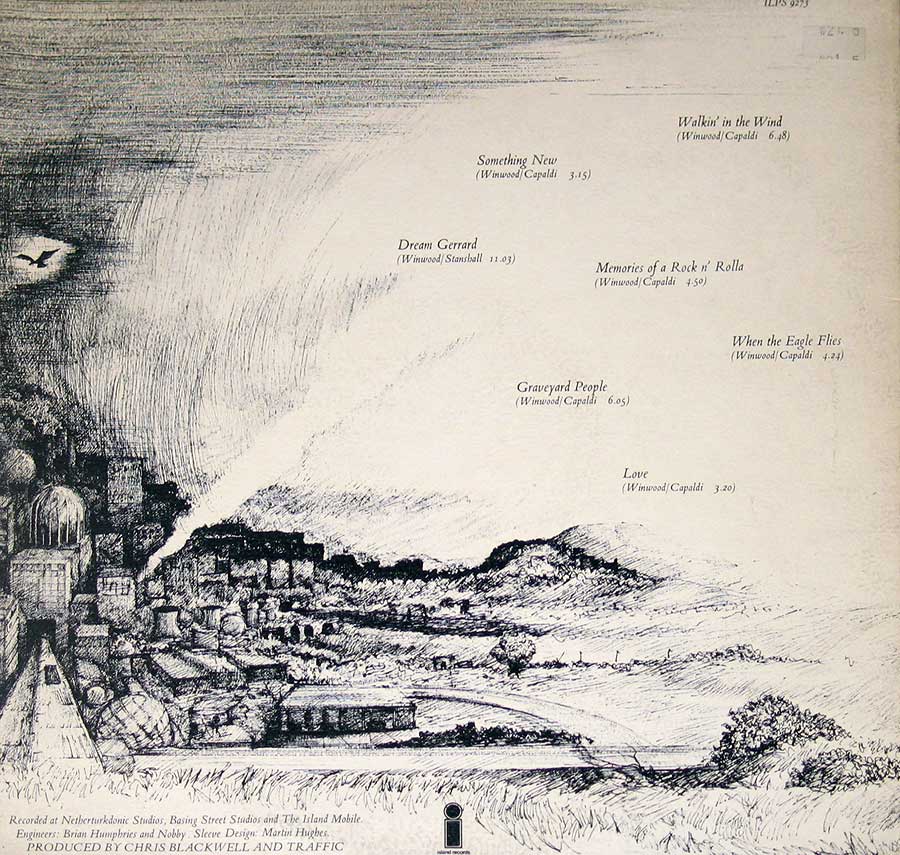
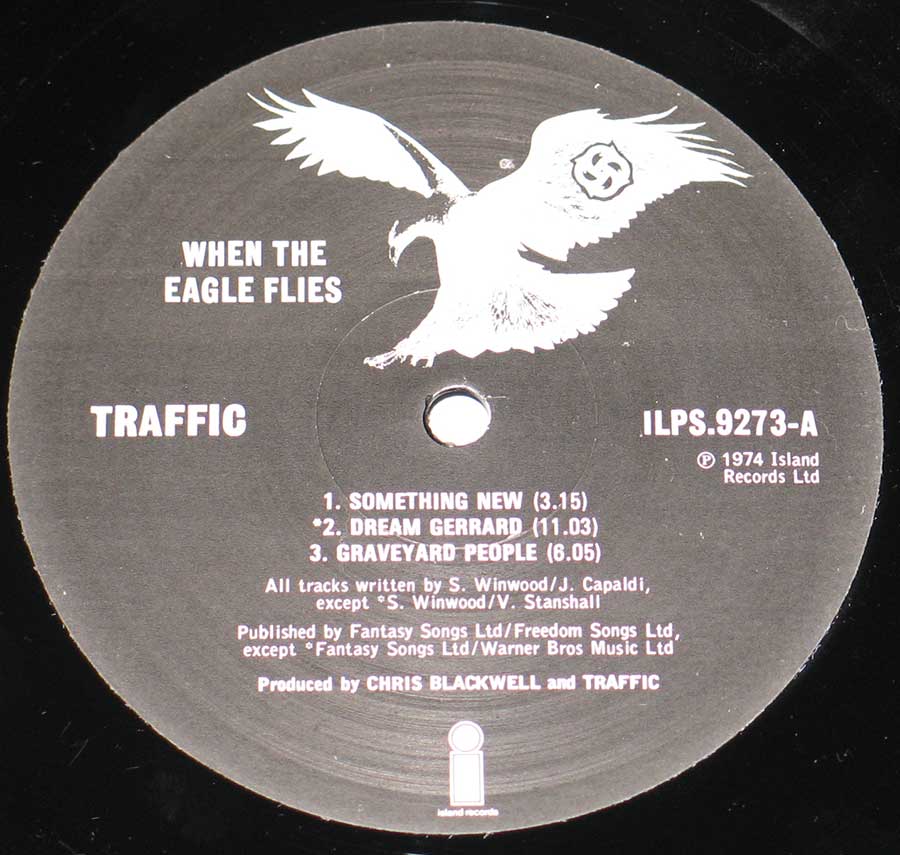
"Something New" opens the record like a dry remark you can't quite laugh off. Then "Dream Gerrard" stretches out for around 11 minutes and just... keeps going. On a good system, it can feel like a long corridor with different doors opening as you walk. On a bad day, it can feel like the corridor is proud of itself. Both can be true. That's prog rock for you: beautiful, stubborn, occasionally a bit full of its own incense.
The real punch, for me, is "Graveyard People" and "Walking in the Wind" when they dig their heels in and push the band forward instead of letting the music politely float. "Memories of a Rock 'n' Rolla" lands like an old photo pulled from a sleeve: worn at the corners, still strangely loud. And then the title track closes it out without triumph. More like a shrug with consequences.
Recording studio and line-up
Despite the persistent myth-making you see repeated online, the album is credited to recording at Netherturkdonic Studios (Gloucestershire) and Basing Street Studios (London). You can hear that English-room feel in the air around the instruments: not Southern grit, more foggy wood and tape warmth.
The core lineup here is the late-era Traffic triangle with an extra weight on the bottom end: Steve Winwood (vocals, keys, guitar), Chris Wood (flute, sax), Jim Capaldi (drums, percussion, plus extra bits), and Rosko Gee on bass. And yes, Rebop Kwaku Baah was out before the album was finished, but he still turns up on two tracks (commonly credited on tracks 3 and 7) like a ghost percussionist refusing to fully leave the room.
Tensions, and the quiet end of things
You can call it “internal tensions” if you want to sound polite. I hear a band that’s still talented, still curious, but less interested in pretending it’s all one happy caravan. They toured, they frayed, and they were essentially done not long after. The U.S. still took it seriously: it peaked at #9 on the Billboard 200. Which is funny, because this doesn’t sound like a record made to win anything. It sounds like a record made because stopping would’ve felt worse.
I don’t file "When the Eagle Flies" under “final statements” or “swan songs.” That’s too neat. It’s more like the last conversation at the end of the night when the room is emptying and someone says one honest thing on the way out. Then the door closes. No encore. Just that little click.