EKSEPTION Band Description:
Ekseption: Dutch Masters of Classical-Prog Fusion
In the late 1960s and into the 1970s, a unique thread emerged from the Netherlands – Ekseption. They took the high-drama architecture of classical music and wired it straight into the energy of rock, landing in that sweet spot where “concert hall” meets “amp hum.” The result wasn’t polite fusion; it was big, brash, and weirdly catchy.
Origins and Influences
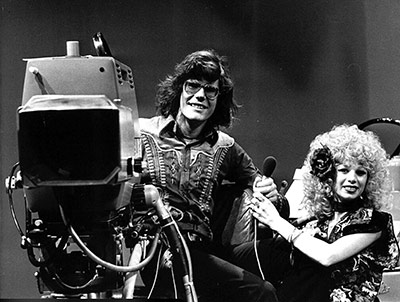
Ekseption started in 1967 in Haarlem, built around trumpeter Rein van den Broek, who remained the one constant presence across the band’s changing line-ups. Keyboardist Rick van der Linden joined in 1969 and quickly became the dominant musical director, steering the band hard toward “classical rock” after being inspired by groups like The Nice. That’s the moment Ekseption’s signature identity really clicked.
The best-known early line-up around the 1969 breakthrough included Rein van den Broek (trumpet/flugelhorn), Rick van der Linden (keyboards), Cor Dekker (bass), and drummer Peter de Leeuwe (with later early-70s drum changes as the band evolved). The sax/flute chair also shifted early: Rob Kruisman was there in 1969, and Dick Remelink took over after that, keeping the reed-and-flute color in the mix.
Transforming the Classics
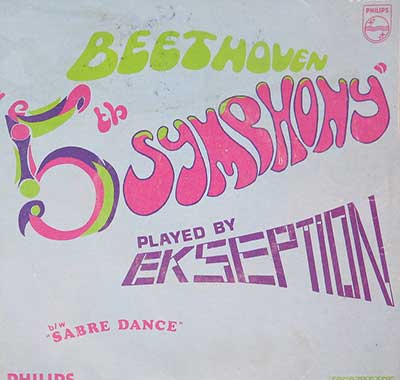
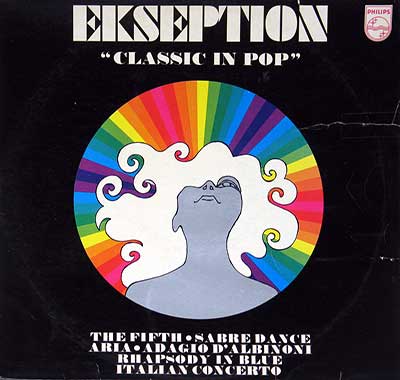
Ekseption’s approach was revolutionary for mainstream audiences: they reworked classical themes into rock frameworks without stripping away the melody. Their adaptation of Beethoven’s Fifth (“The 5th”) became a major hit in 1969, and their take on Bach’s “Air” also charted strongly in the Netherlands. They weren’t just quoting composers; they were rebuilding the material with keyboards up front, brass cutting through the mix, and a rhythm section pushing everything forward.
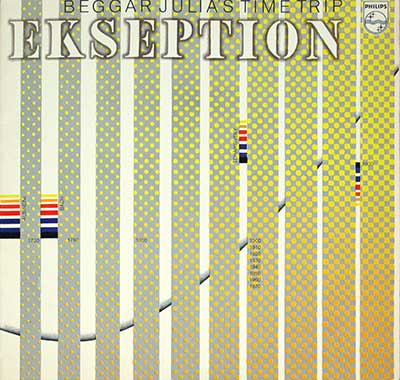
This concept hit big. Their 1969 self-titled debut set the template, and the follow-up album “Beggar Julia’s Time Trip” (also 1969) even won a Dutch Edison Award. Across the early run, Ekseption moved serious units: multiple early albums earned gold status, which is pretty wild for a band whose main hobby was turning classical motifs into rock ammunition.
Beyond the Classics
While the classical reworks made the headlines, Ekseption didn’t live on one trick forever. Their albums typically mixed reinterpreted classical pieces with other material, and later periods leaned further into original compositions and jazzier directions. After major internal shifts in the mid-1970s, the band’s sound changed noticeably, and Ekseption went through breakups, offshoot projects, and reunions before finally winding down by the late 1980s.