KAYAK Band Description:
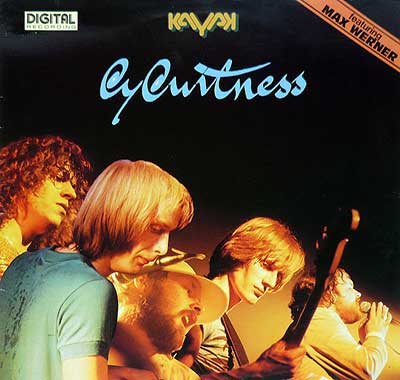
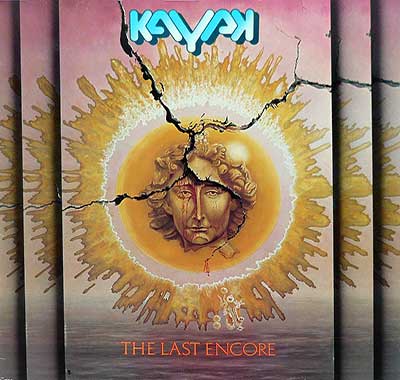
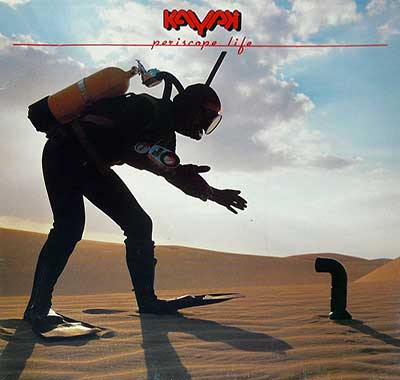
Kayak is a Dutch progressive/symphonic rock band formed in 1972 in Hilversum by keyboardist and main composer Ton Scherpenzeel and drummer Pim Koopman. Over the decades the band built a dedicated following at home and abroad, mostly on the strength of that very Kayak mix: big, melodic songwriting with a prog brain and a pop heartbeat.
History
Kayak started with Scherpenzeel and Koopman at the core, joined early on by Max Werner (initially as drummer and singer), guitarist Johan Slager, and bassist Cees van Leeuwen. Their 1973 debut album was See See the Sun, which introduced the band as a serious symphonic rock contender rather than just another local rock act with a fancy organ. A self-titled second album, Kayak, followed in 1974, and the group kept refining that blend of dramatic arrangements and immediately “singable” hooks.
In 1975 Kayak released Royal Bed Bouncer, and the single “Chance for a Lifetime” became a notable Dutch chart hit (Top 20 rather than Top 10, for the record). Through the later 1970s they kept releasing albums and touring, with “Ruthless Queen” (1979) often singled out as their best-known hit in the Netherlands. Line-ups shifted over time, including bass changes (Bert Veldkamp became part of the classic mid-70s picture), but Scherpenzeel’s writing and keyboards stayed the anchor.
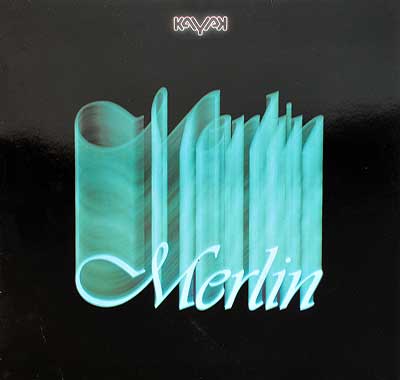
Kayak disbanded in 1982 after a strong 1970s run and several albums, then returned in 1999 and resumed touring and recording. In the 2000s they revisited their love of larger-scale storytelling with Merlin - Bard of the Unseen (2003), and later releases included Seventeen (2018), showing the band could still do “grand” without turning into a museum exhibit.
Musical Style
Kayak sits in that sweet spot where progressive rock meets symphonic rock and then politely borrows the catchiest bits of pop without getting arrested for it. Early albums can go full arrangement-nerd (shifting parts, layered keys, carefully staged dynamics), but the songs usually keep a strong melodic spine, which is why Kayak could appeal to people who don’t normally volunteer to listen to an 8-minute track.
The signature ingredient is the keyboard-led sound: Scherpenzeel’s piano/organ/synth textures are front-and-center, not just “background atmosphere.” Vocals and harmonies matter too, and because band roles evolved over time (including Werner’s move from drumming into a more front-line vocal role), the sound could shift while still feeling unmistakably Kayak.
Contributions to Rock Music
Kayak helped define what Dutch symphonic/progressive rock could sound like when it aimed for craft and melody rather than endless showing-off. They didn’t invent the genre, obviously, but they proved you could do ambitious arrangements and still write choruses that stick. That placed them in the same broader Dutch-era conversation as other homegrown progressive acts, without pretending they “taught” older, already-established bands how to rock.
The band also dipped into concept-style longform work at points in their catalog (most famously the Merlin-related material), but it’s more accurate to say Kayak mixed standalone songcraft with occasional bigger narrative ambitions, instead of living permanently inside the concept-album bunker.
Dutch Prog Rock in the 1970s
The Netherlands was a seriously productive place for progressive rock in the 1970s. Dutch bands took cues from the big British prog era (Genesis, King Crimson, Yes and friends), then filtered it through their own mix of tight musicianship, European melody, and a pragmatic “make it work on a record” mindset.
Musical chops: a lot of these groups had players who could handle classical and jazz ideas without turning every song into a math exam.
Eclectic taste: Dutch prog often jumped between symphonic rock, jazz-rock, and pop-leaning hooks, sometimes within the same album.
A scene that actually moved: bands toured, recorded, and occasionally landed radio/TV moments that pushed them beyond the local circuit.
Notable Dutch Prog Bands of the 70s
Focus: International breakout fame thanks to the wild, virtuosic “Hocus Pocus,” equal parts riff, flute, and joyful chaos.
Earth & Fire: Started in prog/symphonic rock territory in the early 1970s (with their more ambitious album work), then later scored massive mainstream success with the 1979 single “Weekend.”
Finch: Symphonic prog with classical muscle; their 1975 album “Glory of the Inner Force” is the go-to reference point.
Supersister: Dutch prog with a jazz-tinged, Canterbury-scene flavor; quirky, smart, and often way more playful than the word “prog” suggests.
Kayak: Symphonic/prog songwriting with a melodic core, built around Ton Scherpenzeel’s keyboards and a band that could pivot without losing its identity.
Kayak: A Dutch Prog Rock Cornerstone
Kayak formed in 1972 in Hilversum, founded by keyboardist Ton Scherpenzeel and drummer Pim Koopman. They debuted in 1973 with “See See the Sun,” then spent the decade tightening their blend of symphonic drama and clean, memorable songwriting.
Early years: lush, keyboard-led symphonic prog with strong melodies, careful arrangements, and the kind of song-first approach that kept the “prog” from turning into pure noodling.
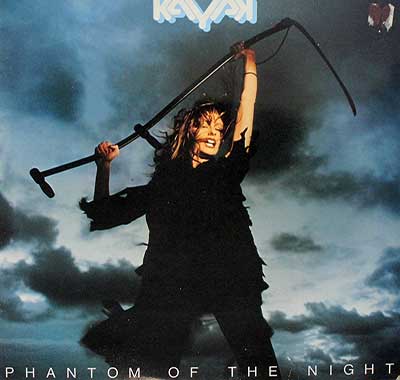
Late-70s shift: Kayak leaned more accessible while keeping progressive DNA. The 1978 album “Phantom of the Night” sits right in that crossover zone, and “Ruthless Queen” became their biggest hit in the Netherlands in 1979.
Breakup and revival: the band disbanded in 1982, then returned in 1999 and continued recording and touring in the 21st century with evolving line-ups.