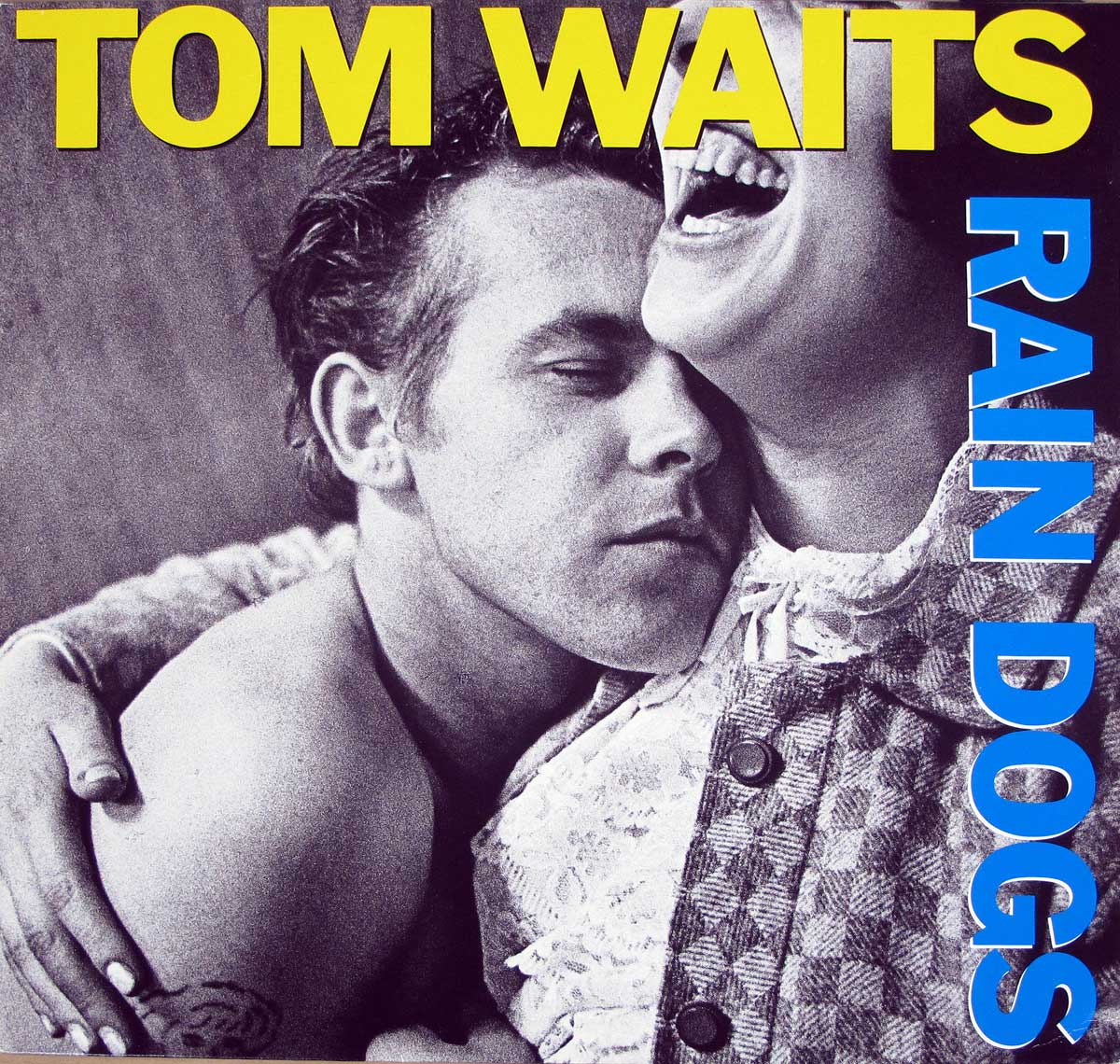
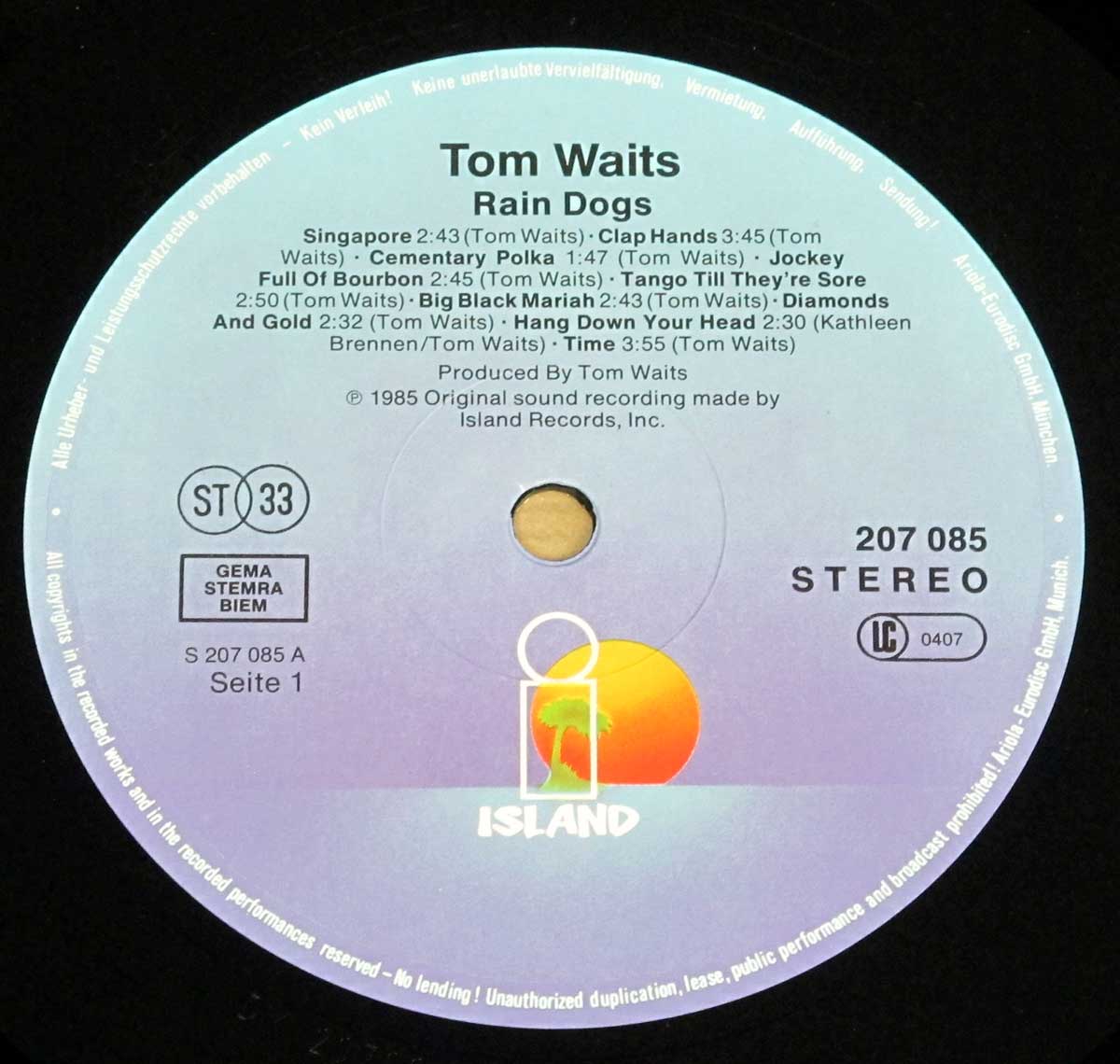
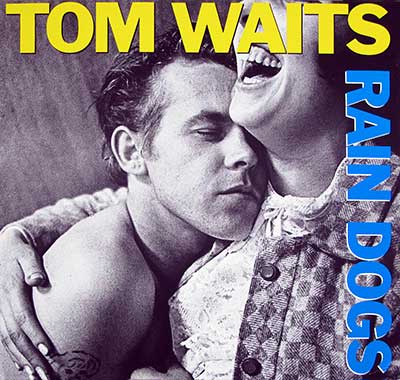
"Rain Dogs" (1985) Album Description:
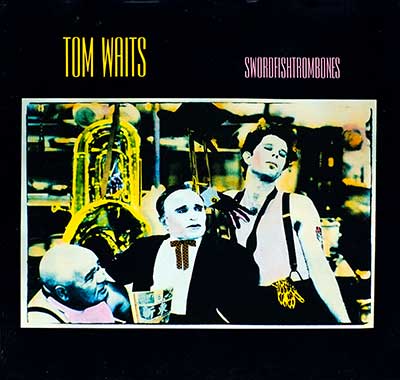
"Rain Dogs" is Tom Waits at the exact moment he stops being “a singer with a band” and turns into a whole damaged little city with legs. This is the middle chapter of the trilogy between "Swordfishtrombones" and "Franks Wild Years", and it sounds like the streets after midnight: wet pavement, cheap neon, and people with stories they only tell when the bar is closing.
1. Introduction: the band, the album, the moment
Tom Waits isn’t a band so much as a one-man casting call, and "Rain Dogs" is where he directs the chaos with purpose. The page calls it a loose concept album about the “urban dispossessed” of New York City, and that’s exactly the vibe: characters drifting, hustling, and laughing through busted teeth.
This is also the kind of record that makes you forget what “genre” even means, even if it’s filed here under Jazz. It’s not polite jazz-club mood lighting; it’s jazz with grime under the fingernails.
2. Historical and cultural context
1985 is peak mid-80s contrast: shiny pop on TV, gated drums everywhere, and a music industry that loved clean edges and predictable hooks. "Rain Dogs" reacts by sounding intentionally unpredictable, like it’s allergic to being sanded down for radio.
The New York angle matters too, because the record lives in that urban pressure-cooker feeling: crowded, noisy, and full of people who don’t fit the brochure version of the city. It doesn’t romanticize it; it documents it, then laughs at it, then orders another drink.
3. How this album got made
The production story here is simple and telling: Tom Waits produced it himself, which explains why it feels like a private world with its own rules. When an artist is steering the ship, you can hear the confidence in the weird choices, because nobody’s tapping the sign that says “Please act normal.”
The page notes recording at RCA Studios (September 1985), and that studio setting makes the contrast funnier: a controlled room used to capture music that keeps trying to escape the walls. Guest appearances by Keith Richards and Marc Ribot add extra character, like two familiar faces wandering into a strange film and somehow making it stranger.
4. The sound, songs, and musical direction
"Rain Dogs" works because it’s a collage that still feels human: crooked rhythms, odd textures, and melodies that show up wearing the wrong coat on purpose. Rolling Stone’s description on the page nails the blend: Kurt Weill, old dirty blues integrity, and the melancholy of New Orleans funeral brass, all jammed into one idiosyncratic style.
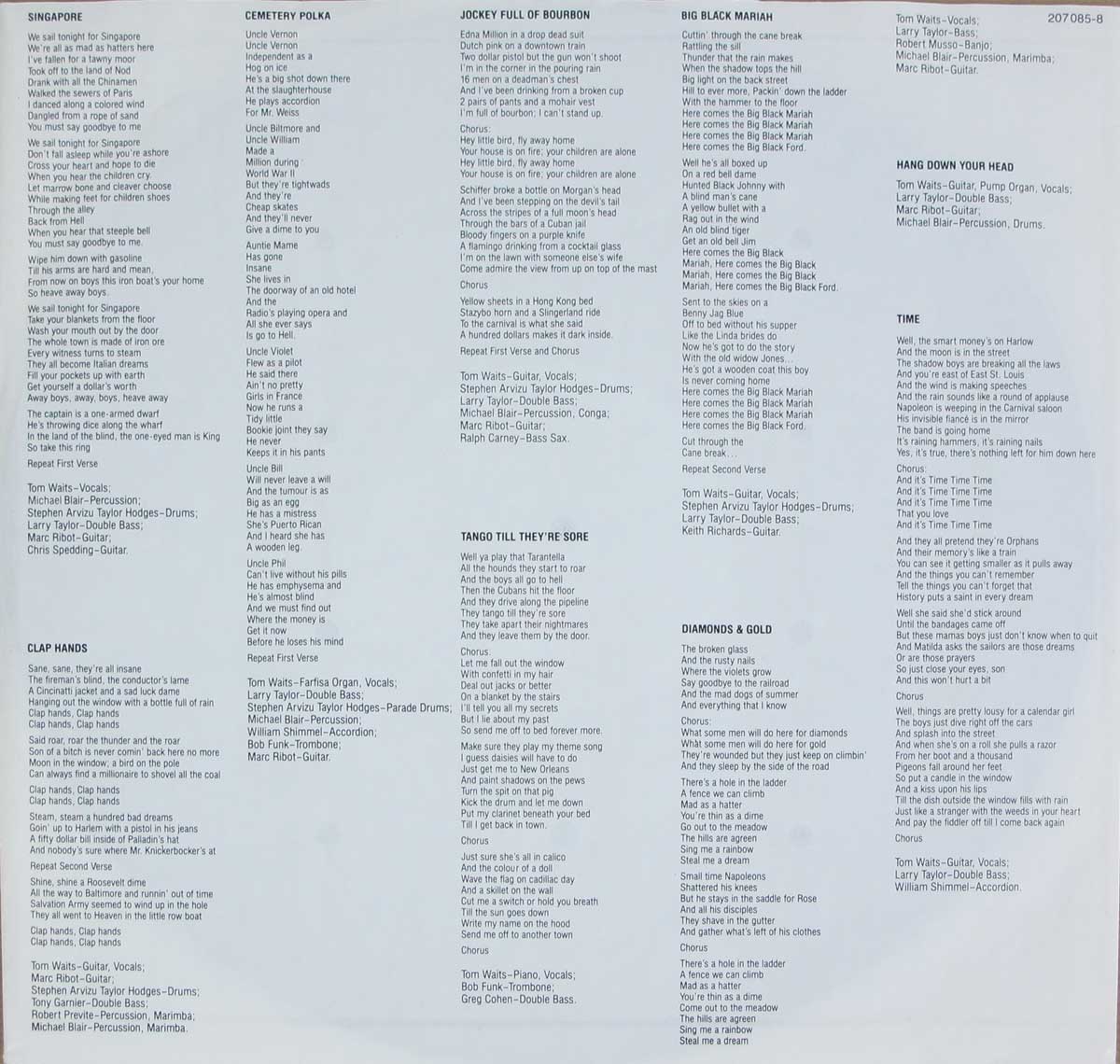
Songs like "Singapore" and "Clap Hands" set the tone fast: this is travel music, but for alleys, docks, and back rooms. "Jockey Full of Bourbon" struts through with that sideways swagger, while "Downtown Train" proves he can still land a song that feels direct without losing the grit.
Even the instrumentals and spoken-world corners matter because they glue the record together as a place, not a playlist. It’s the audio equivalent of turning over a sleeve and finding little stains and fingerprints that tell you it’s been lived with.
5. Comparison to other albums in the same year and lane
In a year where plenty of records chased polish, "Rain Dogs" doubles down on atmosphere and character. It feels closer to the “make it weird, make it real” spirit than the mainstream mid-80s assembly line.
The key difference is attitude: other albums want you to admire the finish; this one wants you to walk inside it. Waits brings humor, darkness, and experimentation in the same breath, without asking permission or checking whether it’s “commercially sensible.”
6. Controversies or public reactions
The real “controversy” here isn’t a tabloid scandal; it’s the simple fact that this album refuses to sit still. Some listeners hear reinvention and genius; others hear a guy deliberately throwing sand in the gears just to see what breaks.
7. Band dynamics and creative tensions
The tension on "Rain Dogs" isn’t band infighting; it’s the push-and-pull between structure and chaos. You can feel the discipline underneath the mess, because the sequencing and mood control are too deliberate to be accidental.
Bringing in players like Richards and Ribot adds a nice friction: recognizable musical personality drops into Waits’ world, then gets bent to match the album’s crooked geometry. That’s not “guest star” energy; that’s “supporting character in a strange neighborhood” energy.
8. Critical reception and legacy
The page frames "Rain Dogs" as a centerpiece record and highlights how broadly it pulls from different styles, and that’s exactly why it lasts. It’s the kind of album people return to when they’re tired of clean genre boxes and want something with fingerprints on it.
Decades later it still plays like a reference point for artists who want permission to be odd, theatrical, and emotionally specific without turning it into a museum piece. It’s not nostalgia bait; it’s a working blueprint for controlled musical misbehavior.
9. Reflective closing
Pulling "Rain Dogs" off the shelf always feels like opening a door to a world that shouldn’t exist, but somehow does. The cover photography credit on this page goes to Robert Frank, which fits: the whole package feels like art that’s seen too much and refuses to act impressed.
Decades later, the grooves still smell faintly of cigarette smoke, beer, wet pavement, and misplaced optimism—and that’s the nicest thing I can say about a record that thrives on beautiful discomfort.