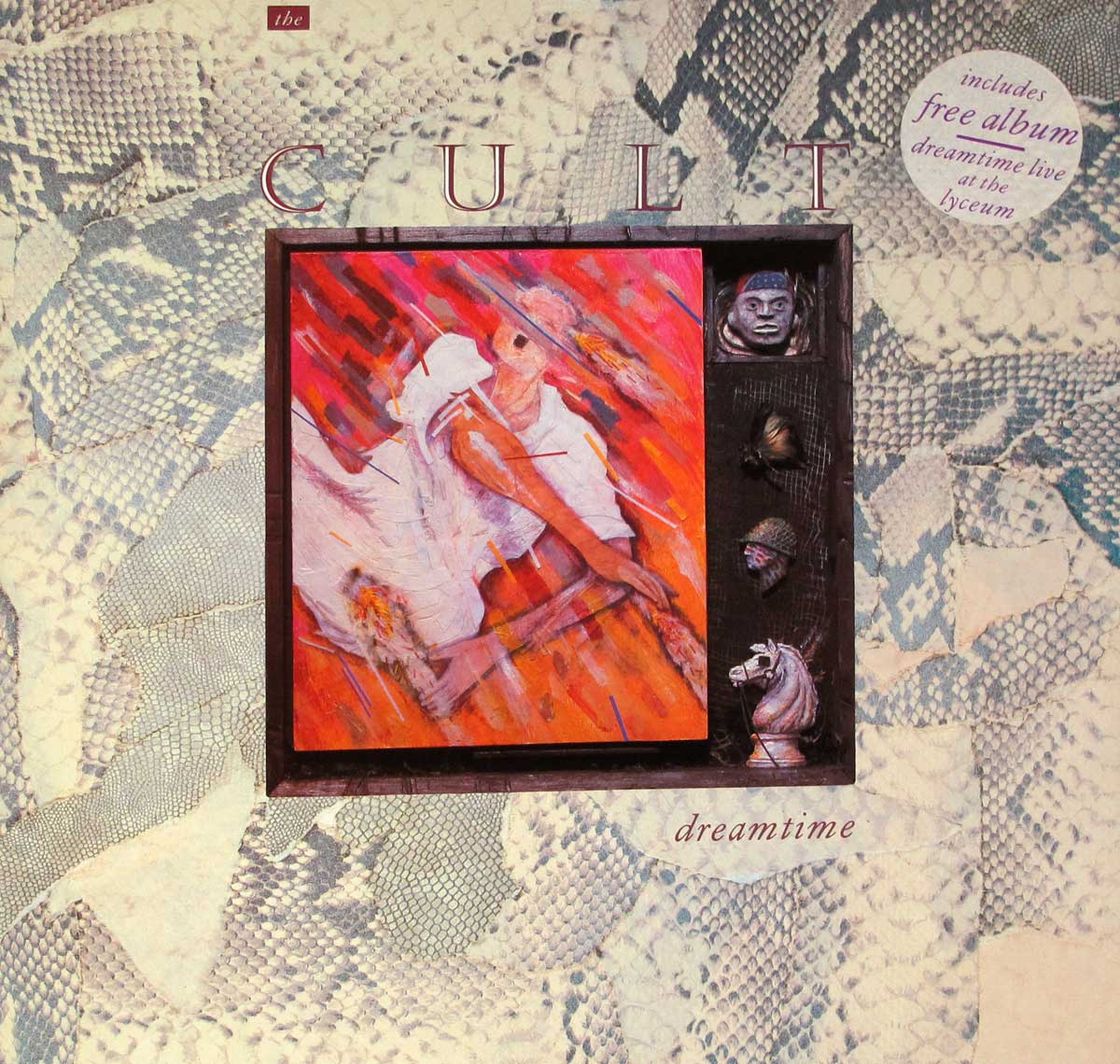
"Dreamtime" (1984) Album Description:
By late summer 1984, The Cult were no longer hiding behind the Death Cult name, and "Dreamtime" catches them right at that hinge point: still carrying the soot, ritual thump, and post-punk tension of the earlier phase, but already leaning into something broader, tougher, and more physical. It is a debut album, yes, but not a timid one. Ian Astbury sounds like he is trying to summon weather, Billy Duffy is already carving those big, ringing guitar shapes, and the whole thing moves with the kind of conviction that makes a lot of supposedly grander debuts look like rehearsal tapes in good trousers.
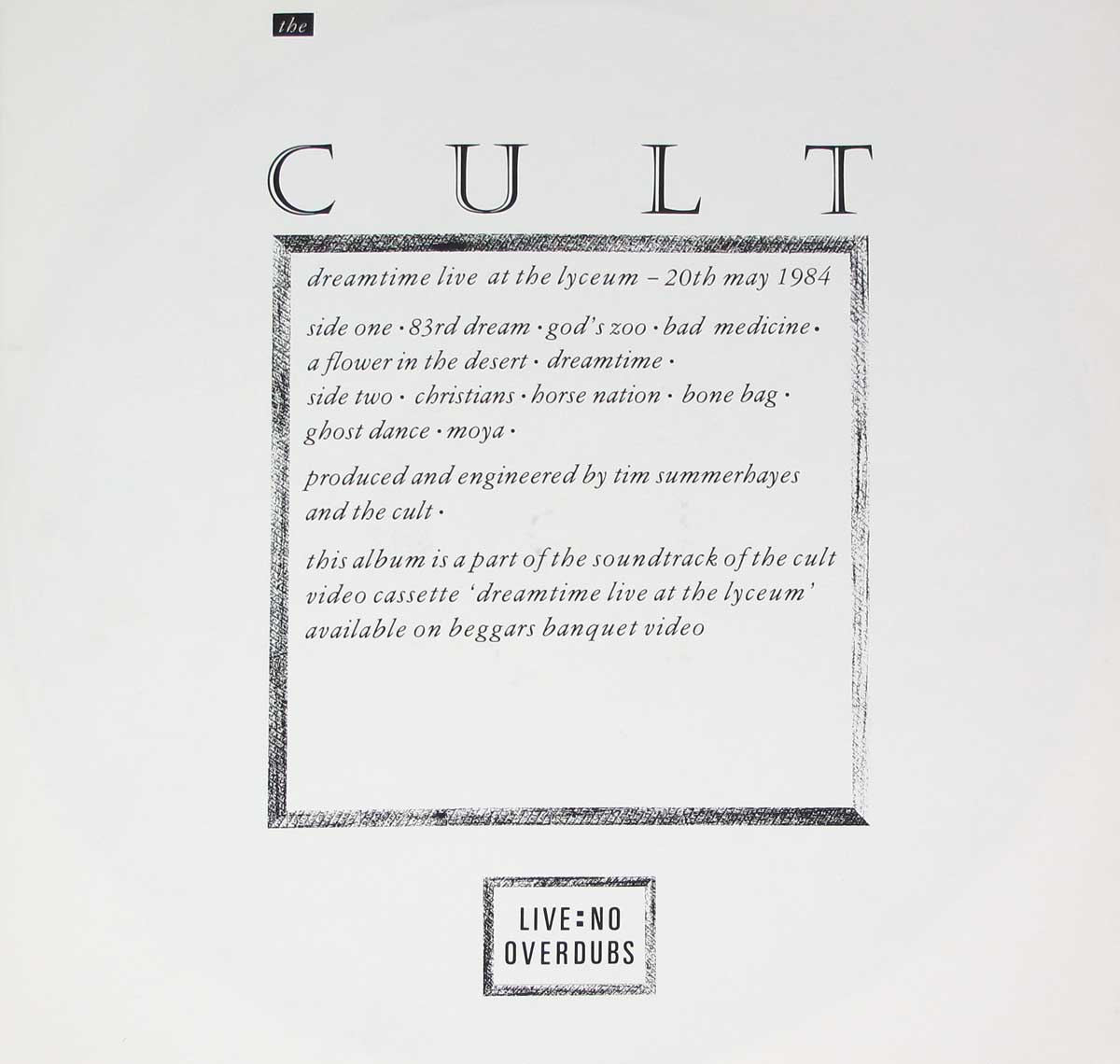
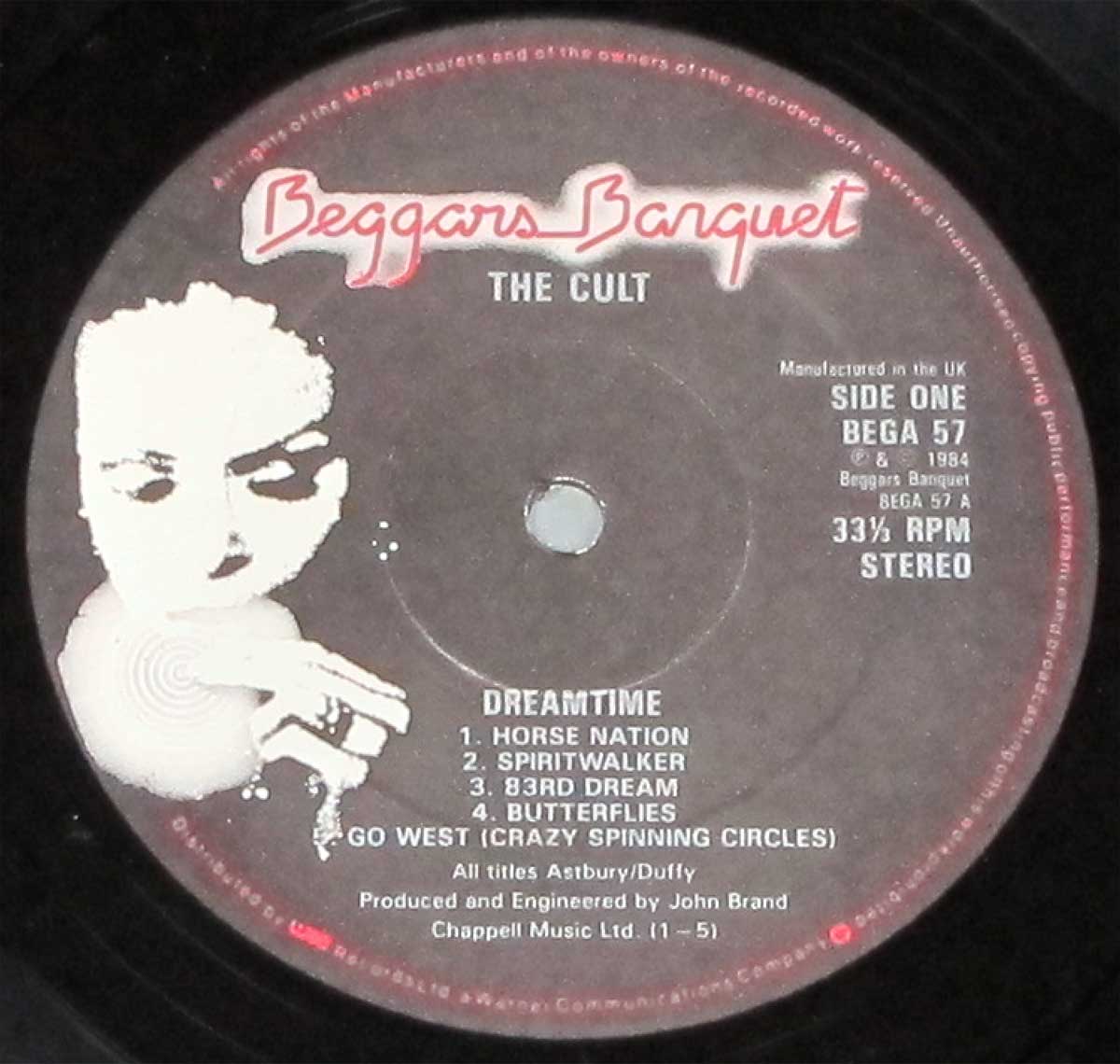
The real fun starts when you stop treating this as just another ten-song New Wave-era LP and start handling it like an object. Early UK copies are tangled up with bonus-disc mythology, Beggars label codes, custom inner sleeves, and one of those release wrinkles that can turn a casual browser into the annoying person squinting at dead wax under a lamp. Open the rest and the story gets better, because "Dreamtime" was never as tidy as lazy discographies make it look.
Britain in 1984 was no longer one neat underground tribe. Post-punk had already split into camps: some bands were going glacial and severe, some were polishing themselves for wider rooms, and some were disappearing into their own hairspray and theory. The Cult took a different road. They kept the atmosphere, the dark edges, and the ceremonial mood, but pushed more air, more dust, and more muscle into the attack, which is why this record sits so nicely between the last shiver of goth and the first hard shove toward something bigger.
Put it beside records by The Sisters of Mercy, Echo & the Bunnymen, Killing Joke, or The Chameleons and the difference comes at you fast. Where The Sisters built cold stone corridors, The Cult wanted open ground and bonfire sparks; where Echo shimmered, Astbury and Duffy preferred a rougher ritual pulse; where Killing Joke pressed on the city like a boot heel, The Cult kept one foot in the club and the other in some half-mythic desert of the mind. It is Post-Punk by temperament, New Wave by ancestry, and already too earthy to stay obedient to either label for long.
Musically, "Dreamtime" works because it never hurries the drama. The drums drag and pound with that tom-heavy tribal feel that was all over the better end of the scene, but here they do not sound decorative; they sound structural. Jamie Stewart’s bass keeps the floor level while Duffy slices across it in broad, chiming slashes rather than showing off for the mirror. "Spiritwalker" glides and stalks at the same time, "Horse Nation" has more bite than polish, and the title track drifts inward with a strange tension, like a band reaching for something half-read, half-felt, and probably misunderstood. Which, frankly, was part of the charm.
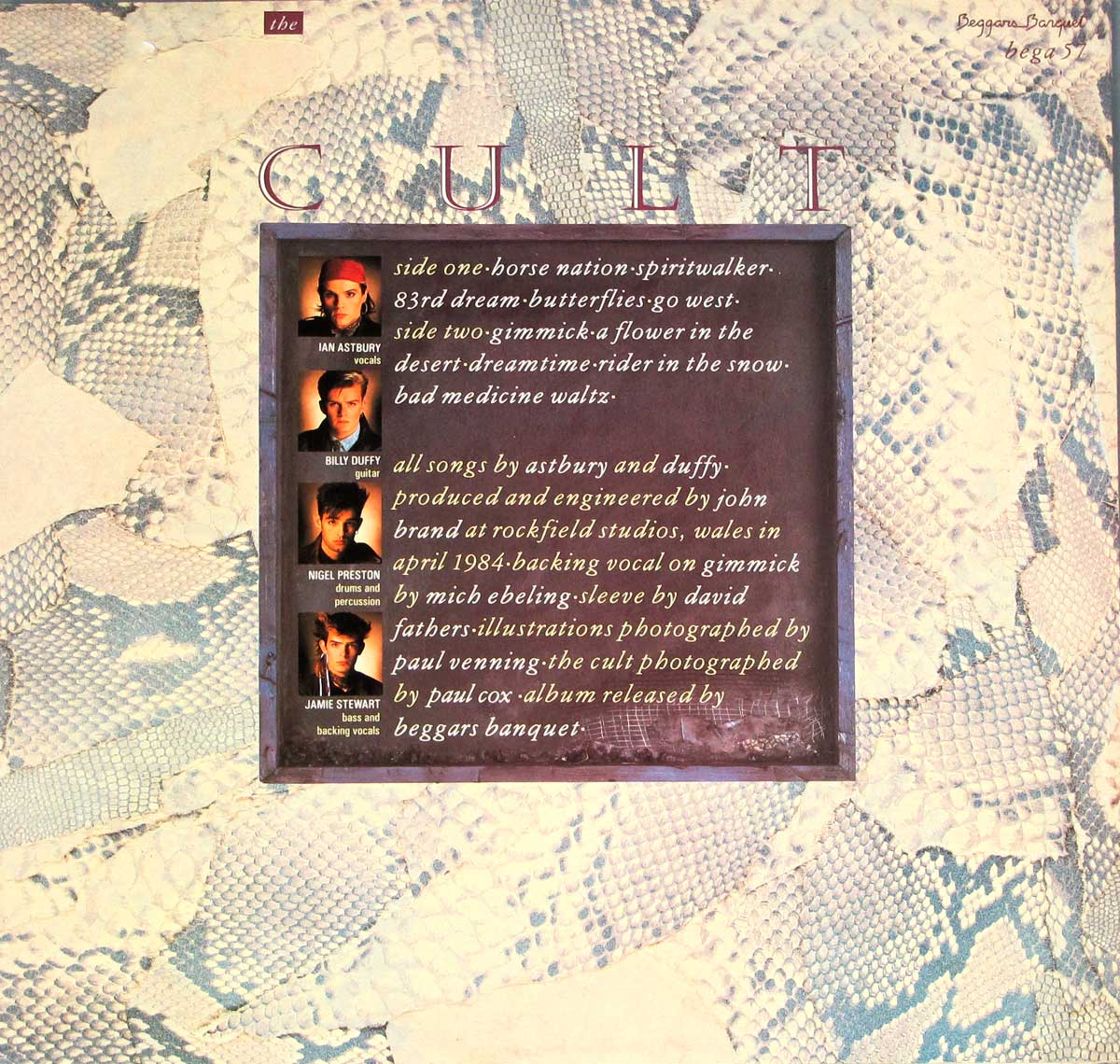
John Brand deserves real credit here because he does not scrub the life out of the room. Recorded at Rockfield Studios in Wales in April 1984 and mixed at Eel Pie shortly after, the album keeps enough scrape on the surfaces to feel played rather than assembled. Astbury supplies the mystic rhetoric, the hard stare, and the sense that every lyric is trying to open a side door in the wall; Duffy gives the record its spine and its reach. Stewart stops it floating away into incense fog, while Nigel Preston’s drumming gives it twitch, swing, and a bit of danger. There is a practical difference between atmosphere and mush. This record knows it.
The line-up itself was still new enough to feel unstable in the right way. Astbury had come out of Southern Death Cult and then Death Cult, dragging that whole shamanic, tribal, anti-dullness posture with him. Duffy brought both street instinct and the sharper edge of his earlier work, and by the time the band trimmed the name down to The Cult in early 1984 they were not abandoning the dark past so much as shedding a label that might have boxed them in. Smart move. Bands get trapped by names all the time, usually just before somebody tells them they are being "true to themselves."
There was no grand scandal around "Dreamtime", despite the sort of internet waffle that likes to invent one after the fact. The more common misconceptions are collector-made. One is calling this a straight 2LP studio album when the core record is the ten-track studio set and the extra disc in early UK circulation was the bonus "Dreamtime Live at the Lyceum" companion. Another is pretending this was some polished corporate major-label launch. It was not. That misunderstanding misses the whole Beggars Banquet context and flattens the record into something much duller than it really was.
There is also the matter of what the songs were reaching for. The title, the imagery, and tracks such as "Horse Nation" and "A Flower in the Desert" have long encouraged overheated commentary about mysticism, indigenous references, and borrowed symbolism. Some of that criticism today is fair enough to think about, but the album did not arrive as a tabloid outrage piece. What it actually felt like in the mid-80s was a young British band raiding myth, history, and spiritual imagery in search of escape velocity, sometimes elegantly, sometimes clumsily, and never quite innocently. Rock bands were very good at appetite. Subtlety, less so.
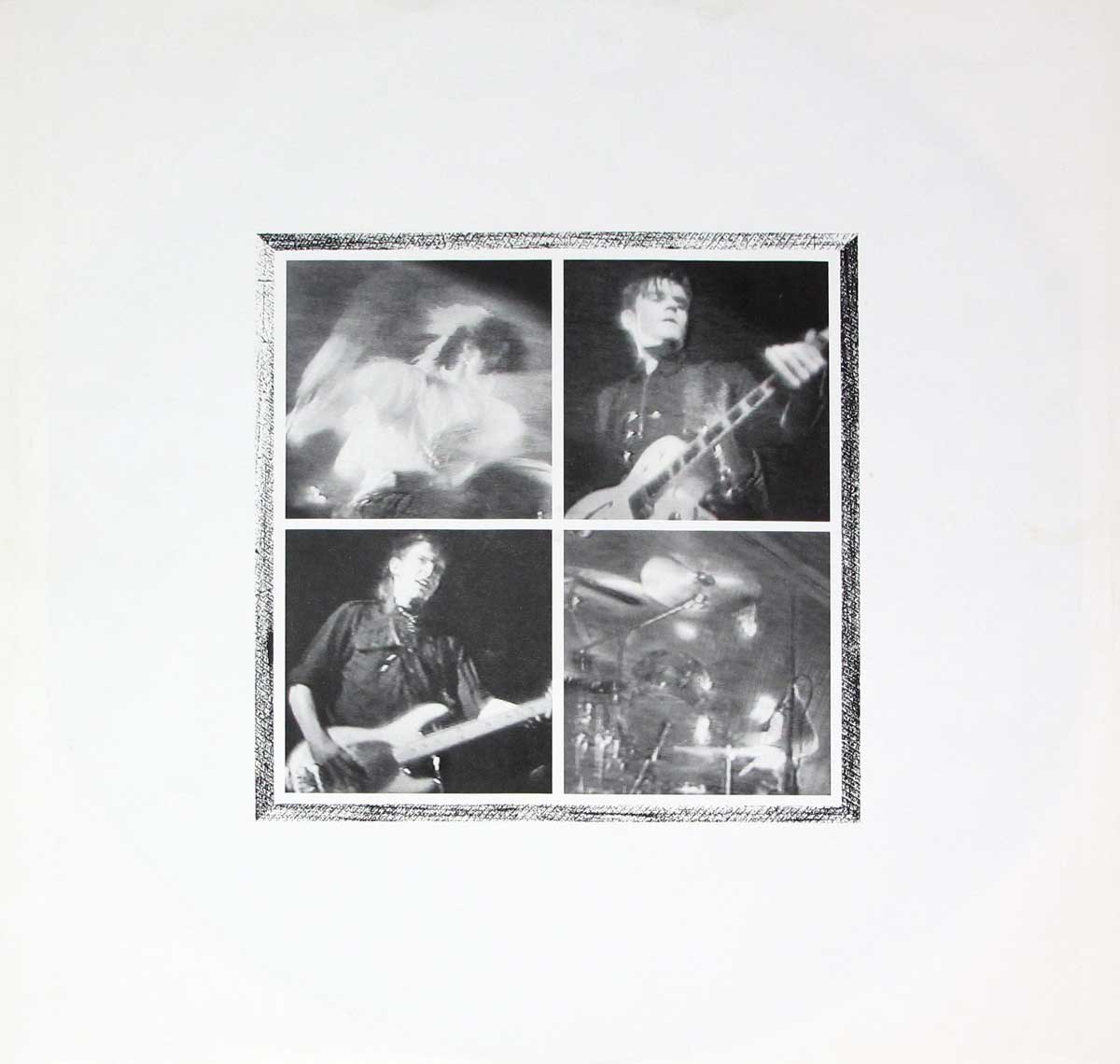
I have always liked records like this more in the hand than in the abstract. The custom inner sleeve with lyrics and photos, the Beggars label, the stiff UK packaging, the sleeve photography credited to Paul Venning and Paul Cox, the sense that the whole thing belongs in a dim shop rack between better-known titles and worse records. Pull it out late at night and it makes more sense than most neat summaries ever will.
That is really why this page is worth the visit. Not because every Cult record automatically deserves a shrine, and not because "Dreamtime" needs rescuing from history. It does not. This one matters because it catches the band at the exact moment when Post-Punk tension, New Wave atmosphere, tribal rhythm, and a hunger for something larger were grinding against each other in full view. The clues are in the grooves, the sleeve, the label, and the release wrinkles. That sort of mess is where collector interest starts.
References
- Vinyl Records Gallery page with high-resolution cover, sleeve, and label photos
- Official Charts entry for "Dreamtime"
- TheCultCollection discography notes on UK pressings and "Live at the Lyceum"
- Beggars Banquet archive note on the Death Cult to The Cult transition
- Discogs master entry for the early "Dreamtime / Dreamtime Live at the Lyceum" configuration