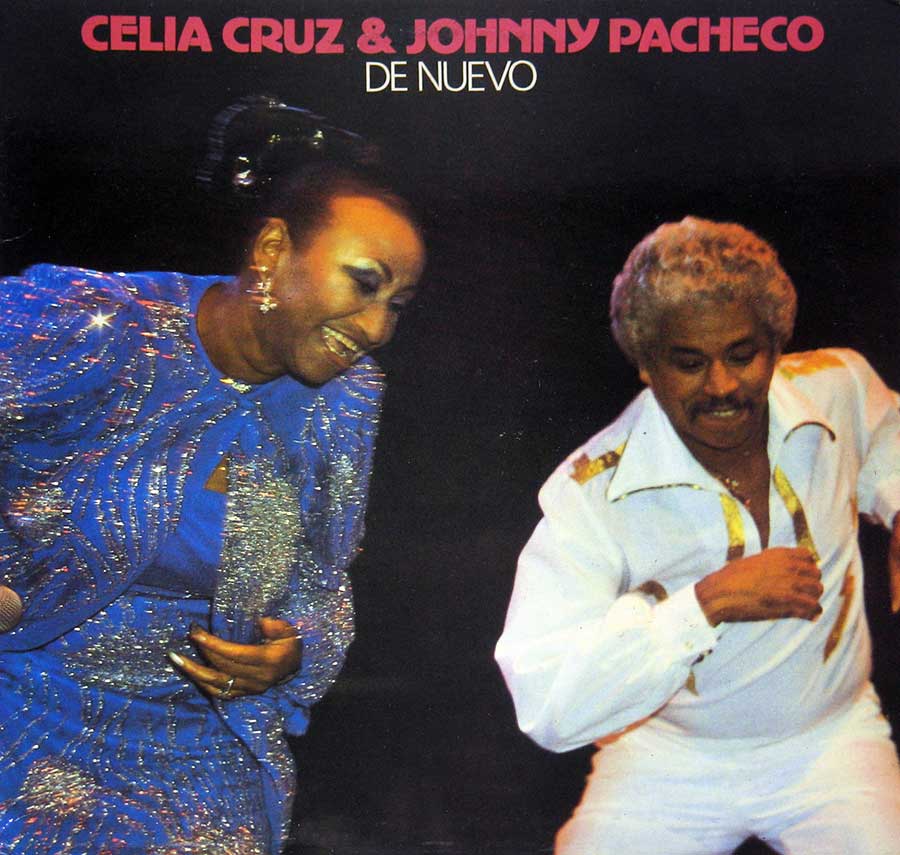
"De Nuevo" Album Description:
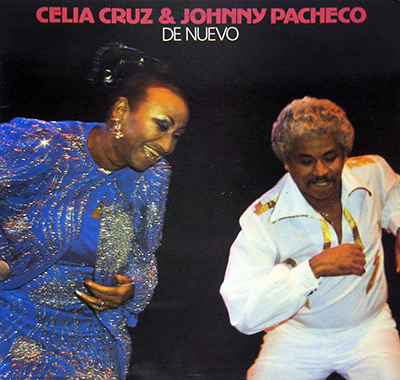
I’ve got "De Nuevo" filed in my head under mid-80s salsa that still sweats. Not the polite, airbrushed kind. The sleeve looks innocent enough, then Celia opens her mouth and the room changes shape. That voice doesn’t “perform”. It takes over. ¡Azúcar!
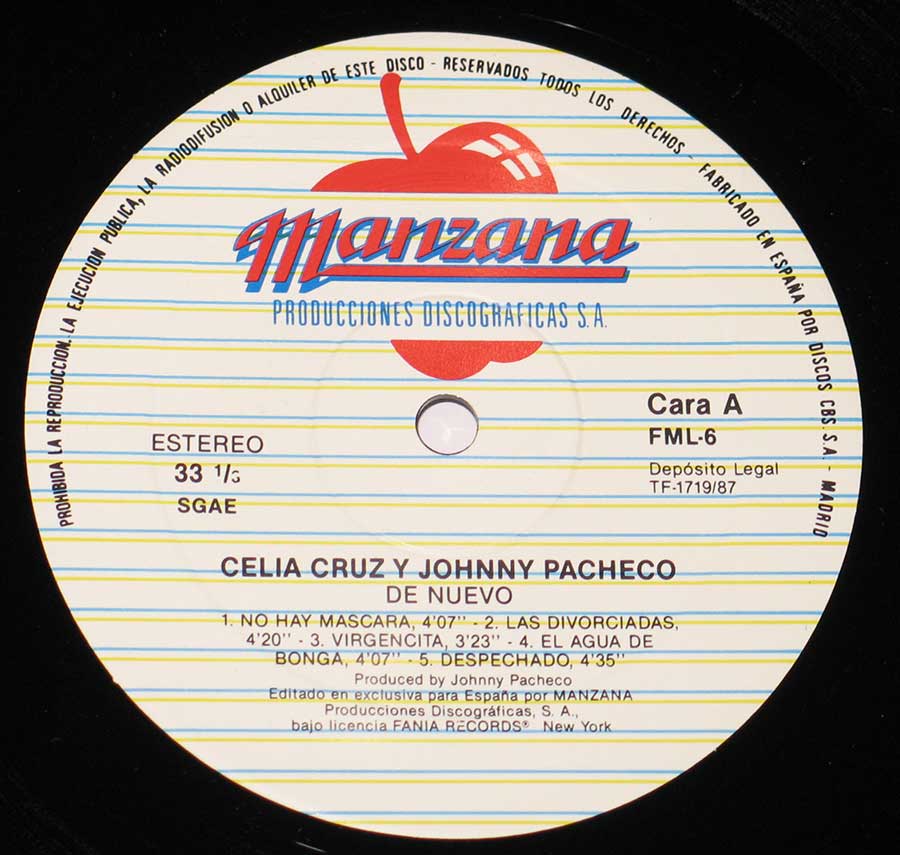
The funny part: people keep repeating that it was “recorded in Spain”. No. My copy might be the Spanish issue, sure, but the tape was cut at La Tierra Sound Studios in New York City (yes, that La Tierra — the midtown Broadway one). You can almost smell the building: elevators, old carpet, coffee that’s been sitting too long. Perfect.
The moment in time:
By 1985, salsa didn’t need introductions. It needed nerve. And chemistry. Cruz and Pacheco already had history together, and you can hear it here: the way the grooves don’t ask permission, they just step forward and start moving furniture. This isn’t “experimentation” in a lab coat. This is musicians who know exactly what the dance floor demands, and they deliver it with a grin.
Production (and the people who ran the room):
Johnny Pacheco is the driver here. He’s credited as producer, and it feels like he’s steering with one hand and throwing cues with the other. Jerry Masucci shows up as executive producer — the kind of credit that says: the machine is funded, the wheels are turning, and nobody’s wasting tape.
The sound of the place:
La Tierra had a reputation because it was where things actually happened. Not “pristine”. Not “audiophile demo”. More like: high ceilings, hard angles, and musicians playing close enough to argue without raising their voices. The result is a sound that feels present — like the band is in your living room and they’re not taking requests.
Liner notes (the human fingerprints):
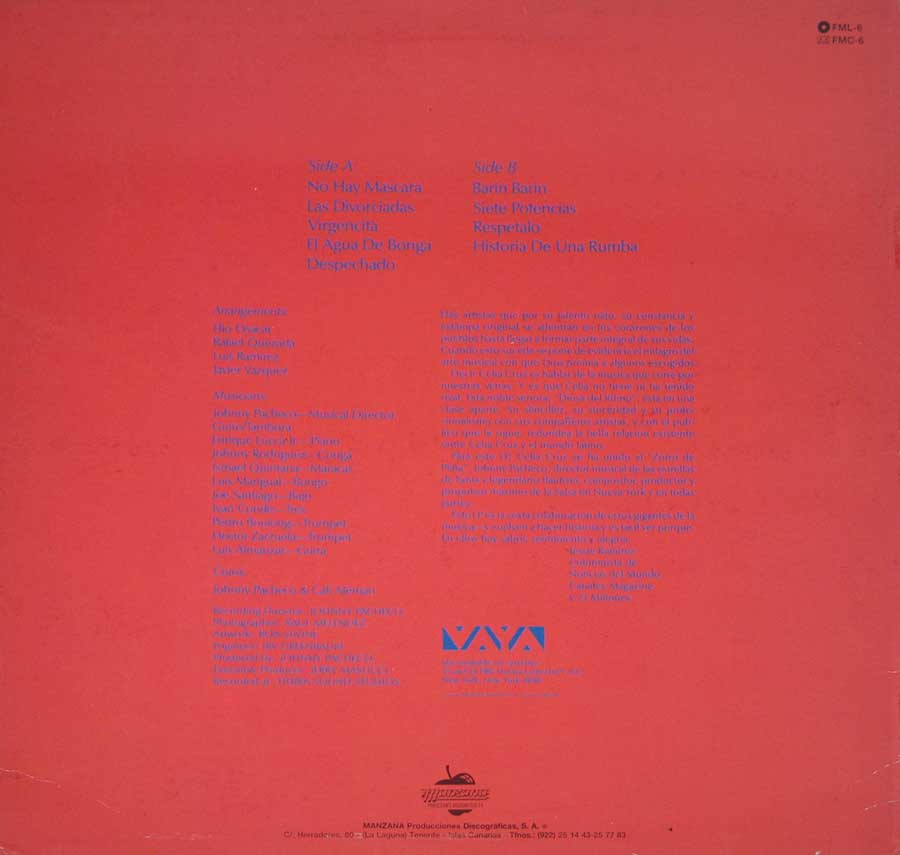
The liner notes are credited to Jessie Ramírez, and the name-check of Noticias del Mundo is the best little detail. It reads like someone who actually had an opinion and a deadline. Shocking concept, I know. That small slice of real-world context matters more than five paragraphs of “musical landscape”.
Musicians (the parts you can feel):
The credits tell you some specifics, and they line up with what you hear: Enrique Lucca Jr. on piano, and Pacheco himself turning up in the rhythm section (tambora / güiro / coro credits appear on at least one release). The percussion doesn’t “support” Celia — it pushes her, and she pushes back harder. That’s the whole point.
I don’t play "De Nuevo" to study it. I play it when the day needs a hard reset: windows cracked open, volume a little irresponsible, and suddenly the room’s got hips again. If that annoys the neighbors, they can file a complaint with the conga.
References / Citations
- Vinyl Records Gallery (hi-res album cover photos)
- FIU Diaz-Ayala Latin Pop Collection (JMVS 106; recording place New York; recording year 1985)
- New York Public Library catalog entry (program notes by Jessie Ramirez)
- Mix Magazine directory (La Tierra Sound Studios listing at 1440 Broadway, NYC)
- Cuba on Record (context on La Tierra Sound Studios in midtown Manhattan)