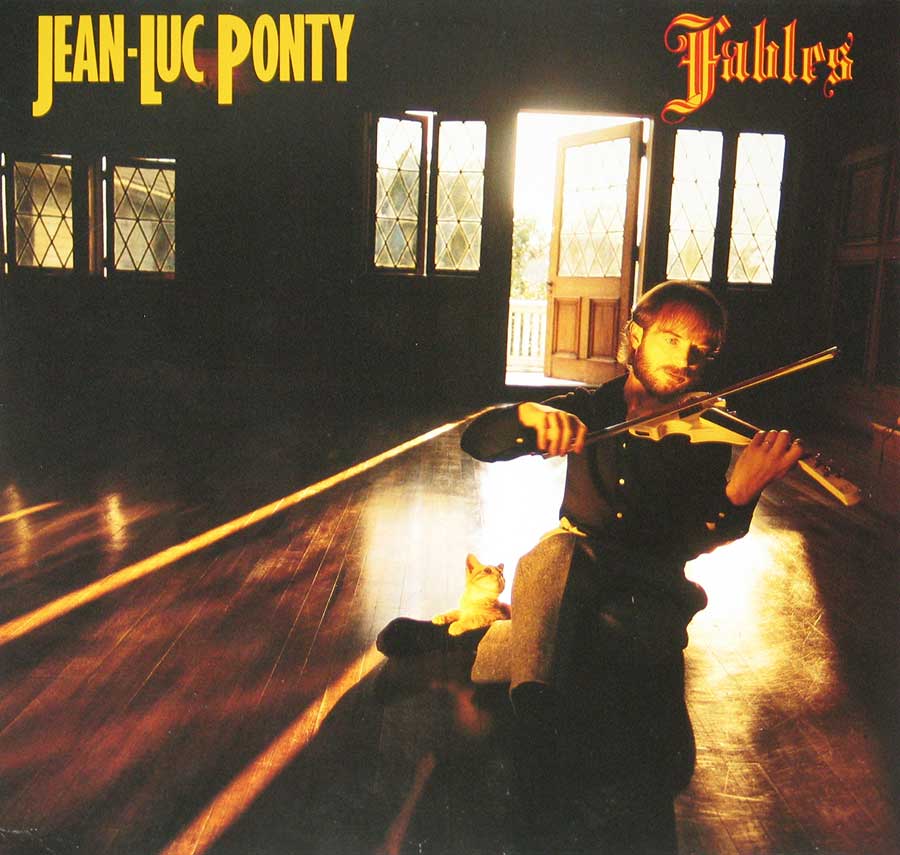
Jean-Luc Ponty's "Fables": A Fusion Fable in the Midst of the 80s
Album Description:
I remember 1985 as the year everything got shinier, louder, and a little more impatient. Then "Fables" lands (released 23 September 1985), and Ponty doesn’t fight the decade so much as bend it into his own shape. The electric violin still cuts like a wire, but now it’s surrounded by sequenced muscle and bright synth air. Not subtle. Also not dumb.
Musical Exploration
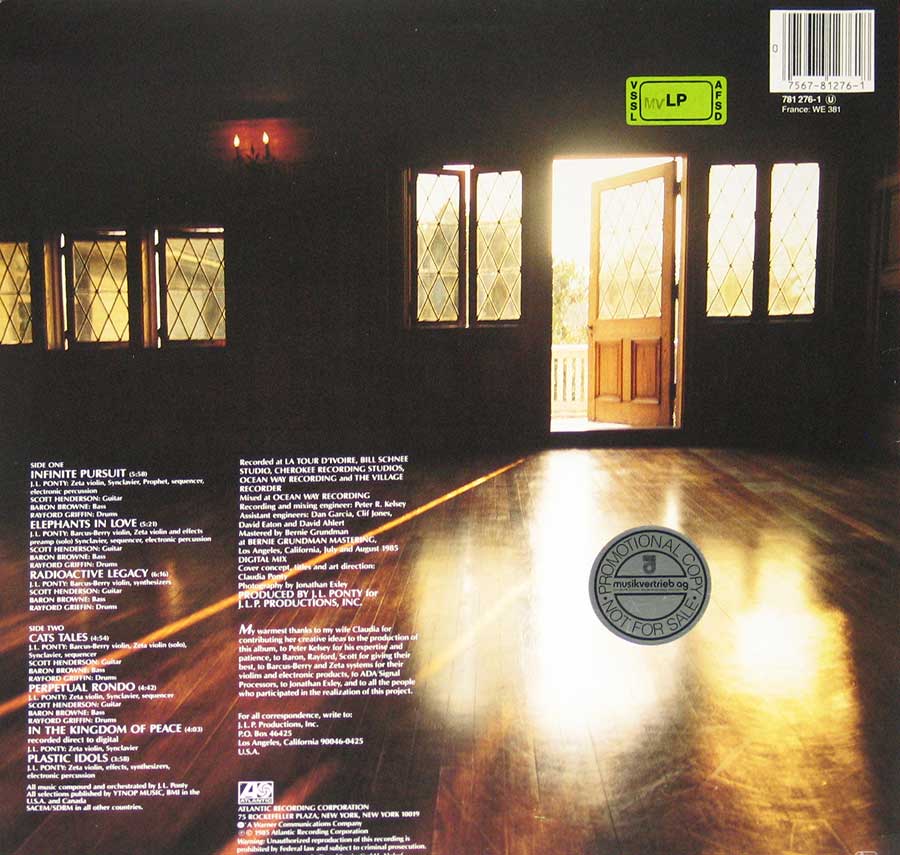
This is Ponty choosing the streamlined road on purpose. The grooves lock in and keep walking, like they’ve got somewhere to be. Scott Henderson rides guitar across the first five tracks, with Baron Browne and Rayford Griffin pushing the same tight pulse. Ponty stacks Zeta/Barcus-Berry electric violins over Prophet-5 and Synclavier colors, and even drops vocals into the mix. It’s fusion, but dressed for neon.
Genre Fusion
The “pop-fusion” question hangs over the album like cigarette smoke in a control room: is it selling out, or just using new tools? I lean toward the second. The melodies are more direct than his late-70s labyrinths, sure, but the phrasing still has that Ponty habit of swerving at the last second. The hooks don’t apologize, and neither does the electronics. Good. Purists can clutch their pearls elsewhere.
Production and Recording
The credits read like a small tour of Los Angeles studios in July–August 1985: La Tour d'Ivoire, Bill Schnee Studios, Cherokee, Ocean Way, The Village Recorder. Ponty produces it himself, and you can hear that control-freak focus in the way the parts interlock. Engineers like David Ahlert, David Eaton, Dan Garcia, Cliff Jones, and Peter R. Kelsey keep the surfaces clean without sanding off the bite. And yes, mastering by Bernie Grundman: that last polish that makes the top end behave.
Context and Pushback
The mid-80s rewarded clarity and punished meandering, so Ponty makes a record that moves. Some critics wanted the older “deep-water” experiments, and I get it. But "Fables" isn’t him surrendering; it’s him steering. If anything, it’s the sound of a virtuoso deciding that precision can be its own kind of attitude.