Hubert-Félix Thiéfaine/Mairet's "Alambic / Sortie-Sud": the kind of record that keeps the lights low
Album Description:
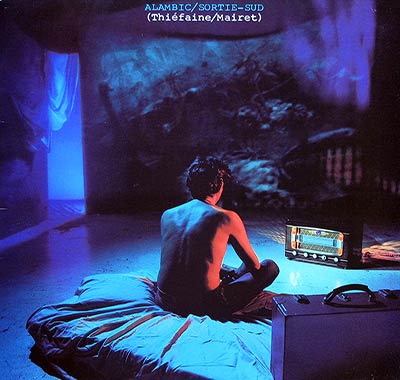
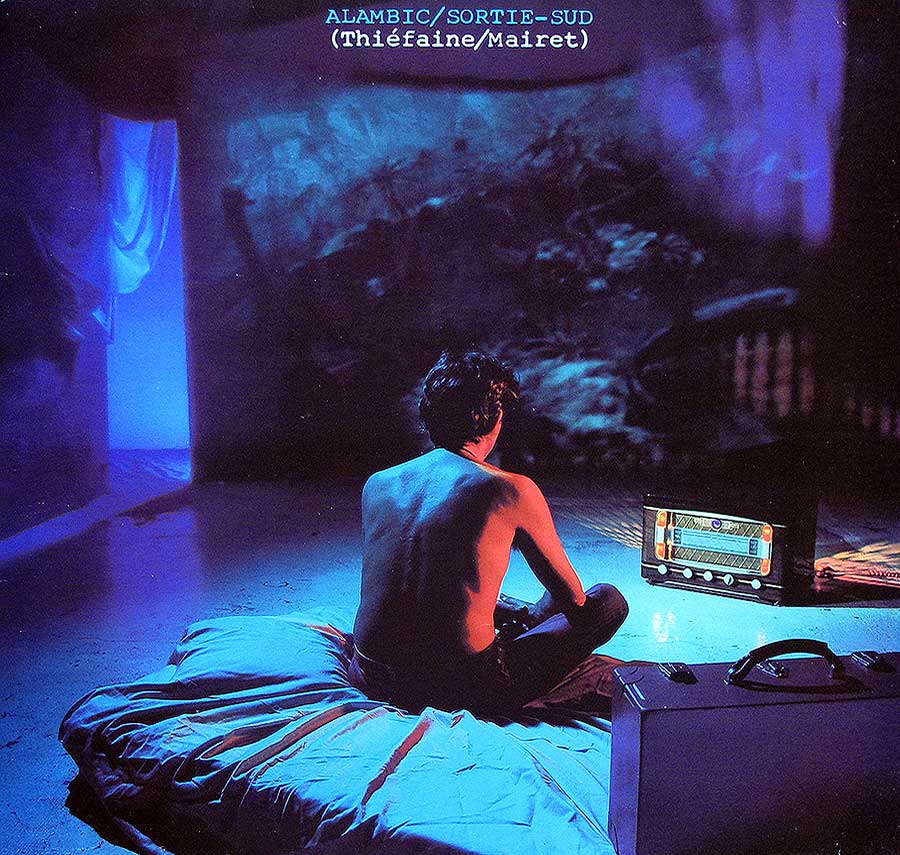
I never file Hubert-Félix Thiéfaine neatly. If you try, he wriggles out like smoke under a door. "Alambic / Sortie-Sud" (released November 1984) doesn’t stroll in and introduce itself either. It arrives already half-lit, already mid-thought, like you walked into a room where someone was arguing with their own shadow and the tape machine was still rolling.
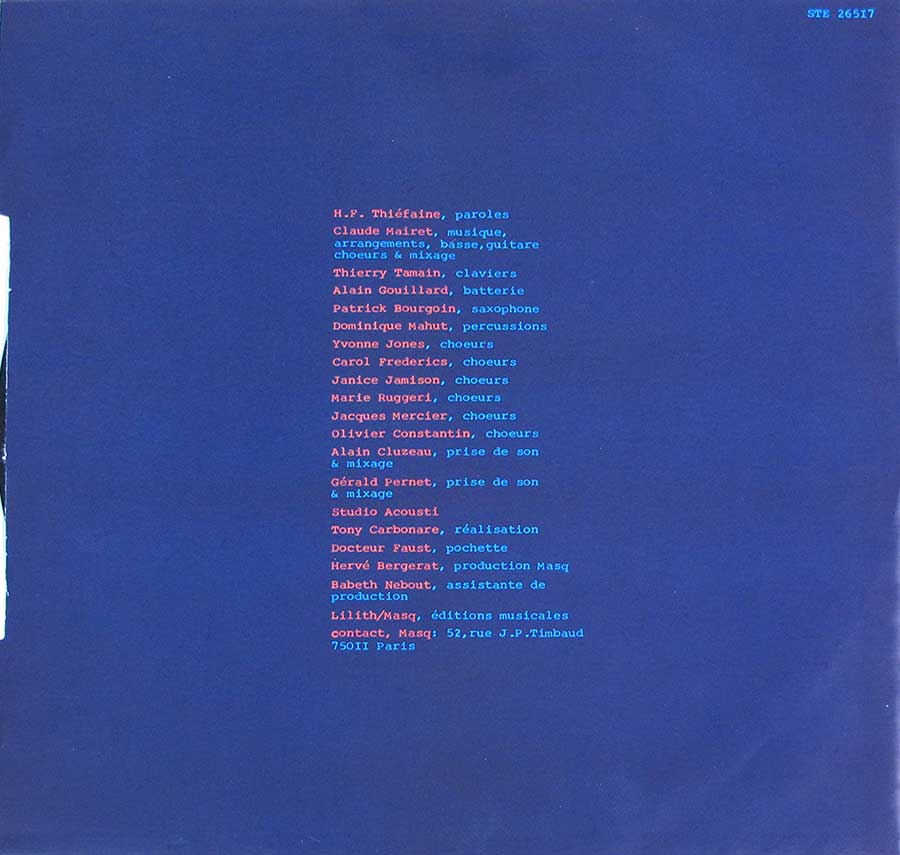
This is the Thiéfaine album that’s routinely credited as "Thiéfaine/Mairet" for a reason: Thiéfaine holds the words, Claude Mairet carries the music. You can feel that division of labor in your bones. The lyrics don’t “express themes” (please). They jab, they mutter, they grin without showing teeth. The music doesn’t “support” them. It drags them across the floor by the collar and dares them to keep up.
It was recorded in 1984 at Studio Acousti in Paris, with Hervé Bergerat producing. You can hear the studio in the negative space: the way the sound sits close, not glossy; the way instruments don’t sparkle so much as loom. Some records sound expensive. This one sounds intentional. Different thing.
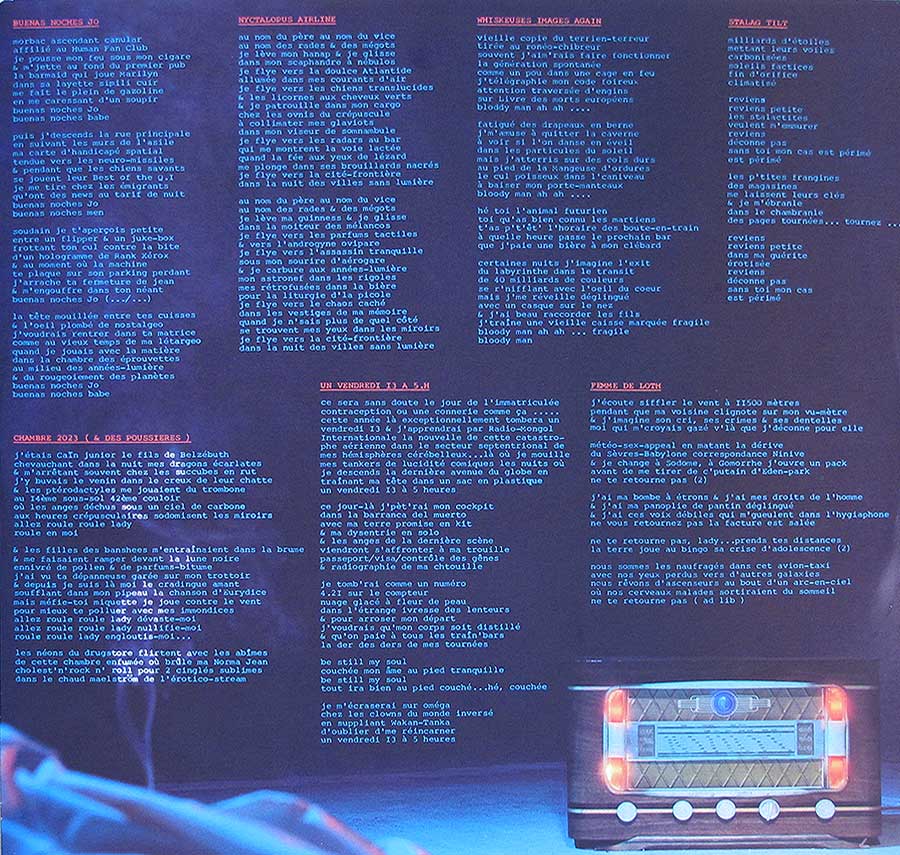
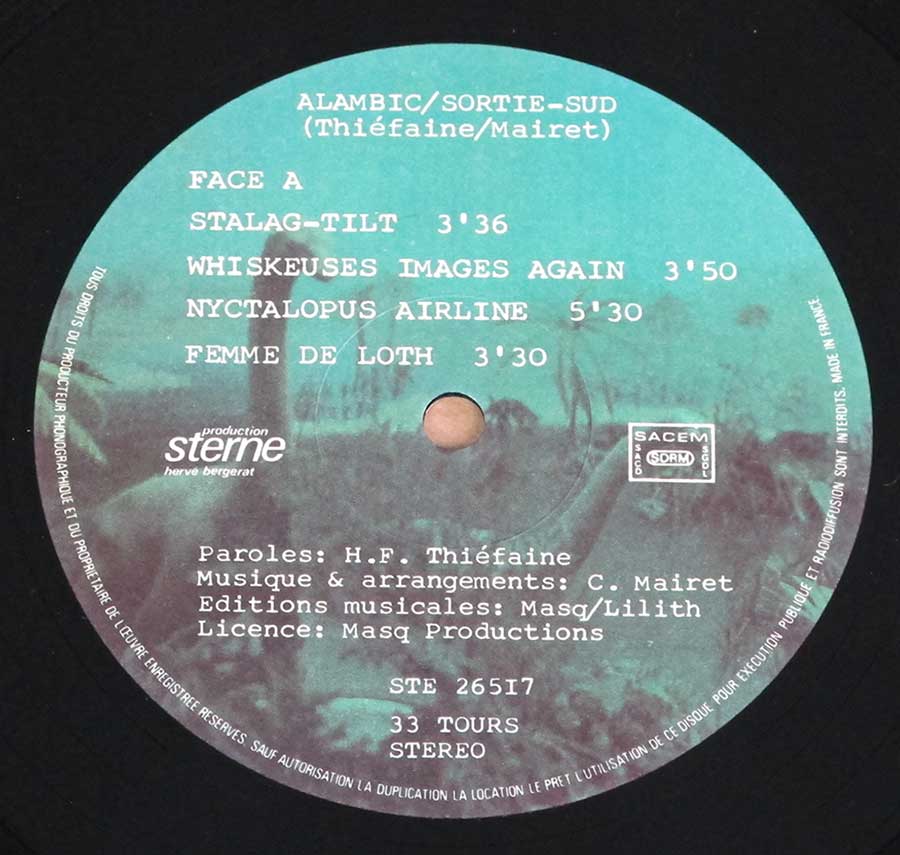
Put on "Stalag Tilt" and listen to how quickly it sets the temperature. Not “haunting,” not “atmospheric.” More like that moment you realize the street is empty and your footsteps are suddenly too loud. Thiéfaine’s voice isn’t trying to be pretty. It’s trying to be true. Gravelly, yes. Also weirdly intimate, like he’s leaning in to tell you something he probably shouldn’t.
The early ’80s in France were full of political talk and economic nerves under Mitterrand, sure — but I’m not going to pretend this record is a tidy commentary with a thesis statement. It’s more slippery than that. It feels like a person trying to stay upright while the room tilts. If you want slogans, go buy a poster.
"Nyctalopus Airline" is one of those tracks that makes you stop doing whatever you were doing. Guitars and keys weave around each other like they’re avoiding eye contact. The arrangement keeps shifting its weight. And then there’s "Un vendredi 13 à 5h" — not experimental in the “aren’t we clever” way, but in the “I don’t trust the floorboards” way. The structure bends. The mood doesn’t ask permission.
I play "Alambic / Sortie-Sud" at the end of the day, when the house is quiet enough to hear the stylus settle. It’s not background music. It’s the opposite. It stares back. And the funny part is: once you get used to that stare, most “important albums” start to feel like they’re trying too hard to be liked.