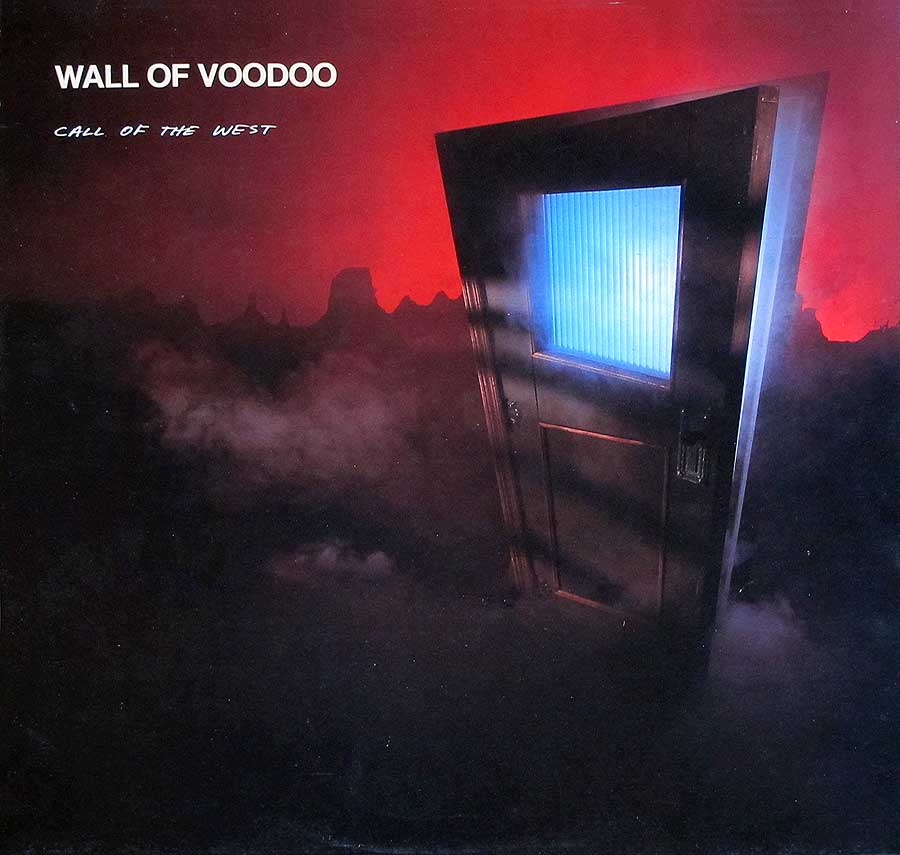
"Call of the West": A Sonic Journey Through 1980s New Wave
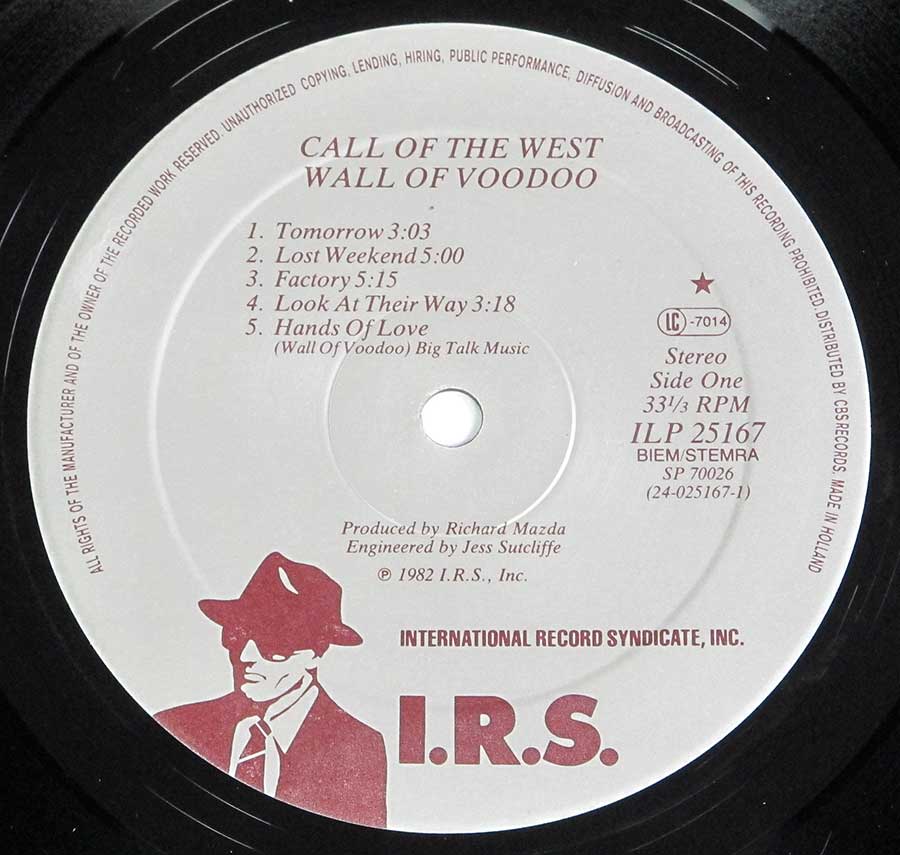
I remember hearing "Mexican Radio" before I owned the record, and thinking it was a novelty that would evaporate in a week. Cute hook, weird voice, done. Then I finally sat down with "Call of the West" (I.R.S., September 1982) and realized the joke was on me. The album doesn’t grin. It squints. It stares back.
Los Angeles in the early ’80s had that sun-bleached paranoia in the air: strip-mall neon, late-night TV glow, and the feeling that “progress” was just another machine with exposed wiring. Wall of Voodoo didn’t politely comment on it. They dragged it into the studio and made it rattle. You can hear it in the way the songs move—restless, slightly cornered, like they’re trying not to get spotted.
Historical context
People love to say “New Wave embraced synths” like it was a committee decision. What I hear here is more like scavenging: grabbing whatever makes the room feel wrong on purpose, then locking the door. The record’s “future” isn’t shiny. It’s fluorescent. And a little cheap. That’s the point.
Musical exploration
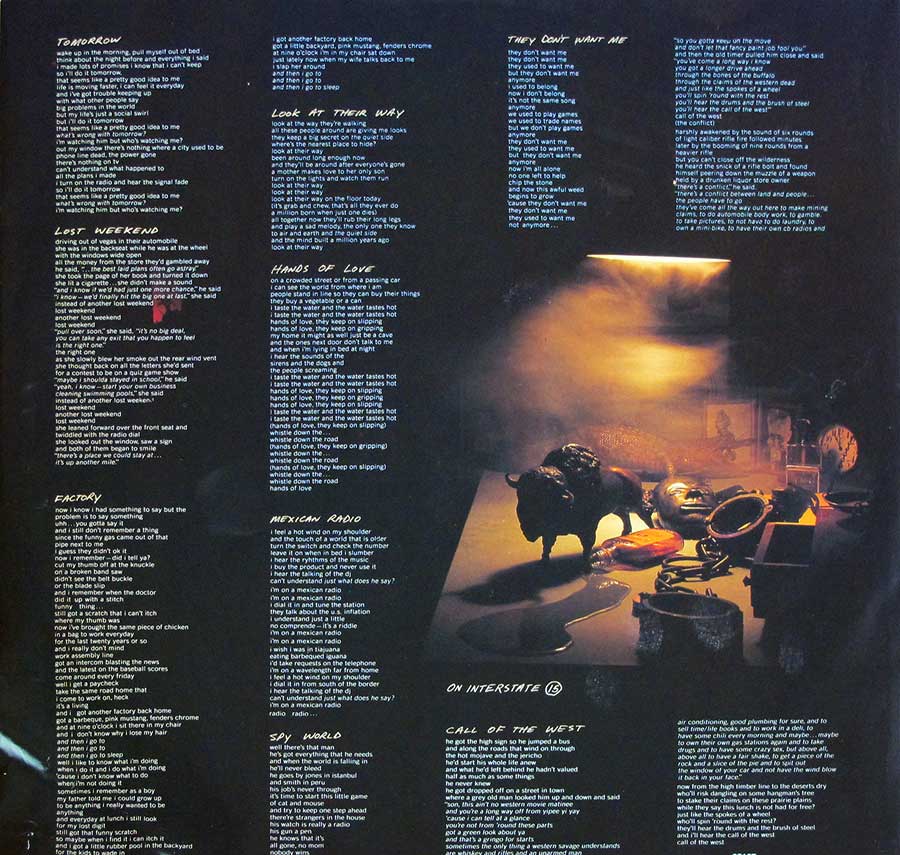
“Mexican Radio” still struts like it owns the sidewalk, all twitchy momentum and that chorus you catch yourself humming at the worst possible time. But the album’s teeth show elsewhere. “Tomorrow” wakes up uneasy, like you’ve slept in your clothes and the day already hates you. And when the title track “Call of the West” rolls in, it doesn’t feel like romance or open skies. More like miles of road where the radio signal keeps dying on you.
Production and studio
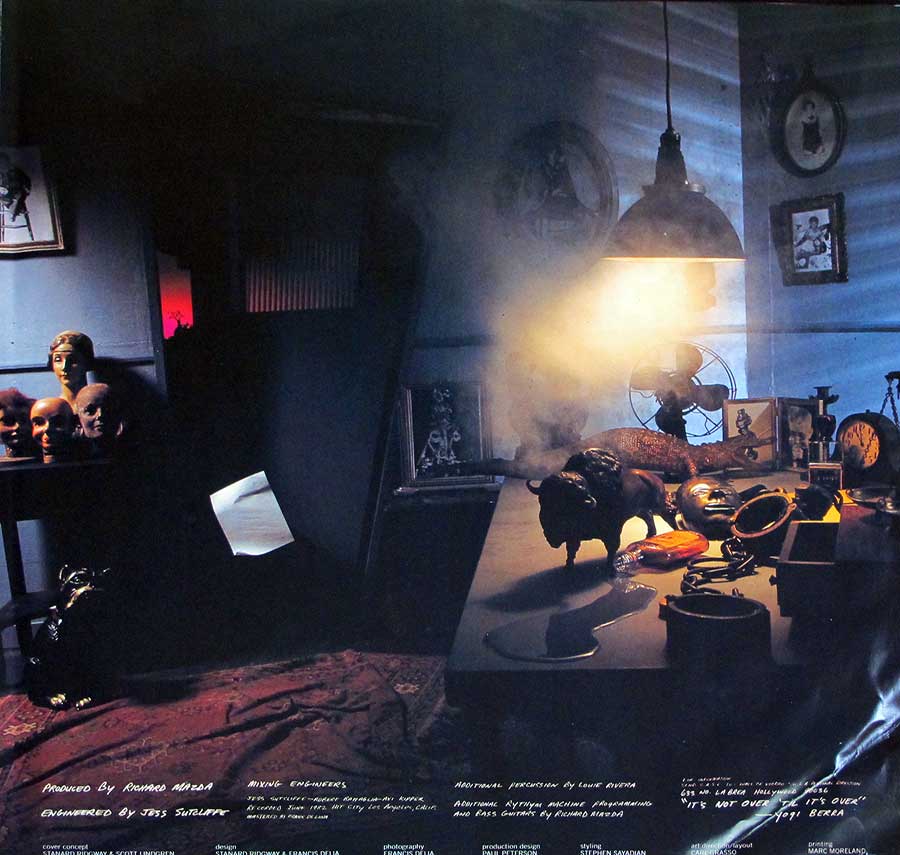
It was recorded in June 1982 at Hit City in Los Angeles (you’ll also see it credited as Hit City West), with Richard Mazda producing. The sound isn’t “polished” in the modern sense. It’s controlled. Tightened. Like somebody kept leaning over the console muttering, “Don’t make it pretty—make it stick.”
The band
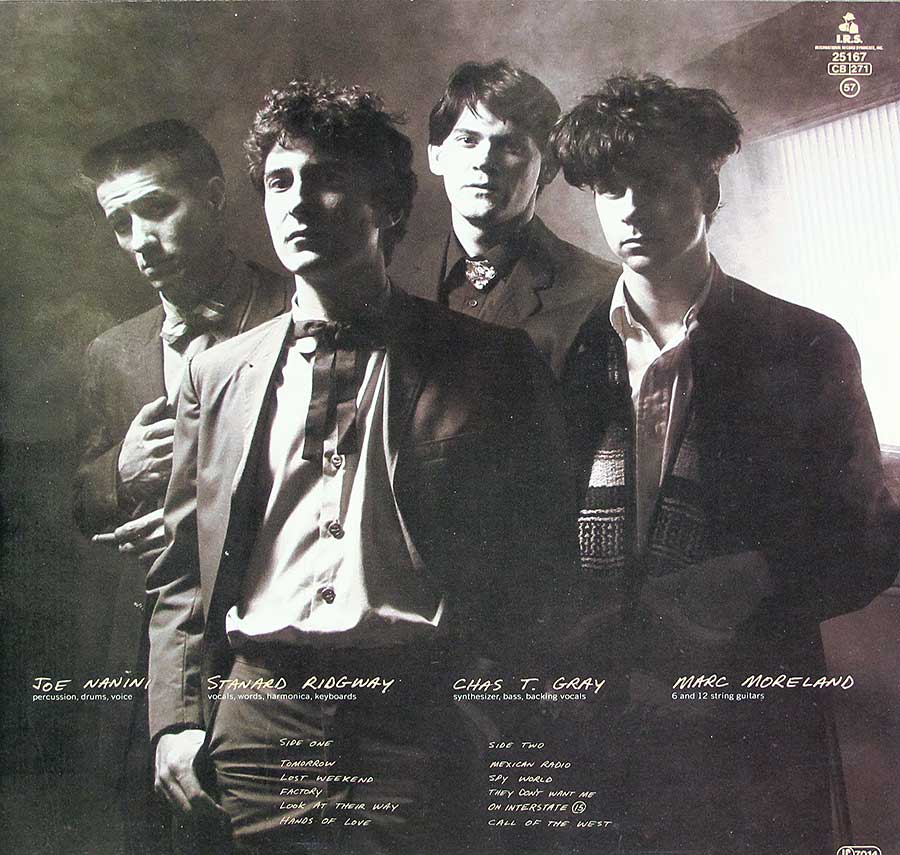
Stan Ridgway sings like he’s narrating from the next room—half warning, half shrug—and it works because the music doesn’t fight him for the spotlight. Marc Moreland’s guitar snaps and skitters; Bruce Moreland’s bass keeps the floor from collapsing; Chas T. Gray’s keys paint the edges with that anxious glow; Joe Nanini’s drums push forward like they’re late for something. A proper unit, not a “project.”