"The Cars" (1978) Album Description:
Introduction on the band and the album
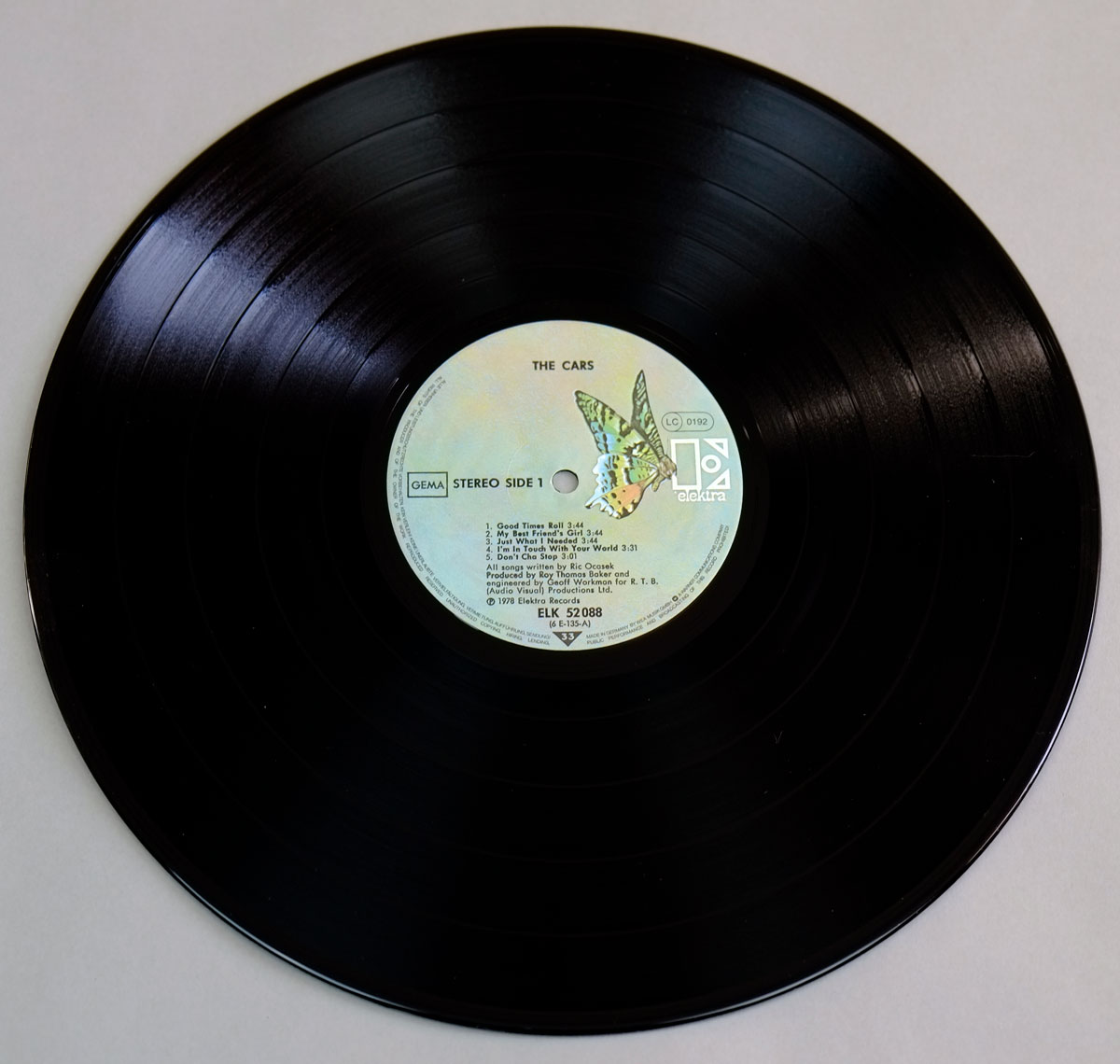
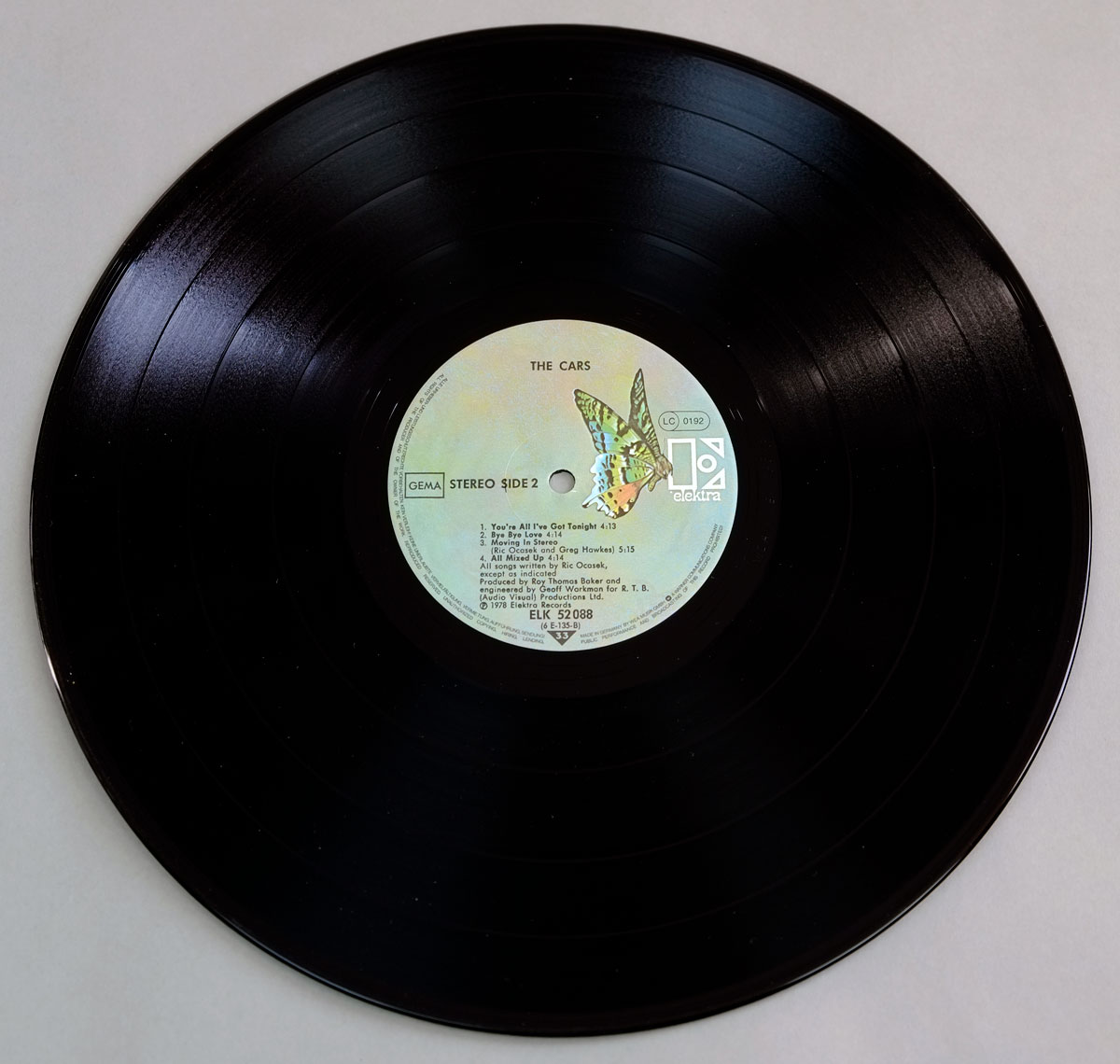
"The Cars" is one of those debuts that doesn’t politely introduce itself—it kicks the door open, straightens its tie, and somehow makes rock music sound futuristic without losing the human pulse. This is American Pop Rock / New Wave with sharp elbows and a perfect grin: catchy enough to hijack your day, cool enough to pretend it didn’t mean to. And yeah, this copy being Made in Germany on Elektra (ELK 52088) just adds to the little collector thrill: same record, slightly different gravity.
Historical and cultural context
1978 was a weirdly perfect year for a band like The Cars to land. Punk had already lit the match, disco was owning the dancefloor, and rock was stuck deciding whether it wanted to be dangerous again or just louder. Into that chaos comes a sound that’s clean, fast, and modern—like somebody swapped out the shag carpet for chrome and fluorescent light.
New wave in this moment wasn’t “one sound,” it was a mood: nervous energy, pop instincts, and a suspicion of old rock hero poses. The Cars fit that wave because they didn’t try to out-snarl punk or out-glitter disco. They just wrote songs that felt like the radio of the near future—where hooks and attitude could share the same backseat without fighting.
How the band came to record this album
This being their debut studio album matters, because you can hear the hunger in how tight it is. Nobody’s coasting, nobody’s doing the “we’ll fix it later” thing. It’s a statement record: here’s the band, here’s the shape of their world, and here’s how they want it to sound when it hits your speakers.
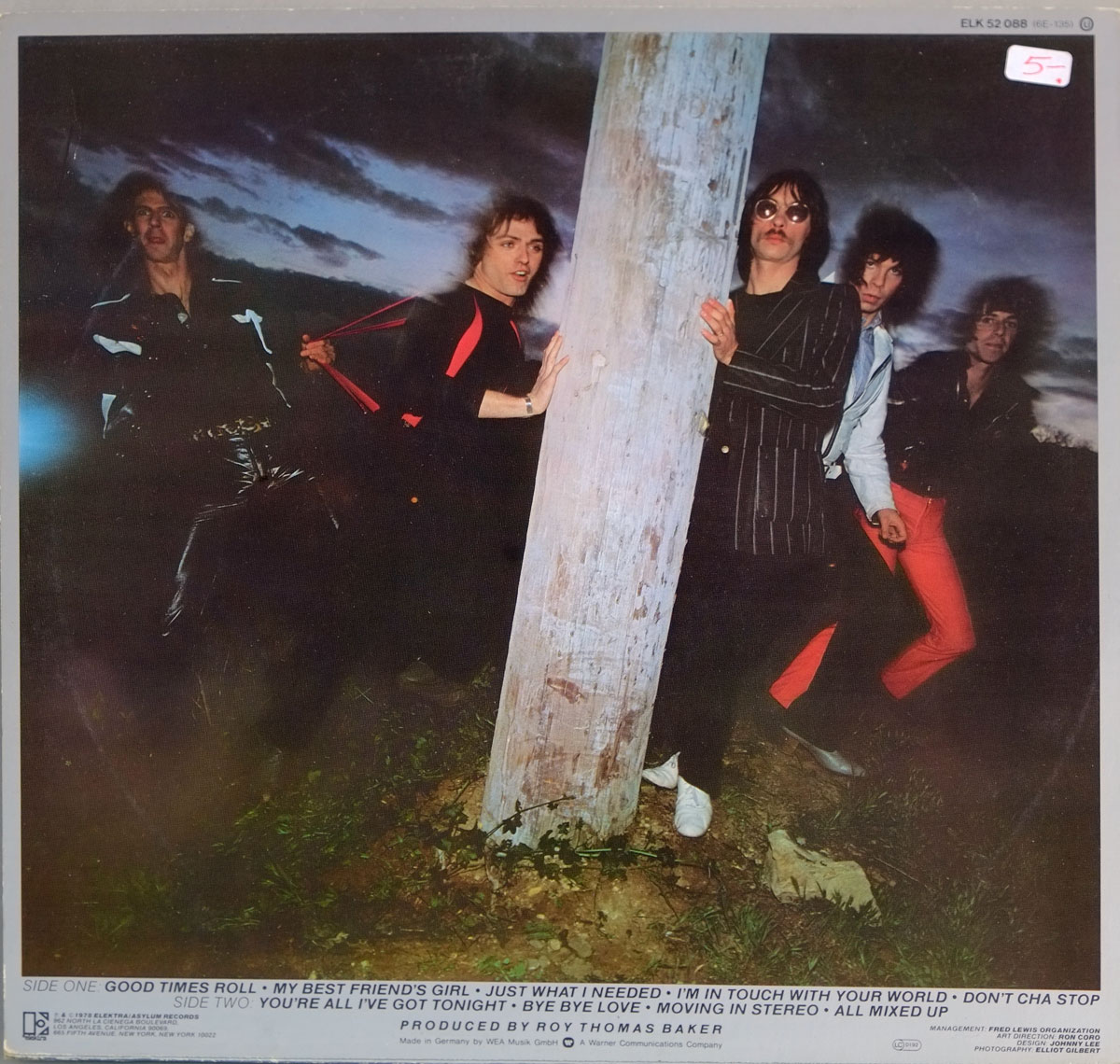
The story behind the sound has a name stamped on it: Roy Thomas Baker produced this thing, with Geoff Workman as recording engineer, and the finishing touch came from George Marino at Sterling Sound, New York City. That trio of credits is basically a neon sign that says: “We’re not making a demo, we’re building a machine that still runs decades later.”
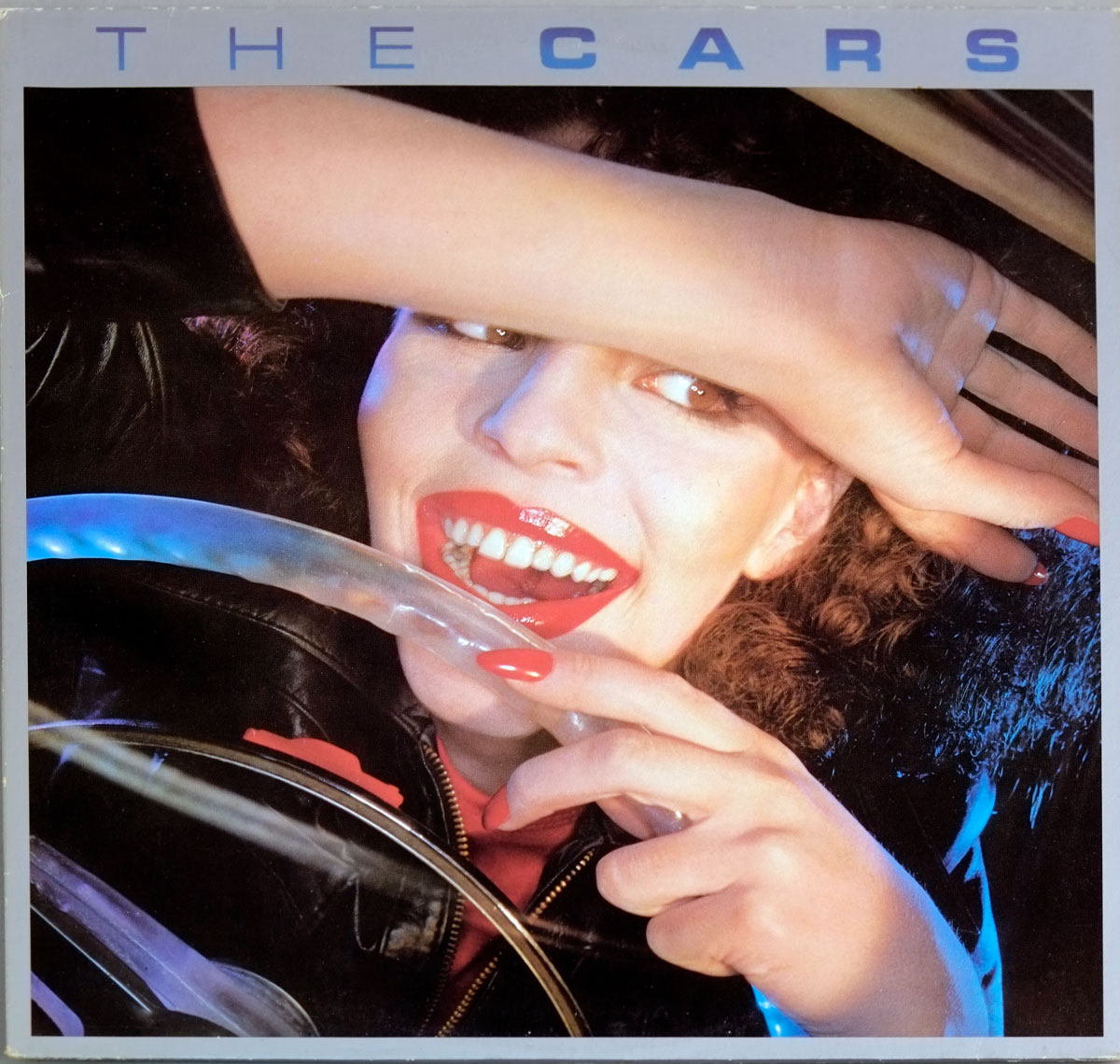
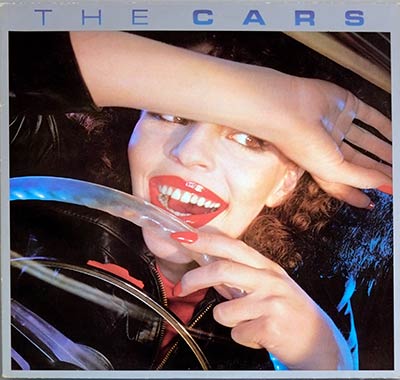
And before you even drop the needle, the cover sets the tone: the front image features Natalya Medvedeva, photographed by Elliot Gilbert, with art direction tied to Jeff Ayeroff. It’s glamorous, slightly distant, and strangely intimate—like the album is already flirting with you from across the room.
The sound, songs, and musical direction
Sonically, "The Cars" is all about contrast: glossy surfaces with a live-wire heartbeat underneath. The guitars don’t “wail,” they slice. The keys don’t “float,” they sparkle and jab. The rhythm section moves with that confident, city-at-night stride—never sloppy, never stiff, just locked in like a band that knows the groove is the hook’s best friend.
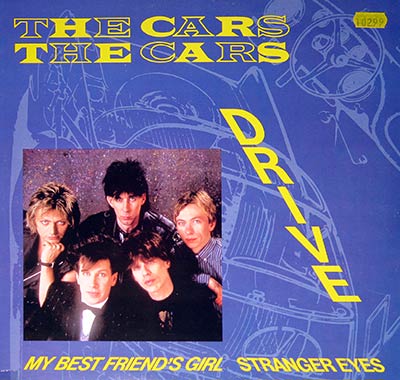
Side one opens with "Good Times Roll", which is basically an invitation and a warning at the same time—smiling while it sharpens the blade. "My Best Friend's Girl" is pop precision with a sneaky edge, the kind of song that sounds simple until you realize it’s engineered to live in your head rent-free.
Then there’s "Just What I Needed", the track that feels like it was built to be shouted through car windows and cheap headphones alike. It’s direct, catchy, and weirdly emotional without getting sentimental. And when you hit side two, "Moving in Stereo" stretches out the atmosphere—cool, hypnotic, a little cinematic—before "All Mixed Up" closes the curtain like the night isn’t over, it’s just moved somewhere darker.
Comparison to other albums in the same genre/year
If you line up 1978’s broader new-wave-adjacent universe, you can see where The Cars sit on the map. Compared to "Parallel Lines" (Blondie), they’re less disco-lit and more steel-and-glass. Compared to "This Year's Model" (Elvis Costello), they’re cooler and more aerodynamic—less spit, more sparkle. Compared to "Q: Are We Not Men? A: We Are Devo!" (Devo), they’re less surrealist and more radio-perfect, but still comfortably weird in the corners.
What The Cars bring that a lot of their peers don’t is this exact balance of sweet melody and detached cool. They can sound romantic and sarcastic in the same breath, like the song is falling in love while rolling its eyes at itself. That’s not easy. Most bands pick one lane. The Cars build an on-ramp and speed up.
Controversies or public reactions
This isn’t a “scandal record,” and it doesn’t need to be. If there was any friction, it’s the classic aesthetic argument: some people hear polish and complain it’s too clean, too controlled, too “designed.” Other people hear that same polish and crank it up because, surprise, songs that hit hard tend to be built on purpose.
The funniest part is how the cover can spark its own little mythology. The page itself carries more than one version of Natalya Medvedeva’s story, and honestly that’s kind of perfect: the 1970s music world ran on half-truths, legend-building, and “I heard it from a guy who knew a guy.” The record stays the same. The lore mutates.
Band dynamics and creative tensions
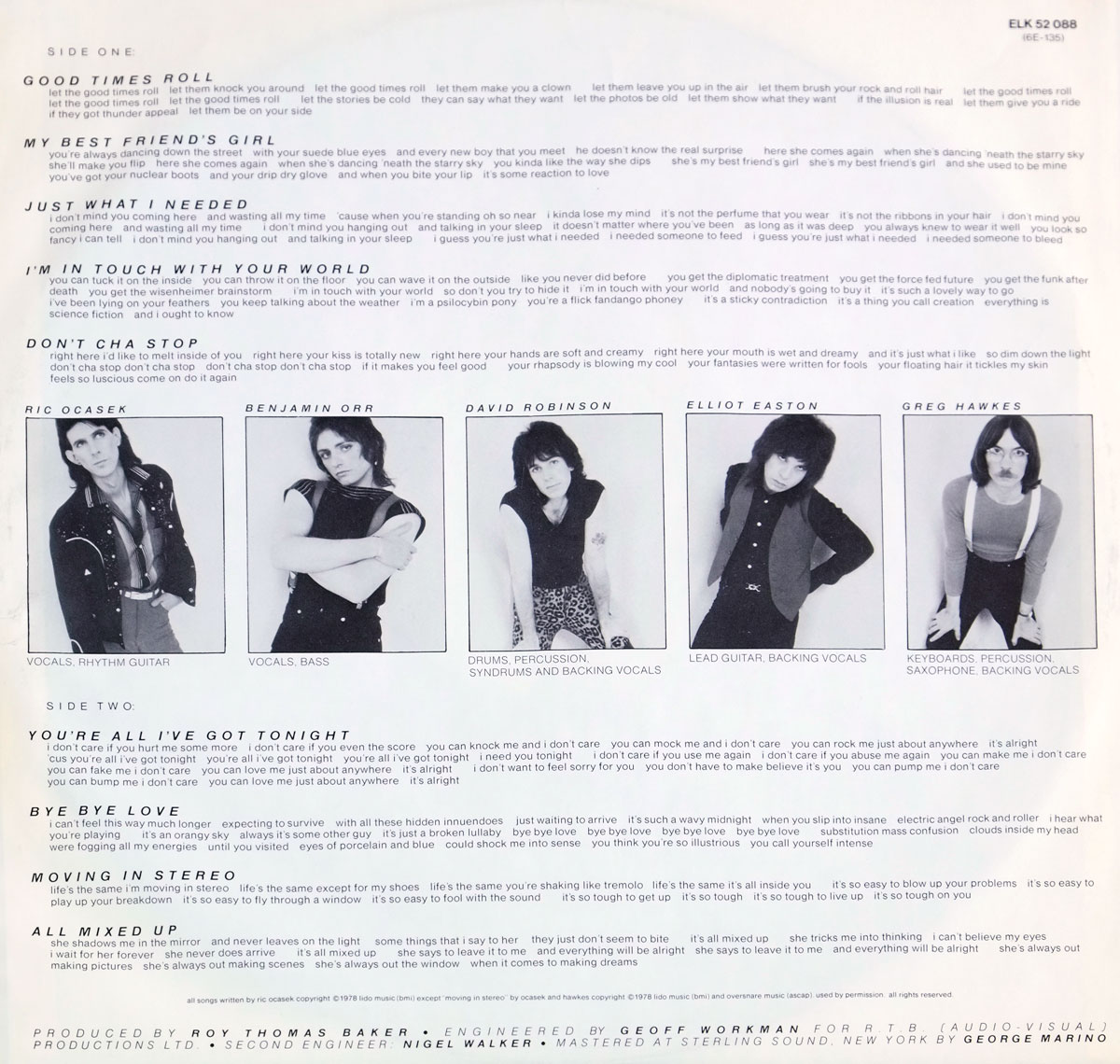
You don’t need tabloid drama to hear band dynamics at work here. The lineup splits personality in a way that feels deliberate: Ric Ocasek and Benjamin Orr trading vocal presence gives the album a natural push-pull between cool control and warm immediacy. That duality is part of the magic—like two narrators describing the same city from different sidewalks.
Instrumentally, it’s a group performance that feels obsessively coordinated without sounding sterile. Elliot Easton’s guitar lines hit with bright precision, Greg Hawkes adds color and texture without turning it into a synth lecture, and David Robinson keeps the whole thing moving like a machine that still somehow breathes. It’s tight, but it’s not trapped.
Critical reception and legacy
What’s wild is how “obvious” this album can feel now—like it’s always existed—until you remember it had to be invented first. "The Cars" sits in that rare category where a debut doesn’t just introduce a band, it quietly rewires expectations. It makes pop craftsmanship feel tough, and it makes rock attitude feel smarter than its own ego.
Decades later, the standout songs still land because they’re built from real human anxieties, dressed up in clean lines and sharp hooks. It’s the sound of late-’70s modern life: excitement, alienation, desire, sarcasm, motion. The album doesn’t beg for nostalgia—it just shows up, sounds great, and reminds you why everybody kept chasing that balance of cool and heart.
Reflective closing paragraph
As a collector, I love records that feel like time capsules and blueprints at the same time, and "The Cars" is exactly that—1978 bottled in glossy ink and nervous electricity. You drop the needle and suddenly you’re in a world of neon edges and late-night radio, where every hook is sharp enough to leave a mark. Decades later, the grooves still smell faintly of beer, sweat, and that wonderfully misguided optimism that the future was going to be sleek and painless. Spoiler: it wasn’t. The album still is.