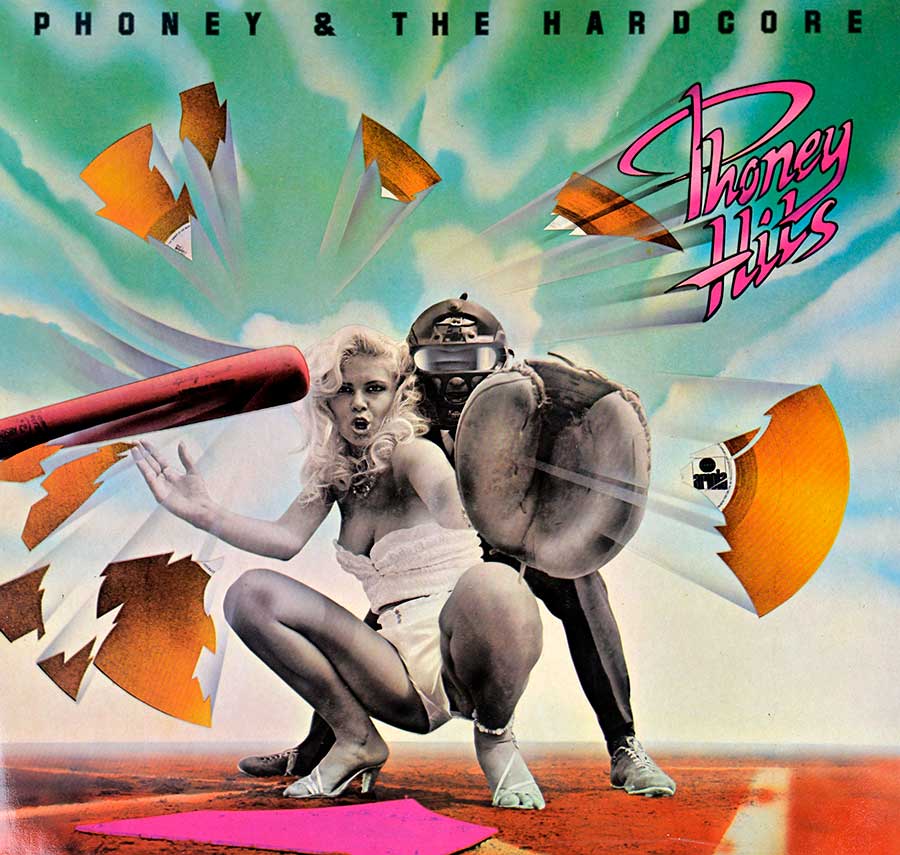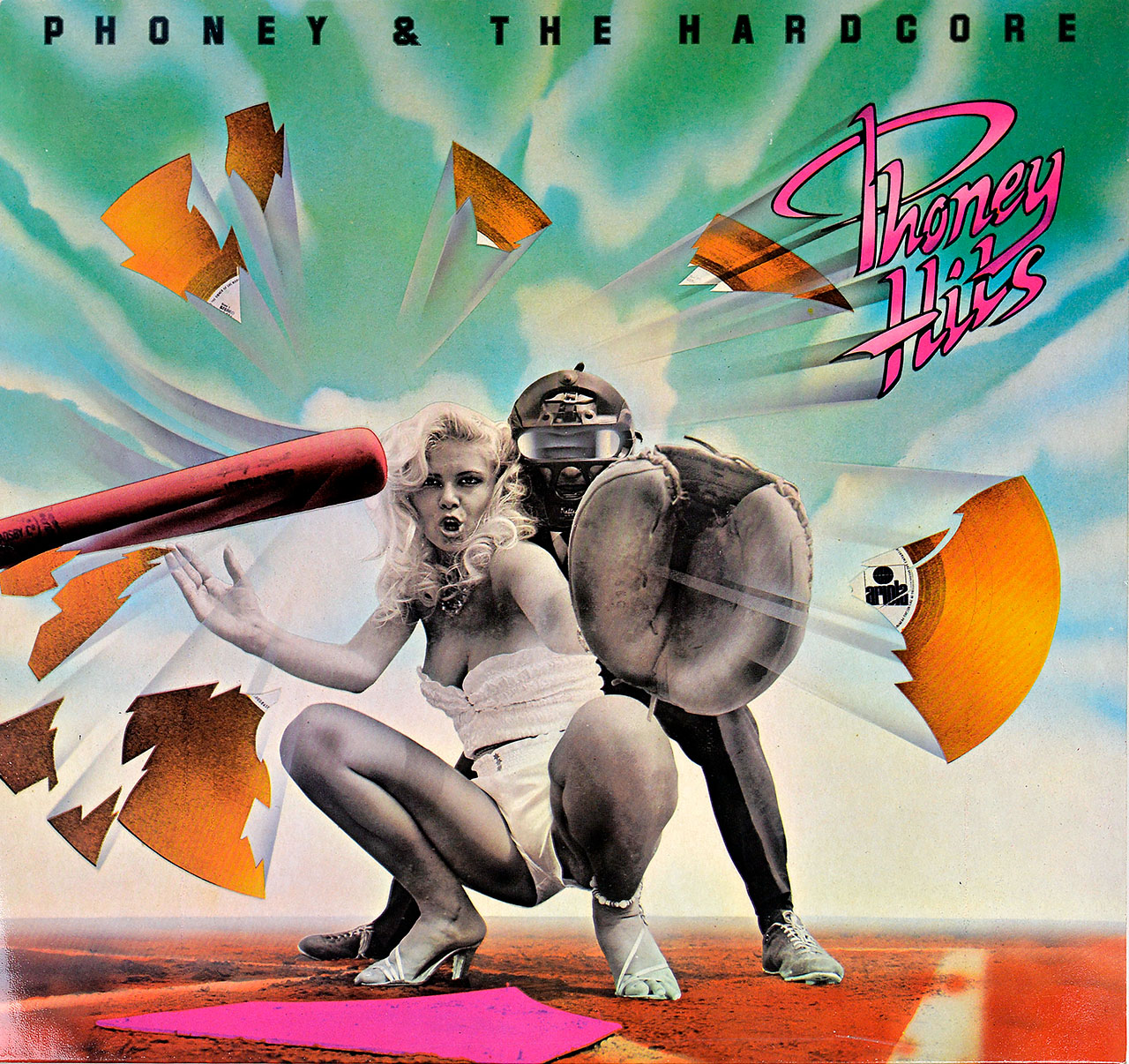
"Phoney Hits" (1979) Album Description:
"Phoney Hits" arrived in 1979 from Groningen, not from some myth factory in London or New York, and that already gives it a better smell than half the era's overpraised product. This is a Dutch debut LP made by a band with one eye on bar-room rock, the other on new-wave tension, and no real interest in sounding neat about either of them. You can feel that push-and-pull straight away. It is not elegant. Good.
The lazy label is easy enough: Herman Brood influence, Dutch rock, late-70s, move along. But that cheap summary misses the part that makes the record worth opening up for. Phoney & The Hardcore came out of Groningen's Springtij moment, caught a burst of attention because Erik Strack could write songs sharp enough to travel, and then nearly got swallowed by the same promise that made the band look dangerous in the first place.
By 1979, Groningen was not some sleepy provincial afterthought. Vera, Simplon, Huize Maas and every room with a bar and enough electricity seemed to be coughing up bands, and Phoney & The Hardcore were among the better-known names in that northern surge. They had started two years earlier out of the remains of Snake and Little Beaver, which already tells you this thing was built from restlessness rather than careful career planning.
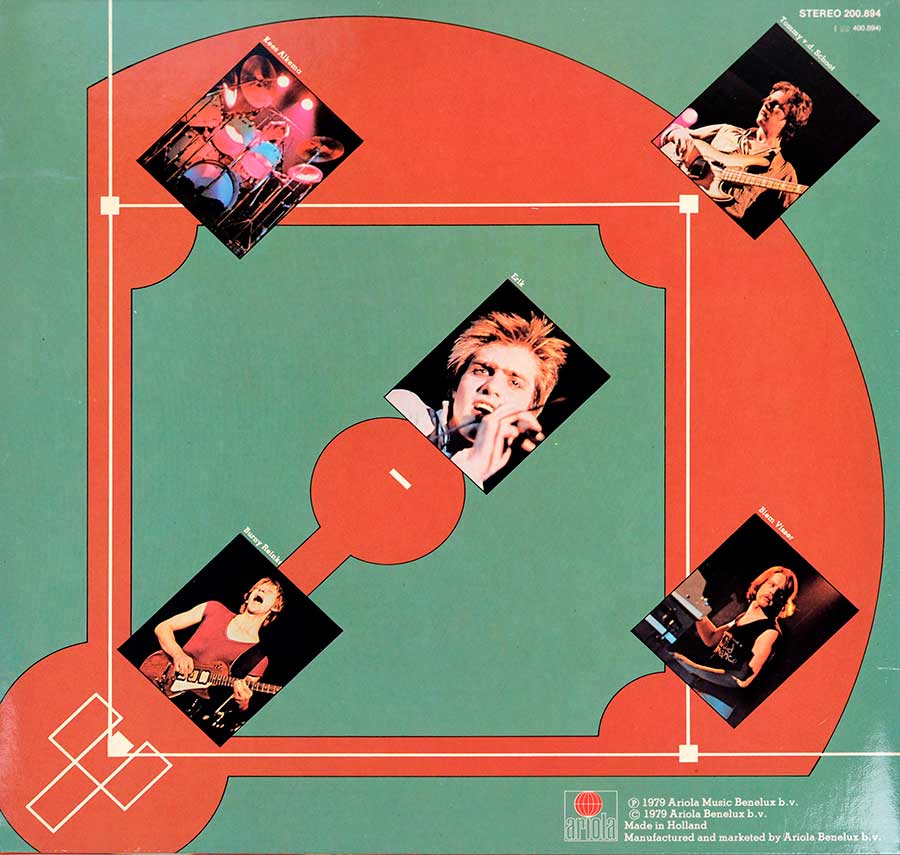
That matters, because "Phoney Hits" does not behave like a carefully groomed debut. It feels like a stage-trained record: double-guitar shove, keyboards used for flash and sting rather than wallpaper, and a rhythm section that keeps the songs moving before anybody has the chance to disappear up their own clever backside. Kees Alkema and Biem Visser give the band muscle and shape, while Erik Strack sits near the centre of the whole affair as the figure who pulls the songs toward something more than pub-rock routine.
The Brood connection helped and hurt. Strack wrote songs that Herman Brood turned into real currency, and suddenly Phoney were no longer just another Groningen name on a local poster. The common misunderstanding is that this LP must therefore be a Wild Romance hand-me-down. Not really. Brood dealt in sleaze, piano boogie and glorious self-destruction; Phoney sound tighter in the shoulders, colder in the face, and more caught between rock grit and new-wave nerves. Set them beside Streetbeats, Subway, The Meteors or White Honey and you hear the same northern scene air, but not the same fingerprint.
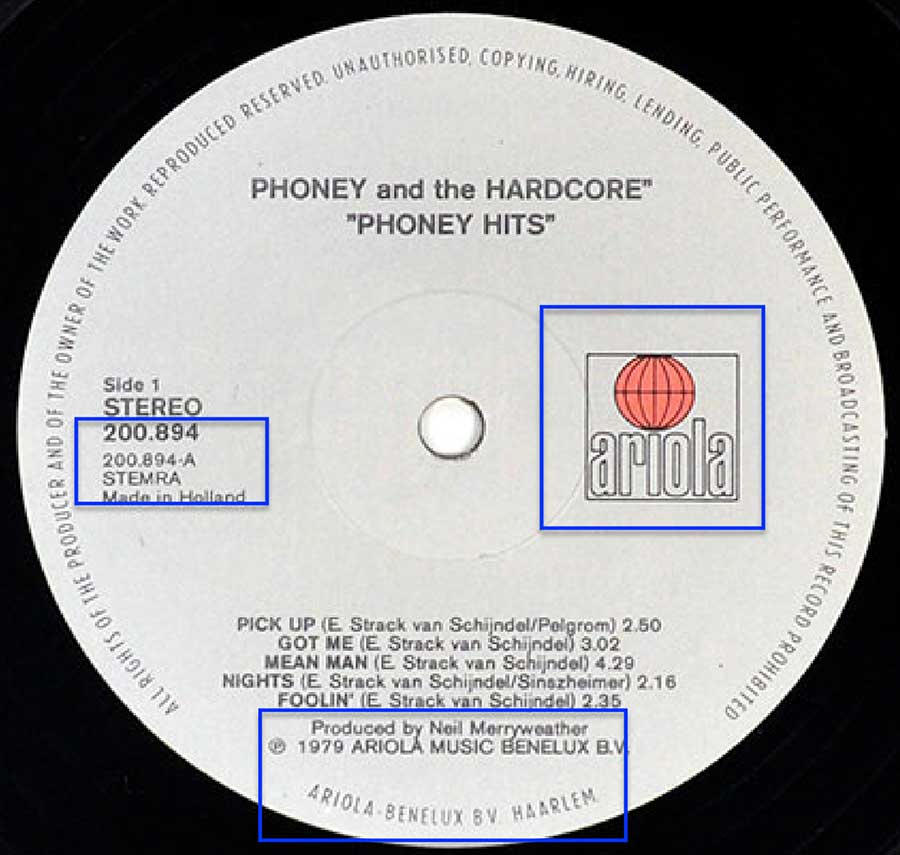
Even the track list gives the game away. "Pick Up" sounds like a title built to get in and start a fight with the room. "Rent-A-Cop" comes preloaded with a smirk. "Suicide" and "Change" suggest that the band were not interested in writing one long cheerful beer-mat. There is no grand concept album nonsense here, no fake intellectual scaffolding, just a working band trying to turn pressure, wit and friction into ten cuts that move.
Neil Merryweather was a sensible choice because this material did not need a white-coated technician pretending it was fragile art. It needed somebody who understood pace, attack and the difference between raw and merely sloppy. Robert "Fastpunch" Freeman had the right kind of job too: records like this live or die on whether the guitars keep their bite and whether the mix leaves enough air around the push. Relight Cafe was not some palace studio, and frankly that is part of the point.
I have a weakness for records like this. Pull a Dutch original from a shop bin and the first temptation is to file it under "minor local curiosity" and move on to something with a bigger legend attached. Then you notice the Ariola number, the plain stubborn confidence of the package, the titles, the sense that the band were trying to force a way out of the provinces without sanding off the local grit. That is when the sleeve starts talking back.
There was no great scandal attached to "Phoney Hits". No banned cover, no moral panic, no dramatic public collapse timed neatly with the release. The real distortion came later, when people reduced Phoney & The Hardcore to a Herman Brood side-shadow or lazily shoved them into punk because the late 70s makes critics do stupid filing tricks. This album sits in rougher territory than pop-rock and in less doctrinaire territory than punk. Messier. Better, too.
The aftertaste is sharper because we know what came next. The American detour that followed, and the second album that came out of it, did not push the band higher; it cracked the momentum instead. So "Phoney Hits" now plays like the sound of a group just before the promise curdled, when Groningen still felt like a launch pad and not a warning label. That is why the record deserves keeping on a site like yours. Not because it is rare enough to cause wallet seizures, but because it catches a real scene, a real moment, and a band still arguing with its own future.