"New Boots and Panties!!" (1977) Album Description:
In 1977, while half of Britain was either pinning safety pins through its face or pretending it had always understood punk, Ian Dury walked in with "New Boots and Panties!!" and made the whole thing feel embarrassingly human. It didn’t arrive like a manifesto; it arrived like a late-night confession at the end of the bar, backed by a rhythm section that could swing hard enough to make the sneer feel like a dance move.
The UK in ’77 was tense, skint, and loud about it. The Sex Pistols were turning outrage into headline copy, The Clash were sharpening politics into chords, The Damned were sprinting, Elvis Costello was weaponising nerves, and Dr. Feelgood had already shown how far pub rock could push a room before the pint glasses started flying. Dury didn’t copy any of that. He stole the electricity, then wired it into stories about real streets, real mouths, and real bad ideas.
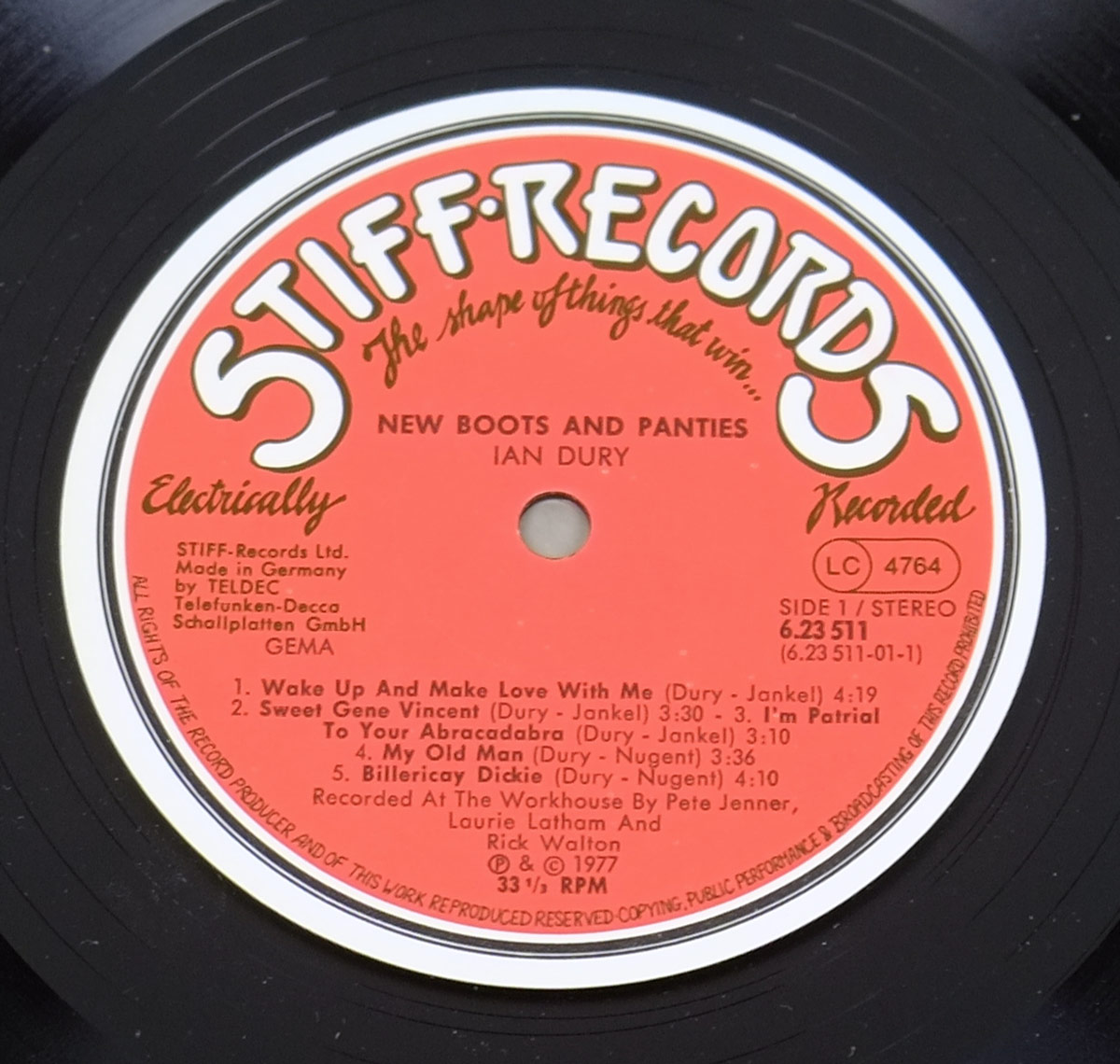
The album was cut at Workhouse Studio on Old Kent Road, and it has that after-hours feel: not sterile, not “expensive,” more like somebody switched on the desk lights and decided to capture whatever was still honest at 1 a.m. Peter Jenner, Laurie Latham, and Rick Walton are on the production credit, but the sound tells you what mattered: the bass and the kick drum sit up front like they’re daring you to stand still.
Sound: sweaty groove, sharp tongue
“Wake Up and Make Love With Me” opens with zero manners and a grin you don’t fully trust. “Sweet Gene Vincent” does that trick where it starts tender and then turns the corner into rock ’n’ roll devotion without asking permission. And “Billericay Dickie” struts like a bloke in a too-loud suit who’s absolutely sure the room exists for his entrance. None of it feels like genre tourism. It feels like Dury dragging punk energy through funk, disco, and music-hall instincts until the friction starts sparking.
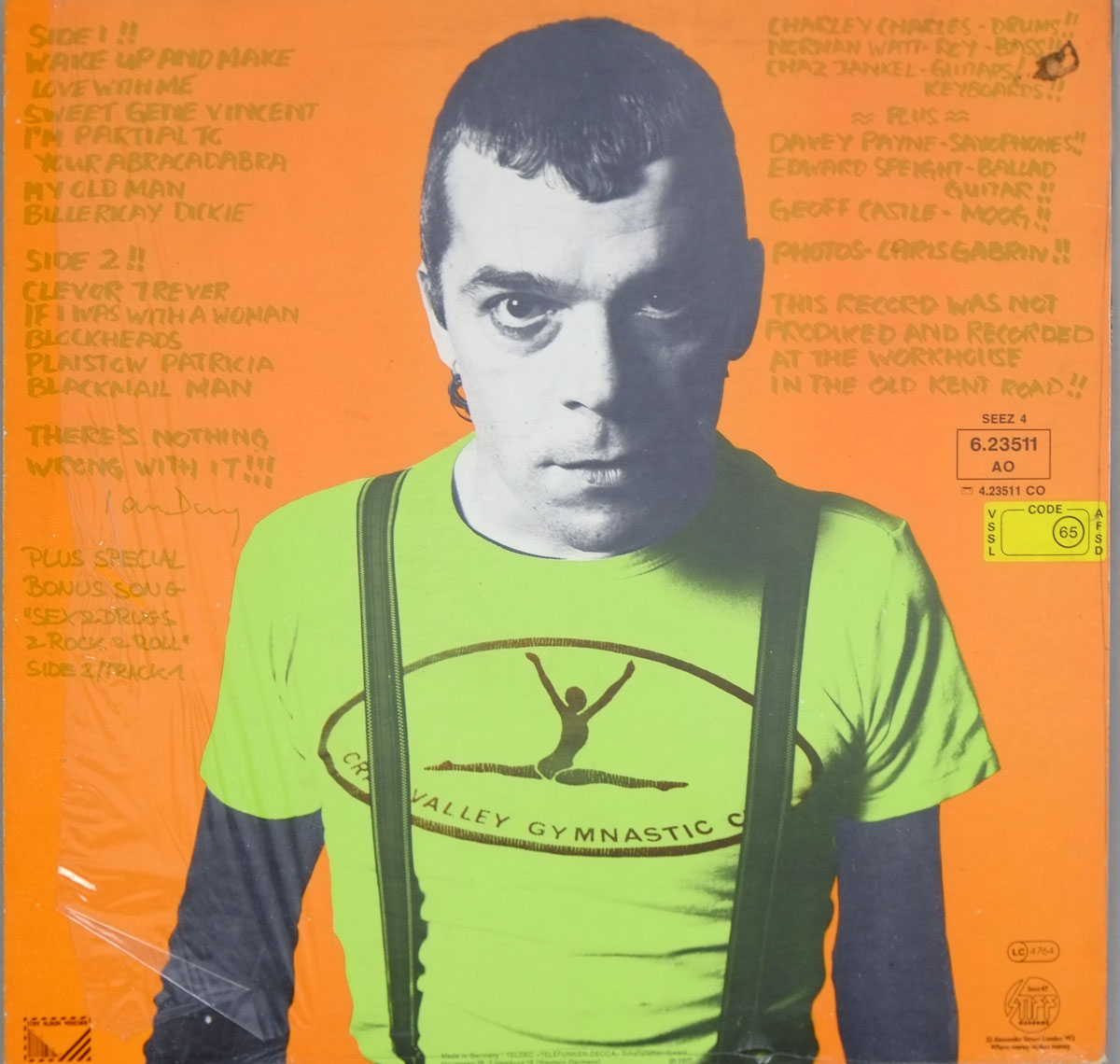
The usual misconception is that this is “after” the Blockheads, like Dury woke up one day and hired a super-band. Nah. The record is credited to Ian Dury, sure, but you can already hear the crew forming: Chaz Jankel’s writing chemistry with Dury, Norman Watt-Roy’s bass moving like it’s got somewhere better to be, Charley Charles hitting with that snap, Davey Payne adding sax bite when the songs need a shove, not a decoration.
What actually happened when it hit the world
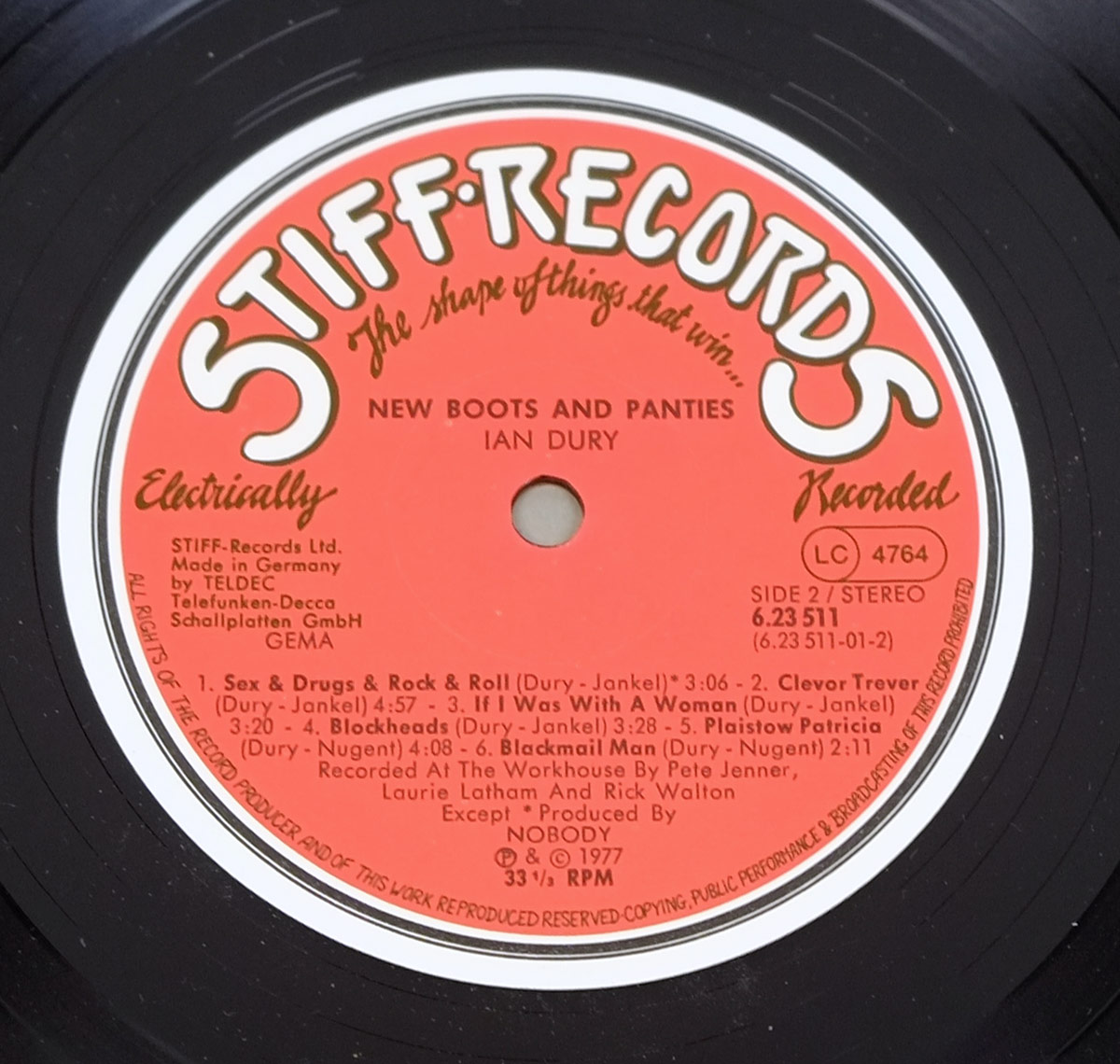
Here’s the funny part: the album didn’t explode instantly. Dury had this stubborn rule about keeping singles off albums, so “Sex & Drugs & Rock & Roll” (released just before the LP) wasn’t on the original pressing, even though it’s the phrase everyone still quotes like they invented it. The BBC didn’t exactly roll out the welcome mat for that single either. And “Sweet Gene Vincent” came out later in 1977 and didn’t chart, which is the kind of slow start that makes label people reach for aspirin.
Then the stand-alone hits arrived and basically dragged the album into the spotlight by its collar: “What a Waste” went Top 10, “Hit Me With Your Rhythm Stick” hit No.1, and “Reasons to Be Cheerful, Part 3” hit No.3. The record eventually climbed to No.5 on the UK album chart in February 1979, long after the first wave of noise had moved on to the next thing. That’s not hype. That’s staying power earned the hard way.
Key people, doing practical work (not mythology)
- Dury + Jankel: the engine room. Words that sound like overheard conversation, melodies that dodge obvious rock poses.
- Laurie Latham (with Jenner and Walton credited): engineering/production that keeps the rhythm section punchy and the vocal right in your face.
- The band around him: bass and drums that swing, sax that jabs, keys and guitar that keep the groove moving instead of “showing off.”
One quiet personal anchor, because these things happen in real life: this is the kind of record you first hear too late, on a radio that isn’t even tuned properly, and you still sit up because the voice sounds like it’s looking straight at you. Not “cool.” Not “beautiful.” Just true enough to be annoying.
Controversy-wise, it’s less about scandals and more about discomfort: the opening track’s blunt sexuality, the BBC getting twitchy about the “Sex & Drugs” single, critics warning polite readers that this might not be for them. Which, honestly, is the correct reaction. If this album feels too tidy, you’re holding it wrong.
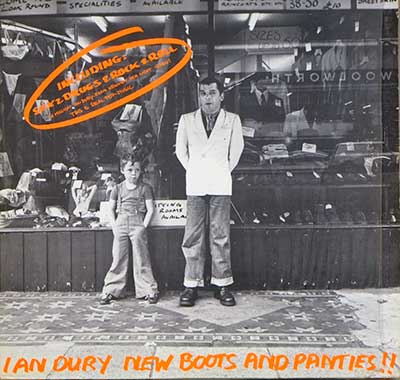
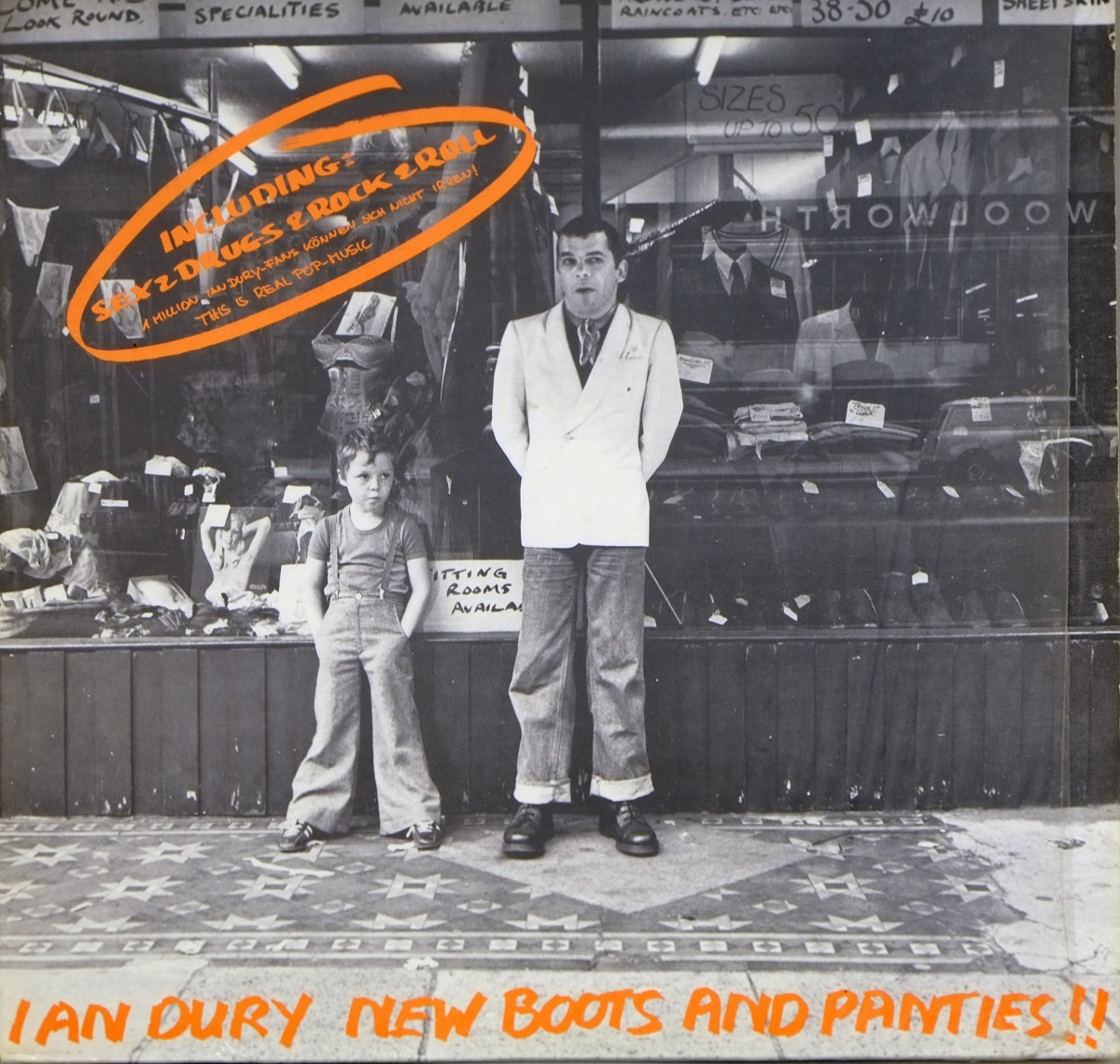
The cover shot—Dury outside an underwear shop, with his kid in the frame—matches the music: everyday London detail, slightly cheeky, and somehow more intimate than a thousand “important” rock portraits. It doesn’t pose as history. It just stands there and dares you to blink first.
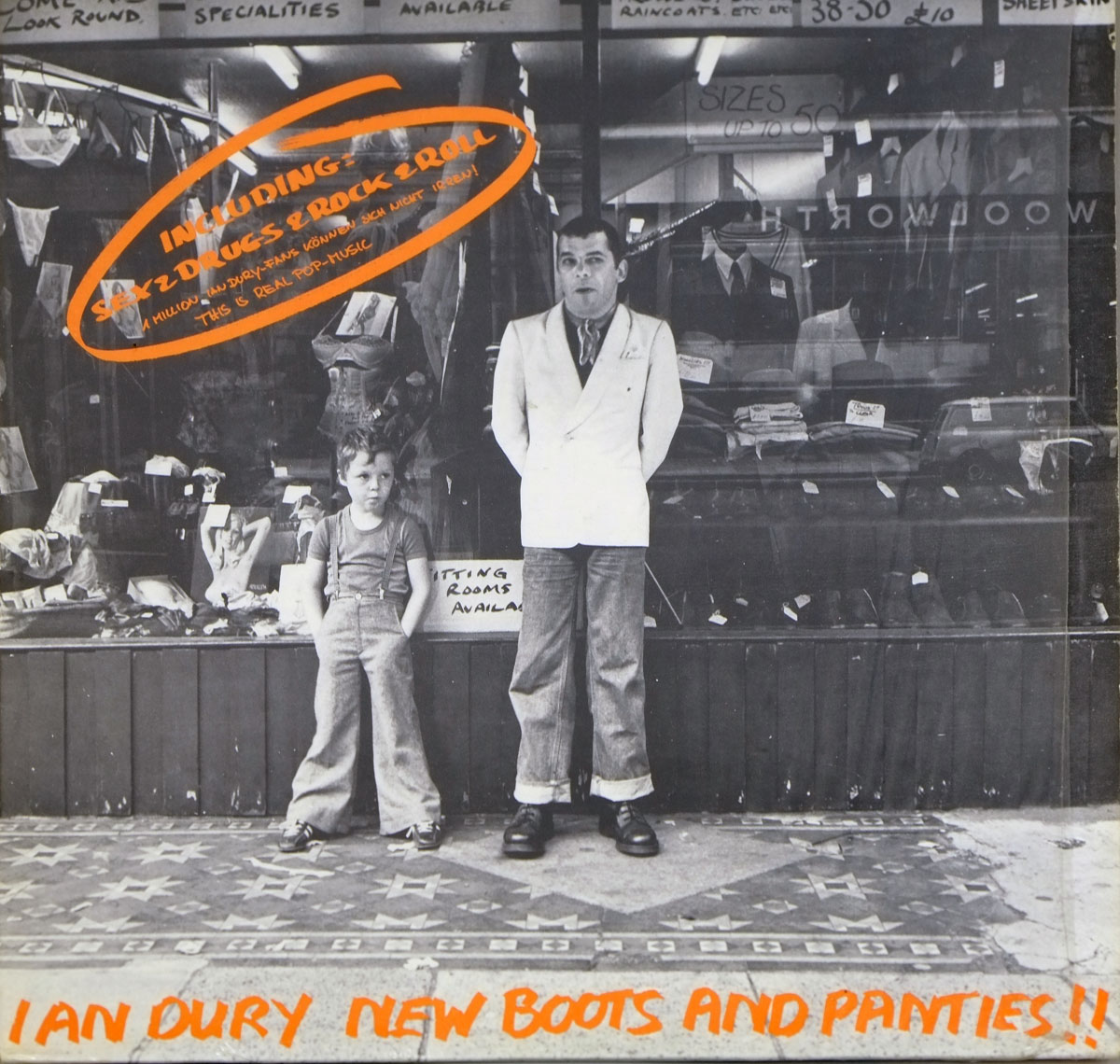
Tough, unvarnished street-photo energy: available light, contrast pushed just enough to bite, and shadows left slightly rude instead of “fixed.” The framing feels like a fast 35mm grab—off-center on purpose, lots of negative space, edges doing quiet work. Grain stays visible, so it prints with that paper-and-ink texture, not glossy perfection.
References
- Wikipedia: "New Boots and Panties!!" (album facts, recording, charts, artwork)
- The Guardian (archive): 1977 review context
- Wikipedia: "Sex & Drugs & Rock & Roll" (single release details)
- Wikipedia: "What a Waste" (UK chart peak)
- Official Charts: "Reasons to Be Cheerful, Part 3" (UK peak position)
- Wikipedia: The Blockheads (formation context)