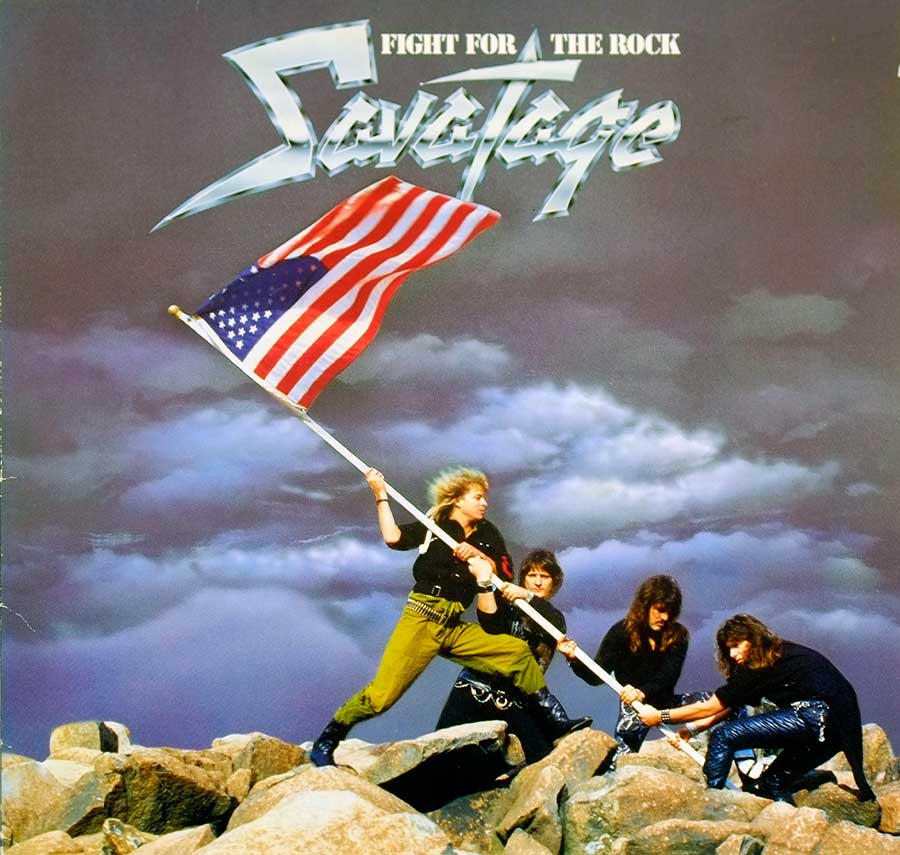
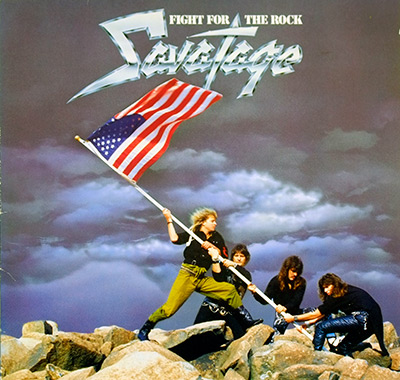
"Fight for the Rock" Album Description:
"Fight for the Rock" is the third full-length album released by the American heavy metal band SAVATAGE in 1986. The album marked a significant transition for the band, as it introduced new bass player Johnny Lee Middleton, who would go on to become the only constant member in each subsequent Savatage record. Produced by a team of talented individuals, the album showcased the band's evolving sound and solidified their position in the heavy metal scene of the time.
Production and Sound Engineering:
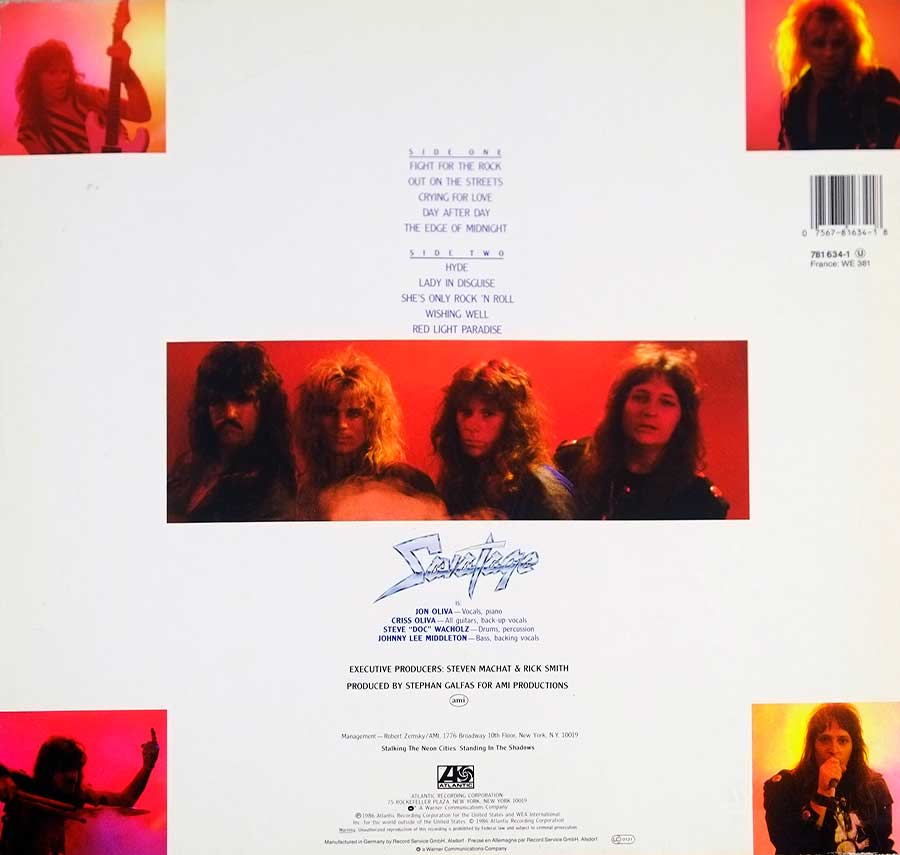
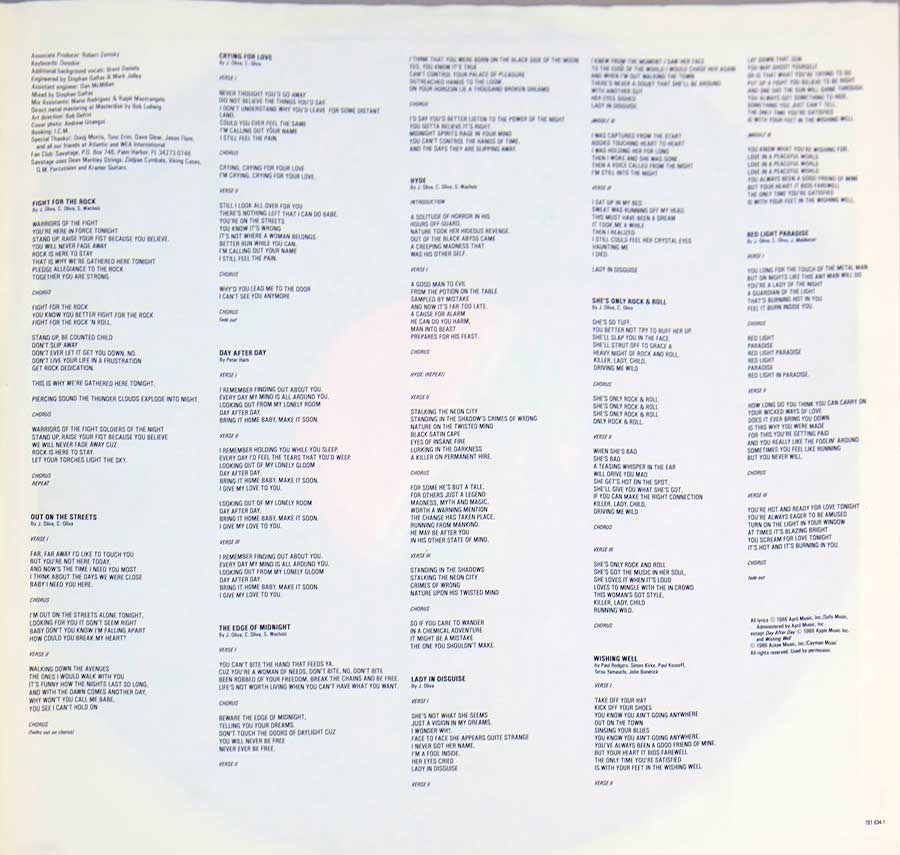
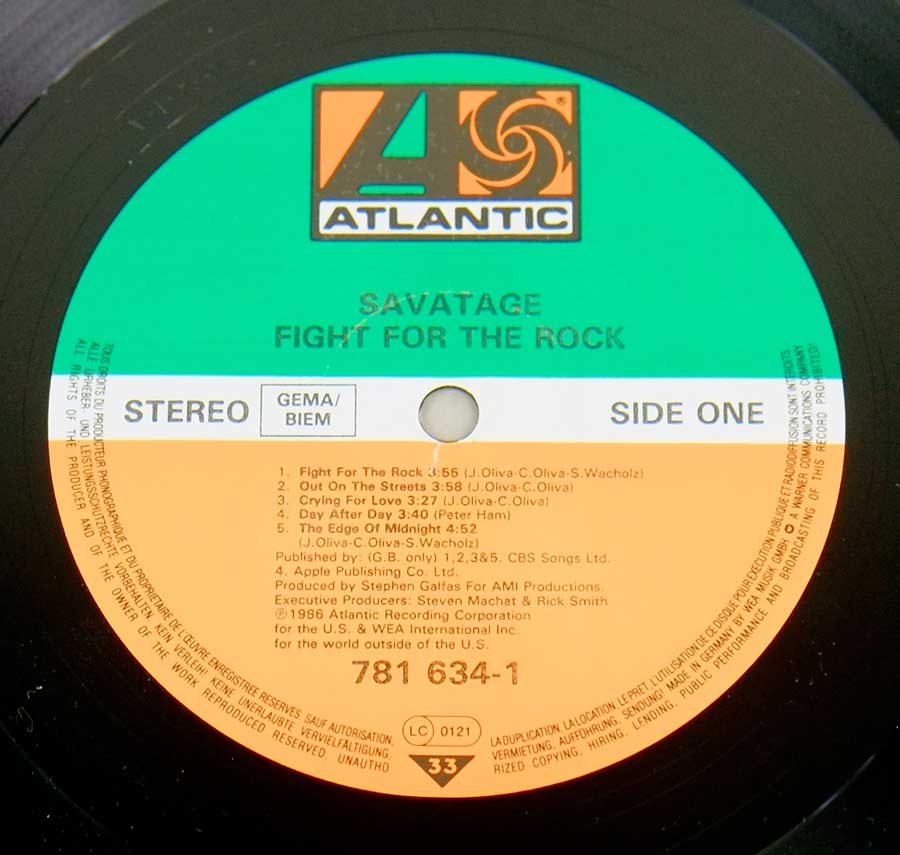
"Fight for the Rock" benefited from the expertise of several individuals involved in its production. The album was executive produced by Rick Smith and Steven Machat, while Robert Zemsky and Stephan Galfas took on the roles of producers. Sound engineers such as Dan McMillan, Mario Rodriguez, Mark Jolley, Ralph Mastrangelo, and Bob Ludwig contributed their skills to ensure the album's sonic quality. The album's mastering was done using Direct Metal Mastering (DMM) at Masterdisk by Bob Ludwig. The artwork direction was handled by Bob Defrin, and the photography was captured by Andy Unangst.
Band Members and Performers:
The lineup for "Fight for the Rock" consisted of talented musicians who played vital roles in shaping the album's musical direction. Jon Oliva, who also provided vocals, showcased his piano skills on the record. Criss Oliva handled all guitar duties, contributing to the album's heavy and melodic sound. Steve "Doc" Wacholz demonstrated his drumming prowess and percussion skills, providing a solid foundation for the band's music. Johnny Lee Middleton joined the band as the new bass player and contributed backing vocals, establishing himself as a permanent member of Savatage for years to come.
Musical Style and Impact:
"Fight for the Rock" represented a shift in Savatage's musical style compared to their previous works. The album incorporated elements of traditional heavy metal with a touch of hard rock, displaying the band's versatility and willingness to experiment. Tracks such as "Fight for the Rock" and "Out on the Streets" showcased the band's signature heavy riffs and catchy melodies, while tracks like "This Is the Time (1990)" and "Red Light Paradise" delved into more melodic and introspective territories.
While the album received mixed reviews from critics at the time of its release, it remains an important part of Savatage's discography. "Fight for the Rock" helped the band gain recognition within the heavy metal community, paving the way for their future successes. The album demonstrated Savatage's ability to evolve their sound and adapt to changing musical trends while staying true to their core identity.