Dirk Steffens, I first noticed him the boring way: squinting at a sleeve under a lamp because the credits were printed in that tiny “good luck, red colour, grandpa” font. And there it was again. That’s his whole thing—he’s not the poster on the wall, he’s the reason the wall shakes. Before he settled behind the desk, he did the band grind: Beathovens (1969–1971), then he kicked off Pennywonder (from 1971), then a quick, real stretch with Birth Control (July 1973–January 1974). After that he didn’t “transition” into production like a LinkedIn fairy tale—he just went where the work was, where the hours were long, and where the sound either gets disciplined or gets embarrassing. I tend to trust producers who’ve actually played in bands; they don’t romanticize the mess, they fix it. For the neat timeline (and the extra rabbit holes), here’s the Dirk Steffens Wiki
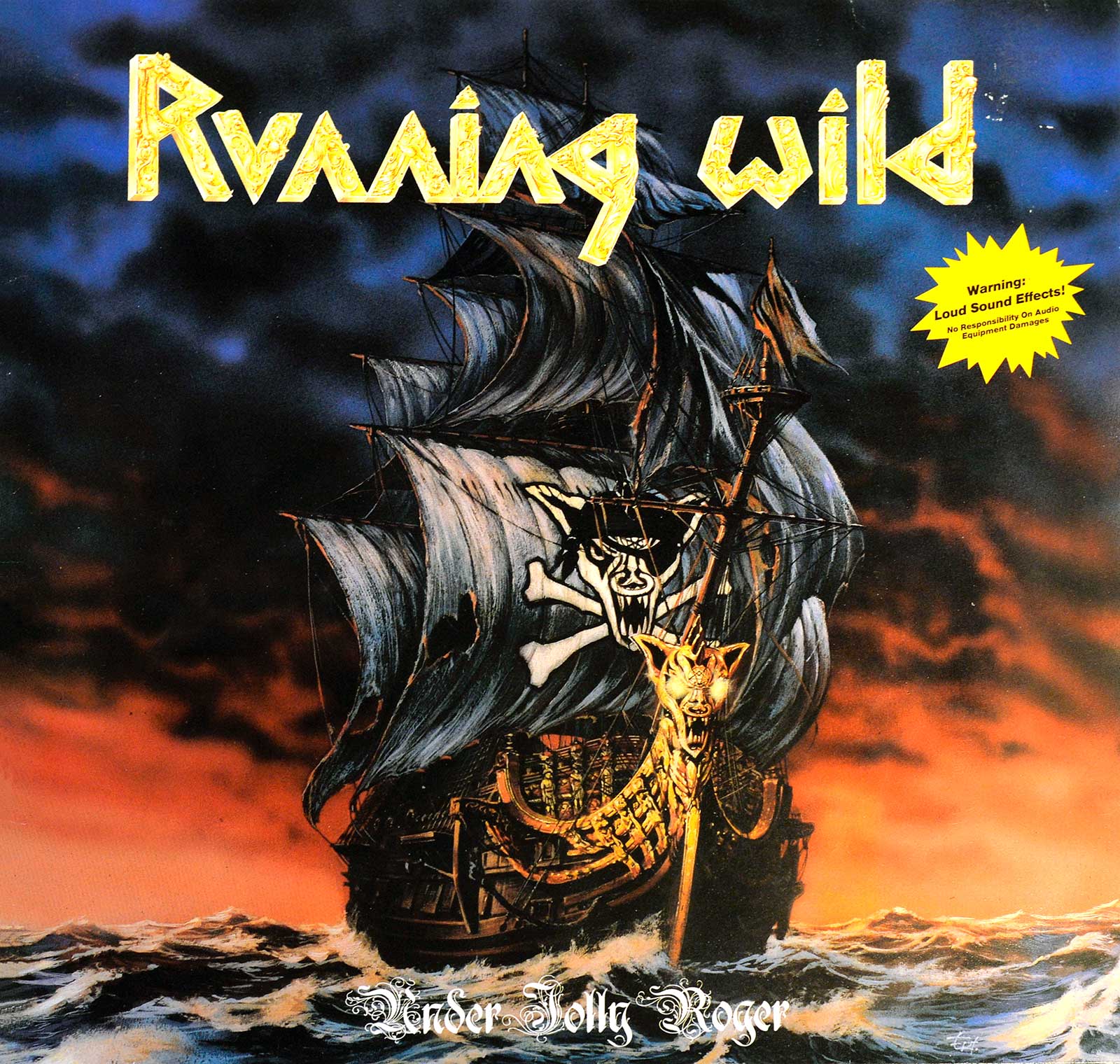
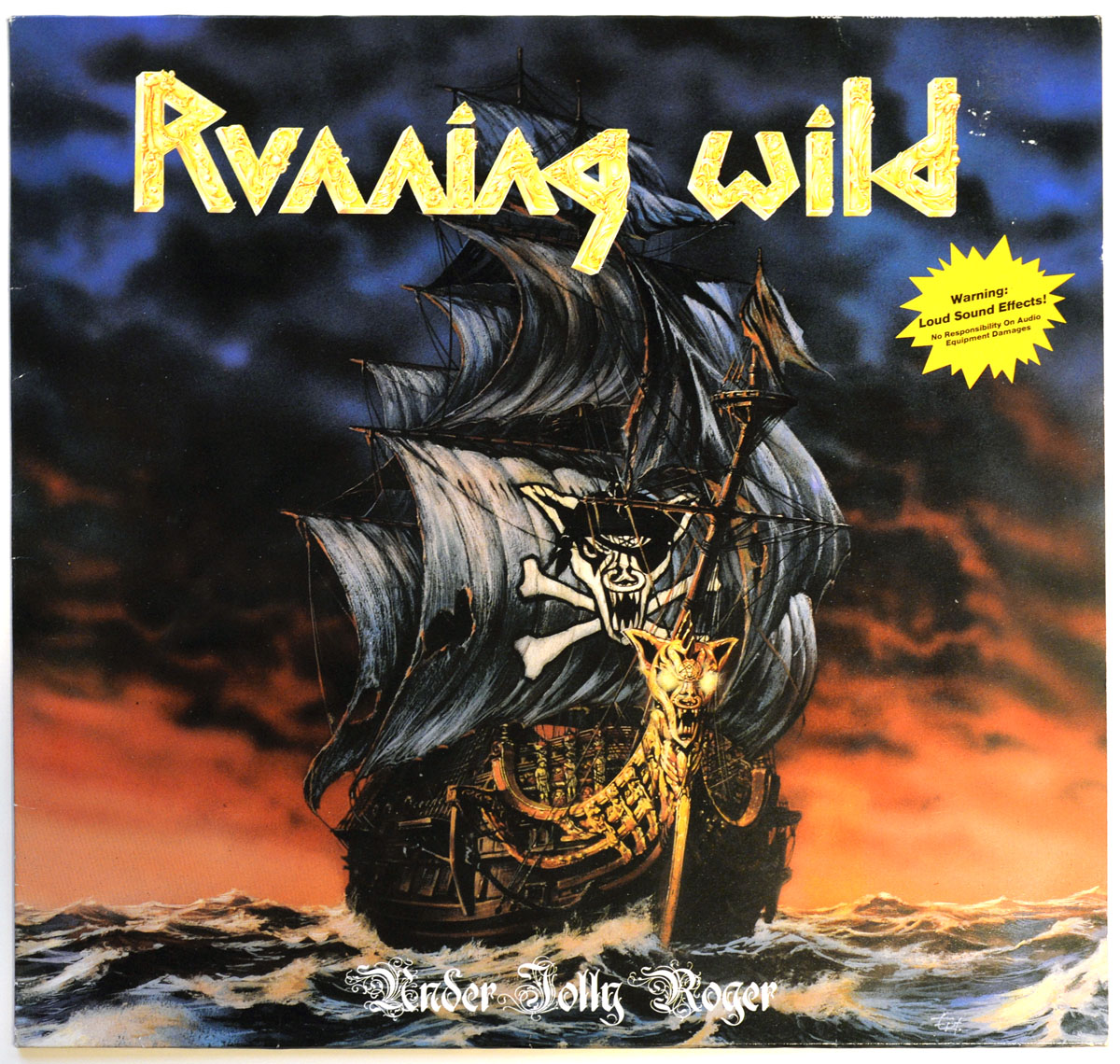
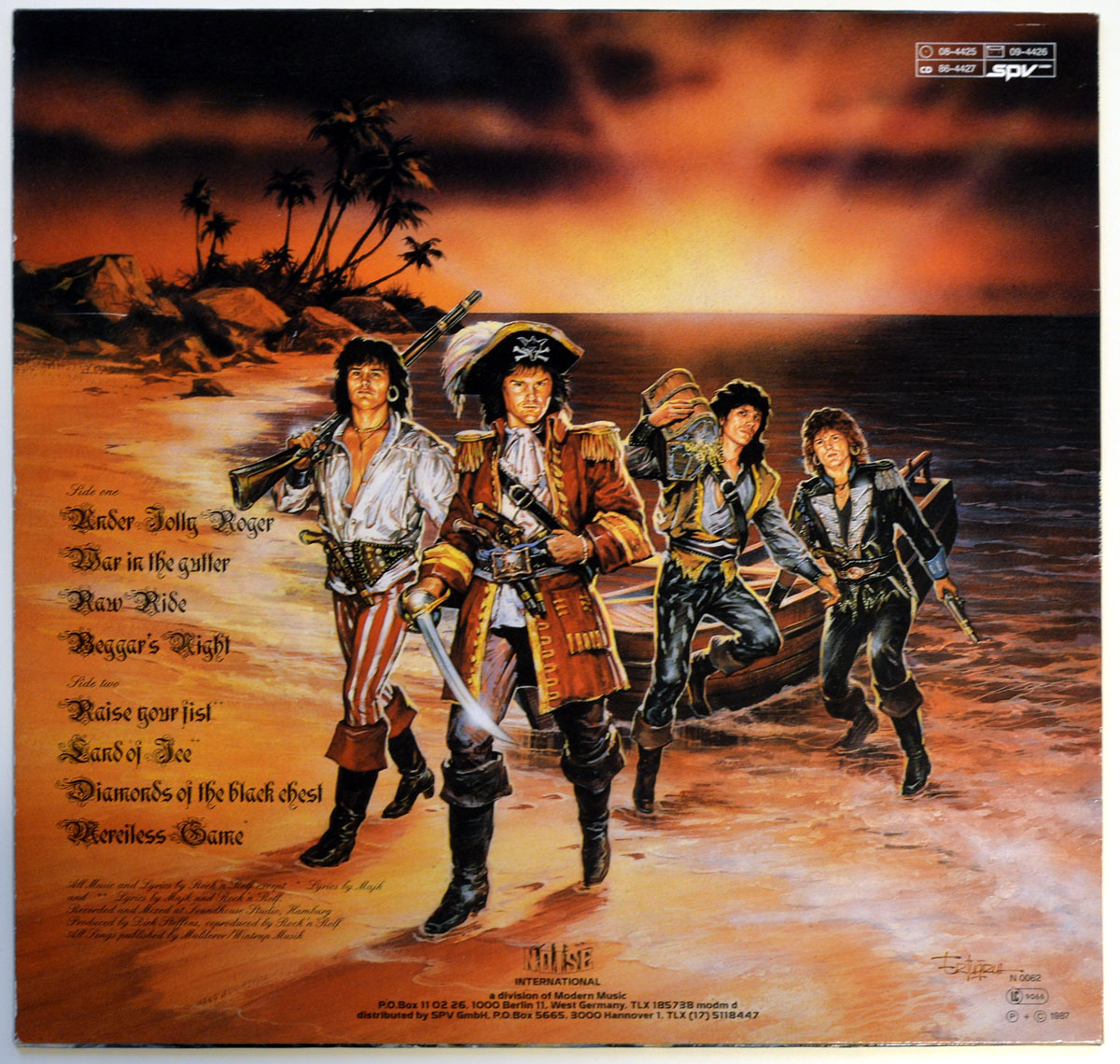
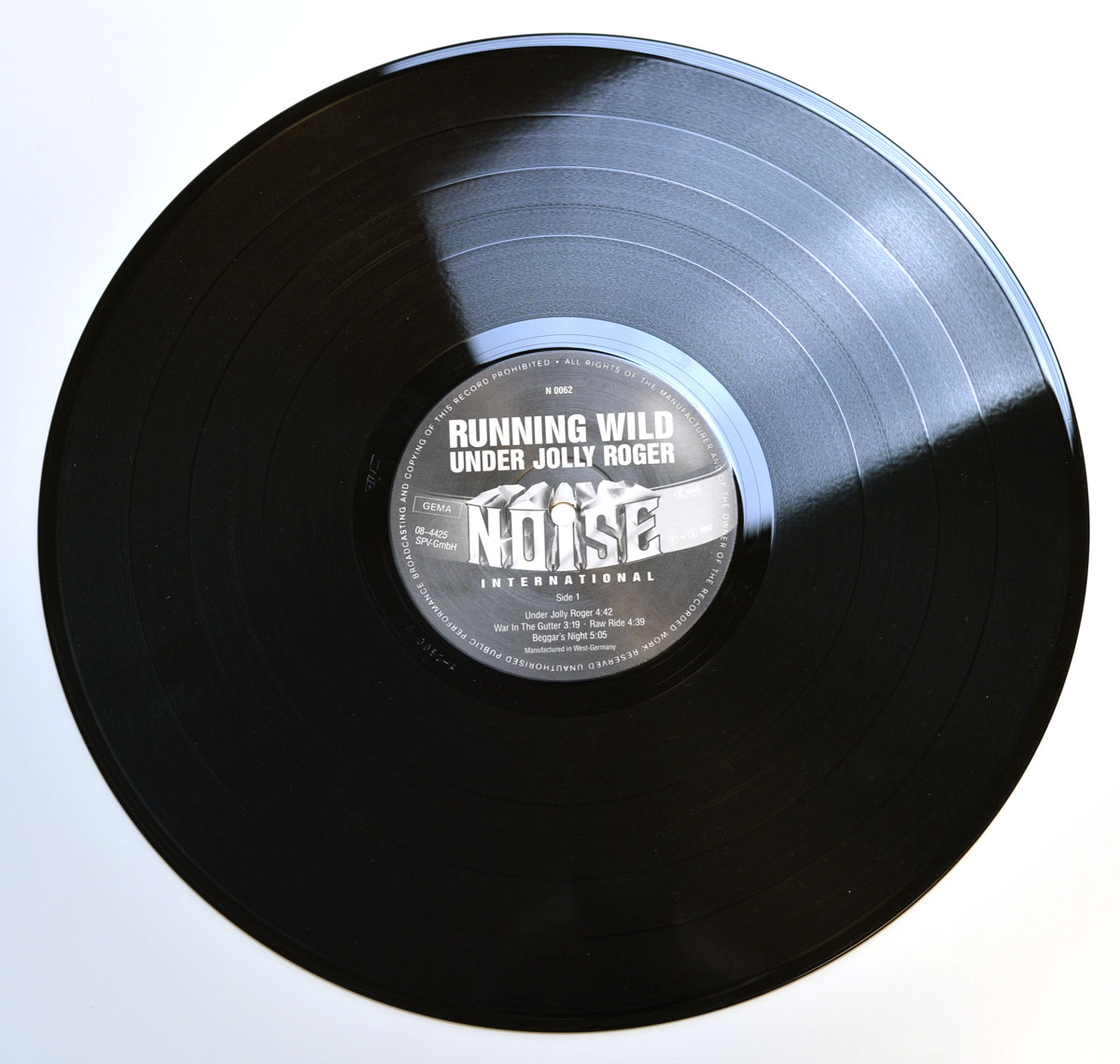
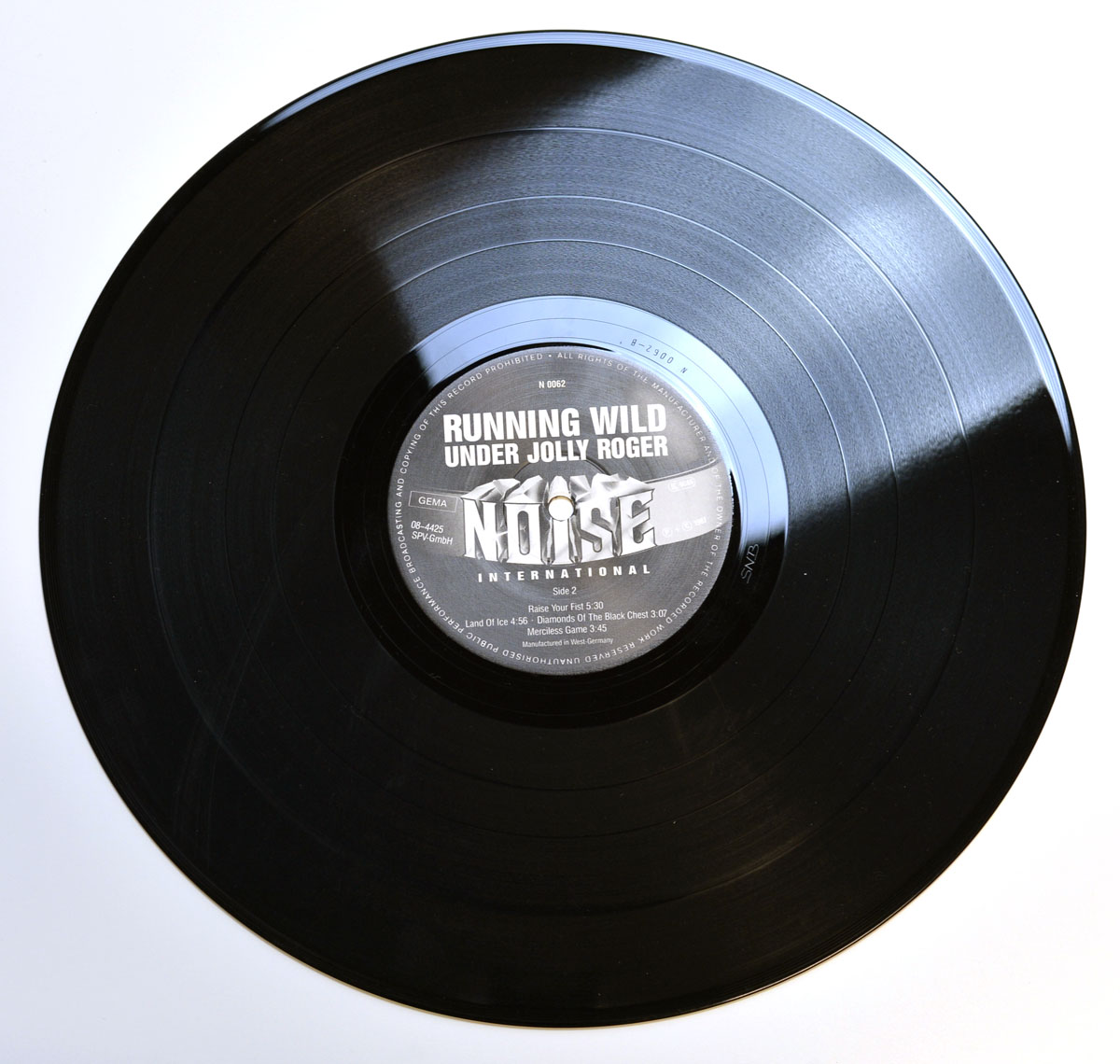
RUNNING WILD - Under Jolly Roger 12" Vinyl LP Album
- Noise Records, This is world's first Pirate Metal album.
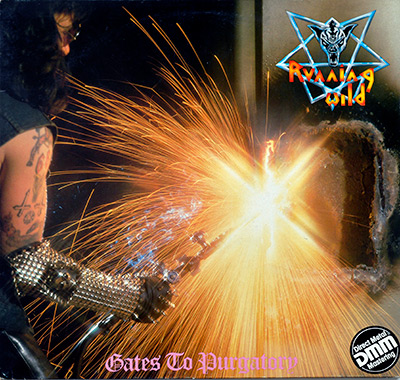
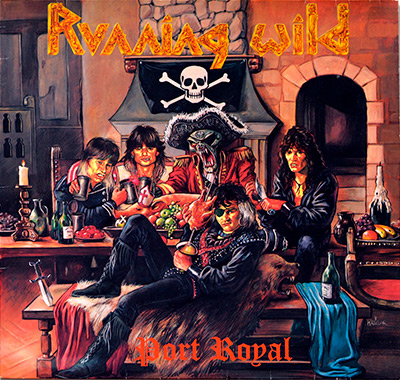
"Running Wild" is one of the German power metal bands to emerge in the early/mid 1980s (along with Helloween, Gamma Ray, Rage, Blind Guardian, Grave Digger, EdGuy, etc). The band has carved its niche in the metal world as the first "pirate metal" band, a theme which took off with the release of this album "Under Jolly Roger"