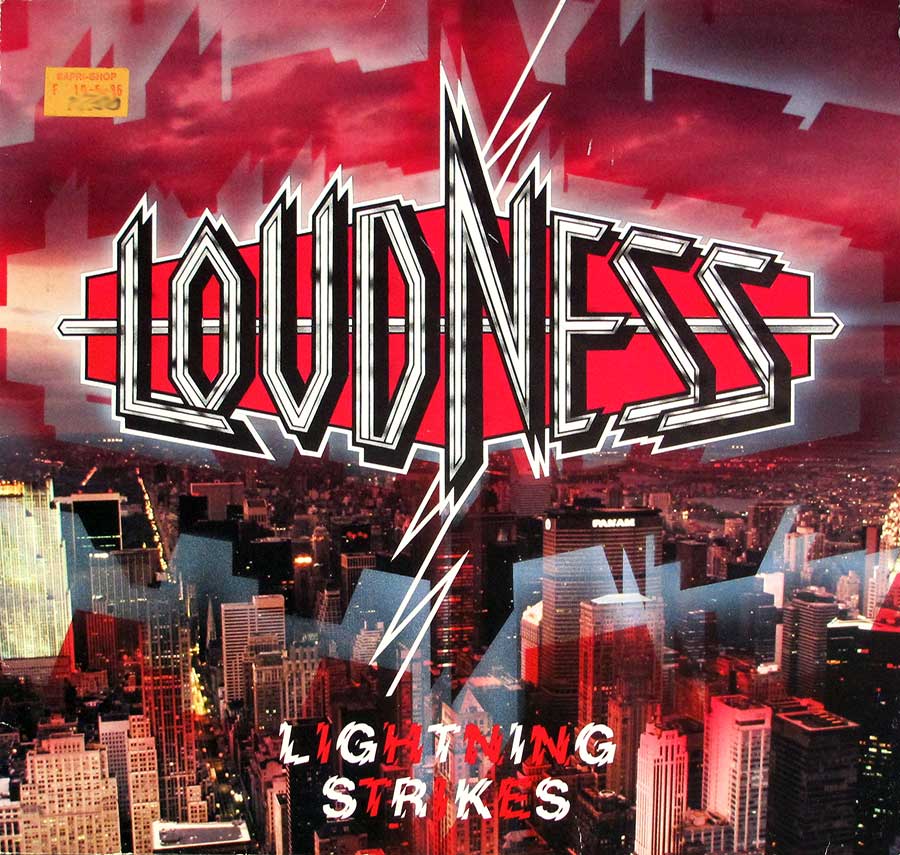
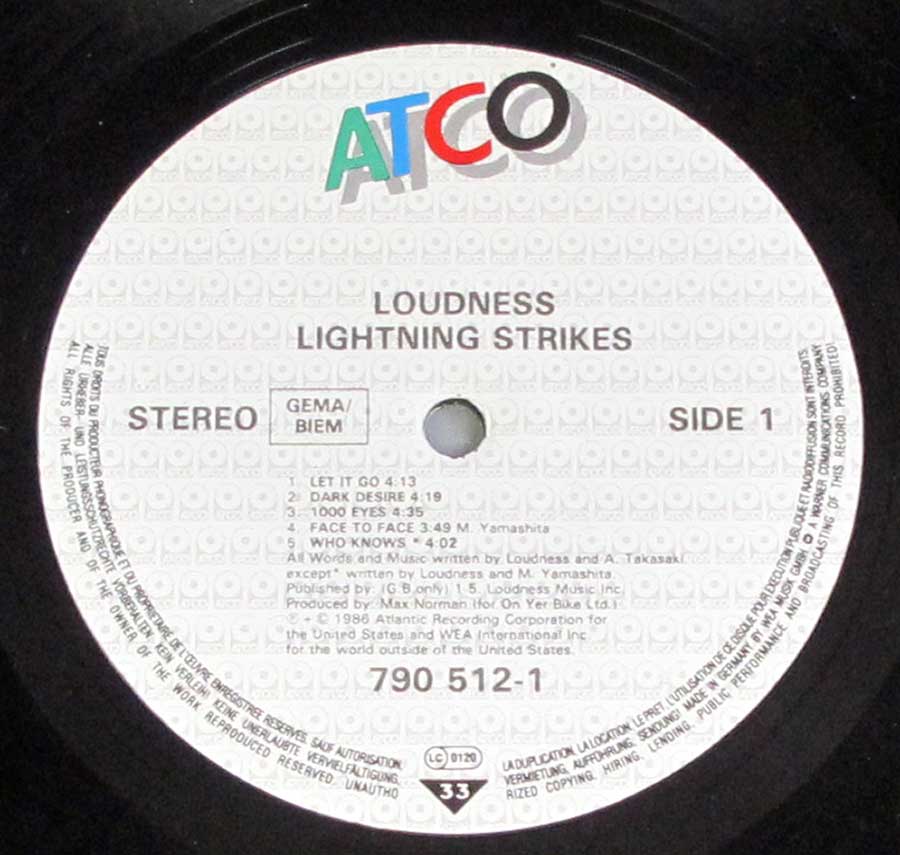
In the vibrant year of 1986, a thunderous force from Japan struck the global metal scene. Loudness, a band that had already made its mark in the East, unleashed their sixth studio album, "Lightning Strikes," venturing into the western market with a bolt of sonic energy.
This album arrived at a pivotal time in heavy metal history. The Sunset Strip was ablaze with glam metal's flamboyant excesses, and thrash metal was gaining momentum with its raw aggression. Loudness, however, carved their own path, blending traditional metal elements with their unique Japanese sensibility.
"Lightning Strikes" was a testament to Loudness' musical exploration. While retaining their signature heavy sound, the album incorporated elements of hard rock and even hints of commercial appeal. Songs like "Let It Go" and "1000 Eyes" showcased their ability to write catchy anthems, while "Ashes in the Sky" delved into darker, more complex territory.
This musical exploration wasn't without its controversies. Some critics accused the band of compromising their sound for the sake of commercial success, while others praised their willingness to experiment and evolve. Regardless of the differing opinions, "Lightning Strikes" ignited a passionate debate among metal fans.
Recorded at Sedic and Take One Studios in Tokyo, "Lightning Strikes" captured the raw energy and meticulous craftsmanship of Loudness. The band consisted of Minoru Niihara on vocals, Akira Takasaki on guitar, Masayoshi Yamashita on bass, and Munetaka Higuchi on drums. Each member contributed their unique talents, creating a sound that was both powerful and refined.
At the forefront of Loudness was their charismatic frontman, Minoru Niihara. His powerful vocals, ranging from soaring highs to gritty lows, were a defining feature of the band's sound. Niihara's stage presence and passionate delivery further solidified his status as a metal icon.
"Lightning Strikes" was a defining moment in Loudness' career. It marked their bold foray into the western market and solidified their position as pioneers of Japanese heavy metal. While the album sparked controversy, it ultimately showcased Loudness' musical evolution and unwavering commitment to their craft.