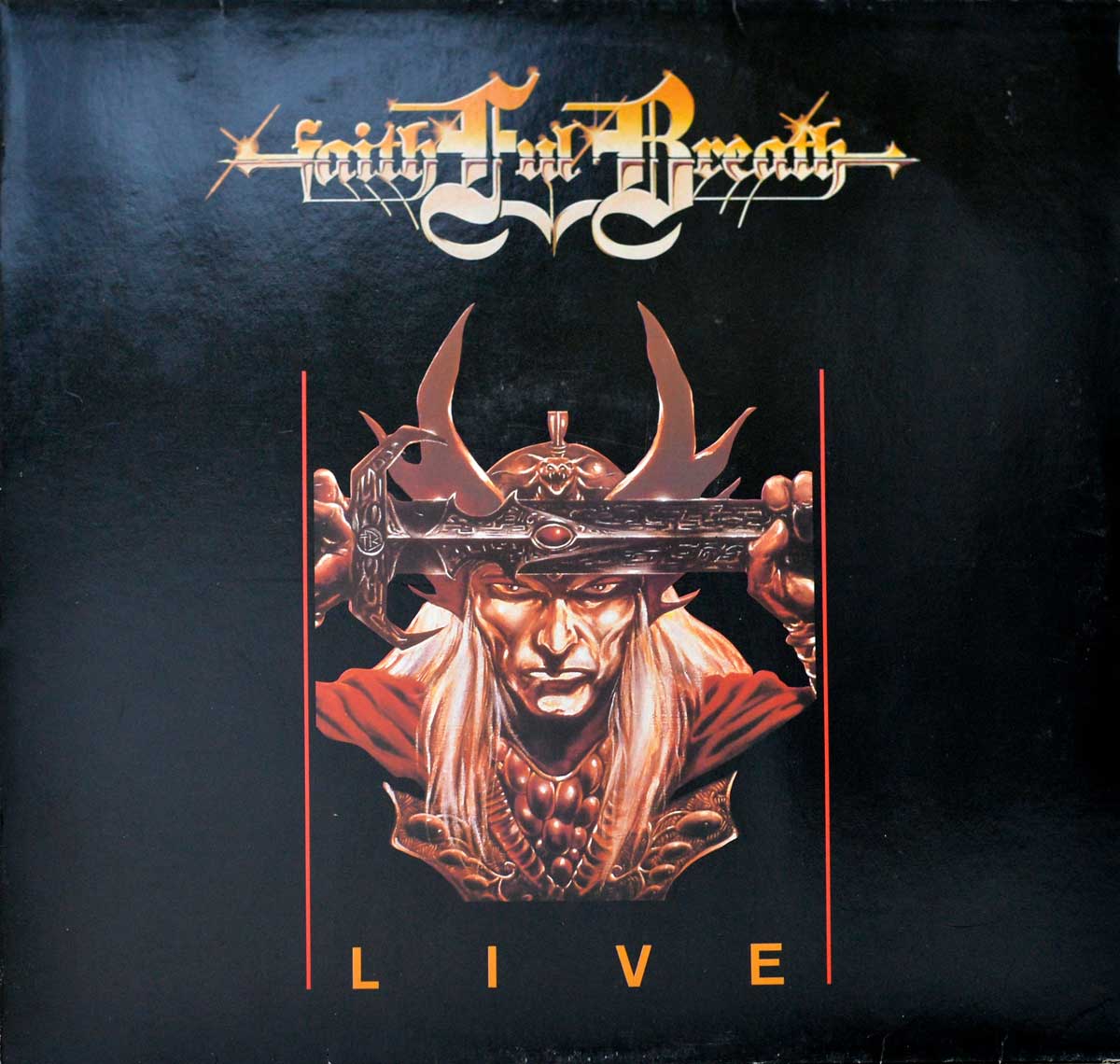
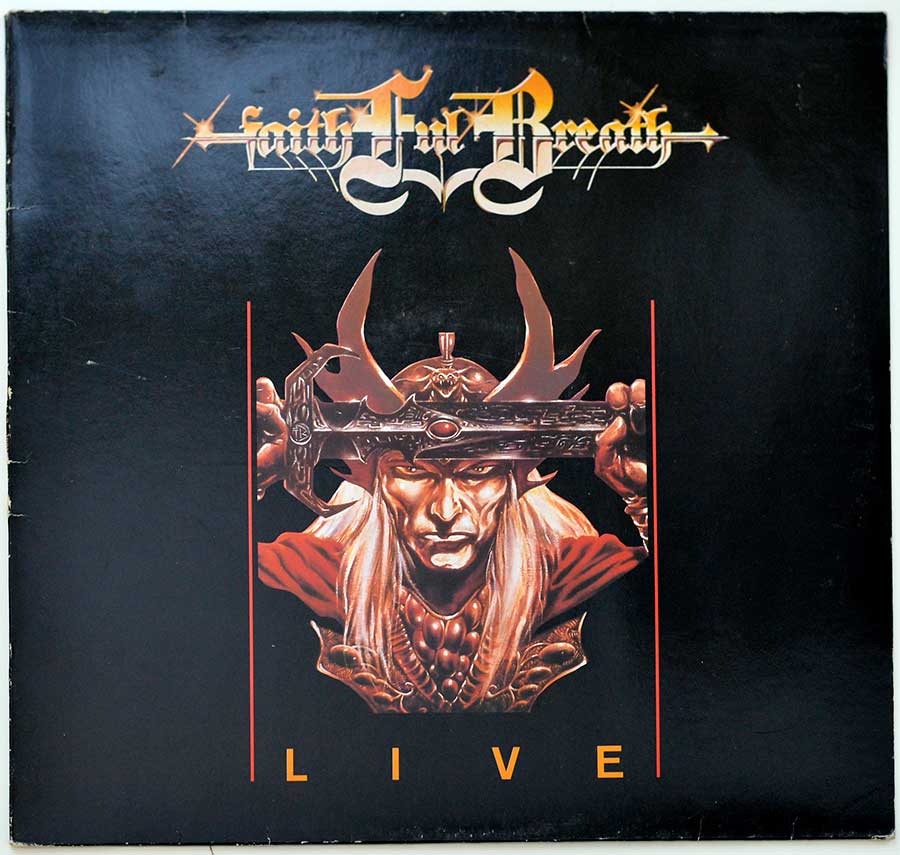
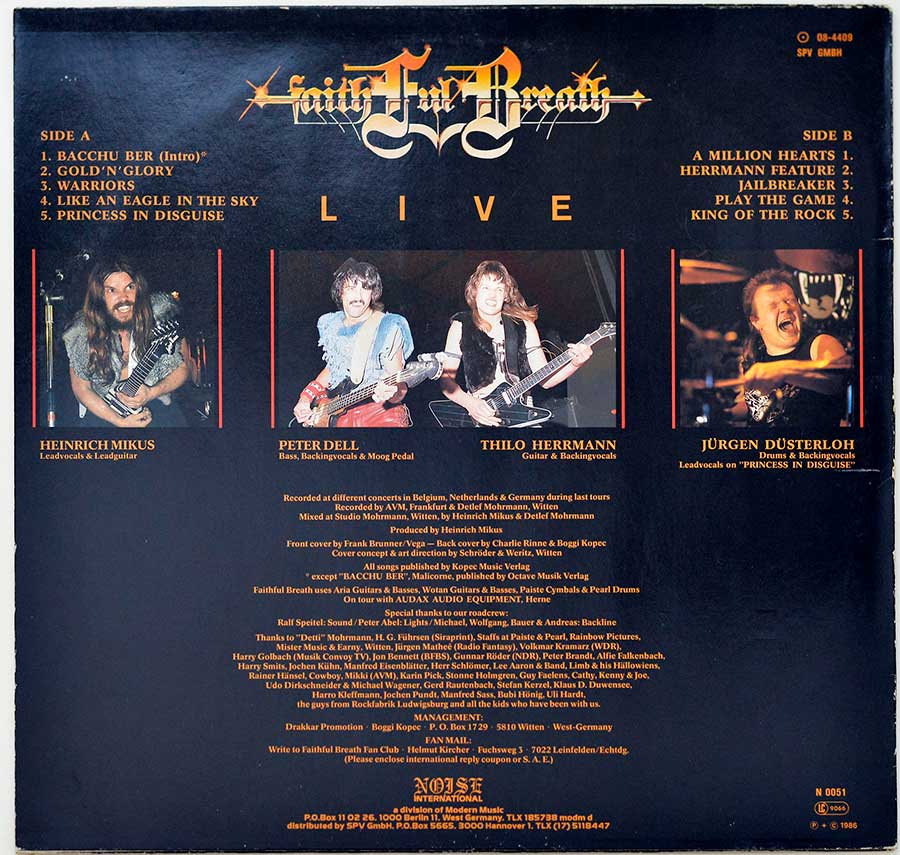
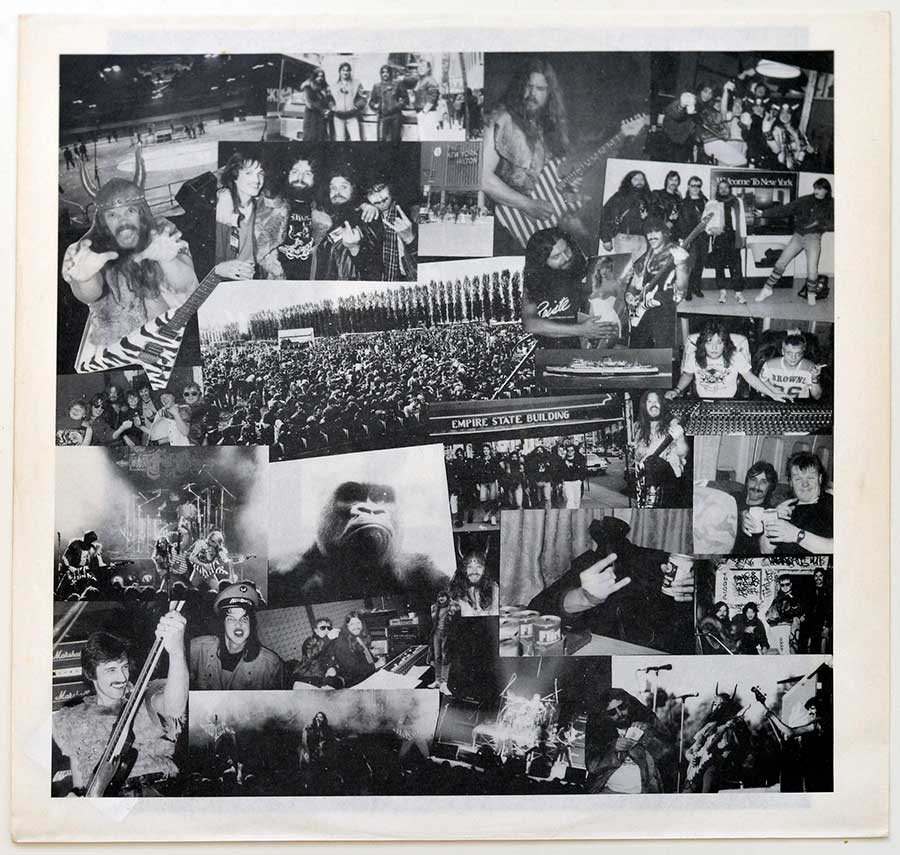
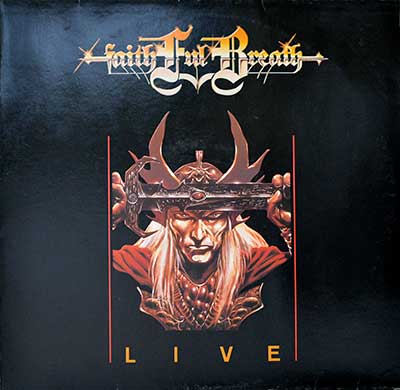
As the '70s turned into the '80s, Germany's Faithful Breath had already been through the crucible of heavy rock evolution. Starting as a band with aspirations steeped in the ashes of prog rock and finding their way through the dimly lit tunnels of early metal, this group was a living fossil — each year pressing them further into a hard rock and proto-metal core. With their "Live" album, they churn out a muddy, raw performance that acts like a ritual, almost as if they’re exorcising the ghosts of a decade’s worth of worn-out sounds. Released at a time when the '80s metal scene was on the brink of full-blown thrash and speed metal fever, Faithful Breath clung to the ethos of big, thunderous riffs, Viking-styled bravado, and a sound soaked in the spirit of straightforward, no-bull rock.
The Musical Exploration: Bridging Prog Rock and Power Metal Roots
The "Live" album is a sprawling beast, a heavy, powerful barrage of sounds that feel far removed from the slick, razor-sharp metal production fans would soon come to expect. Faithful Breath’s music lies somewhere between the galloping rhythms of Iron Maiden and the sonic ferocity of Judas Priest, yet retains its own uniquely Germanic, blunt-force approach to rock. By 1984, they were morphing from a progressive band into a heavier, power-laden sound, and their live performances took on the character of a Viking raid.
This album captures that transformation, with tracks that seem to relish their chaotic blend of hard rock, proto-metal, and even a touch of glam’s grandiosity. The guitars are thick with power chords, each riff laying down a foundation as solid as granite, while the drums pound with a deliberate, almost militaristic intensity. There’s no studio polish here; every note reeks of sweat, muscle, and the brutal honesty of an unfiltered performance. It’s music meant to be loud and wild, with each song crafted like a war anthem.
Genre Dynamics: A Transition Through Heavy Landscapes
Faithful Breath’s journey is unique, one foot in the progressive rock past and the other stepping into the oncoming storm of power metal. Their transition from prog rock’s thematic complexity to the unforgiving simplicity of heavy metal’s hammer-and-anvil rhythm was a battle in itself. The "Live" album is where this shift feels visceral, a relentless quest for power and impact over complexity or innovation. Faithful Breath was not setting out to break new ground here; they were reinforcing the borders of a territory they’d conquered through sheer force of will.
The album itself bears the gritty, raw quality of a heavy metal experience that feels authentic and lived-in. With tracks that feature aggressive guitar solos, thunderous drumming, and an attitude that’s both gritty and slightly tongue-in-cheek, they’re on the edge of creating something new while clutching to their classic rock influences with defiance. While it didn’t embody the speed and fury of early thrash, "Live" had enough grit to serve as a precursor, capturing the tense moment before metal would explode into a new decade’s soundscape.
Controversies and the Rough Edge of Image
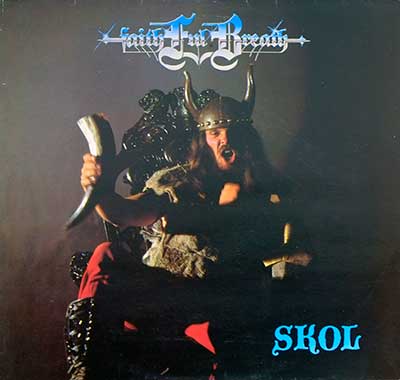
By the time "Live" hit the shelves, Faithful Breath had already developed a reputation for their unapologetically macho image. Decked out like Viking raiders in helmets and furs, they fully embraced a look that many saw as over-the-top, if not a little kitschy. This was at a time when metal’s image was becoming as crucial as the music itself, and the band’s commitment to this almost mythological identity divided fans and critics alike. To some, it was a refreshing departure from the glam look; to others, it was a laughable gimmick. But Faithful Breath didn’t care about approval—they were here to rock, and they were ready to look the part while doing it.
The Production Team and Recording Studio Grit
The "Live" album's production is as raw as they come, a testament to the era before heavy metal became enveloped in over-production and polish. The album’s production team worked with bare-bones recording techniques, capturing every imperfection, every moment of unfiltered energy. The album was likely recorded in a straightforward, no-frills studio setting, avoiding the elaborate overdubs and effects that had begun creeping into metal productions. The result is a visceral listening experience, the kind of raw sound that makes you feel like you’re in the crowd, pressed shoulder-to-shoulder with leather-clad fans, with beer sloshing around and the whole place vibrating with energy.
Band Member Gossip and Line-up Drama
Behind the scenes, Faithful Breath had its fair share of drama, too. With their lineup changing over the years, there were rumors and whispers about internal clashes, the usual rock ’n’ roll squabbles that can make or break a band. Vocalist Jürgen "Molli" Moll and guitarist Heinz Mikus were the pillars of the group, the steadfast duo who navigated the stormy seas of the band’s stylistic changes. But others weren’t so lucky. Members came and went, leaving in a haze of rock ‘n’ roll gossip. The tensions added an edge to their performances, infusing the music with the raw energy of a group that’s constantly shifting, always uncertain of what’s next.
The "Live" album captures Faithful Breath at a time of transformation, and you can almost hear the strain of a band pushed to the edge. Every solo, every guttural scream feels like it’s borne out of this inner turmoil, as if each member knows that they’re on the cusp of something big but uncertain if they’ll make it through in one piece.