Pat Travers: A Blues-Rock Maverick Blazing Through the 70s and 80s
Album Description:
Pat Travers was never the polite kind of guitarist. He’s the guy you put on when the room feels too clean, when the evening needs a little scorch on the wallpaper. I still picture that late-70s Polydor spine in the racks: not a fashion statement, just a warning label.
Born in Toronto on April 12, 1954, he grabbed a guitar young and then did the worst possible thing for a normal life: he saw Jimi Hendrix in Ottawa at about twelve. After that, “reasonable goals” tend to die quietly in the corner. He started working bands early, grinding it out the way Canadian club circuits teach you: play hard, play loud, and don’t wait for permission.
Mid-70s, he goes to London and signs with Polydor. London rain, London studios, London deadlines. In 1976 the self-titled "Pat Travers" shows up and it already has that no-nonsense bite: blues-rock bones, hard-rock muscle, and a guitarist who sounds like he’s trying to pry the ceiling loose.
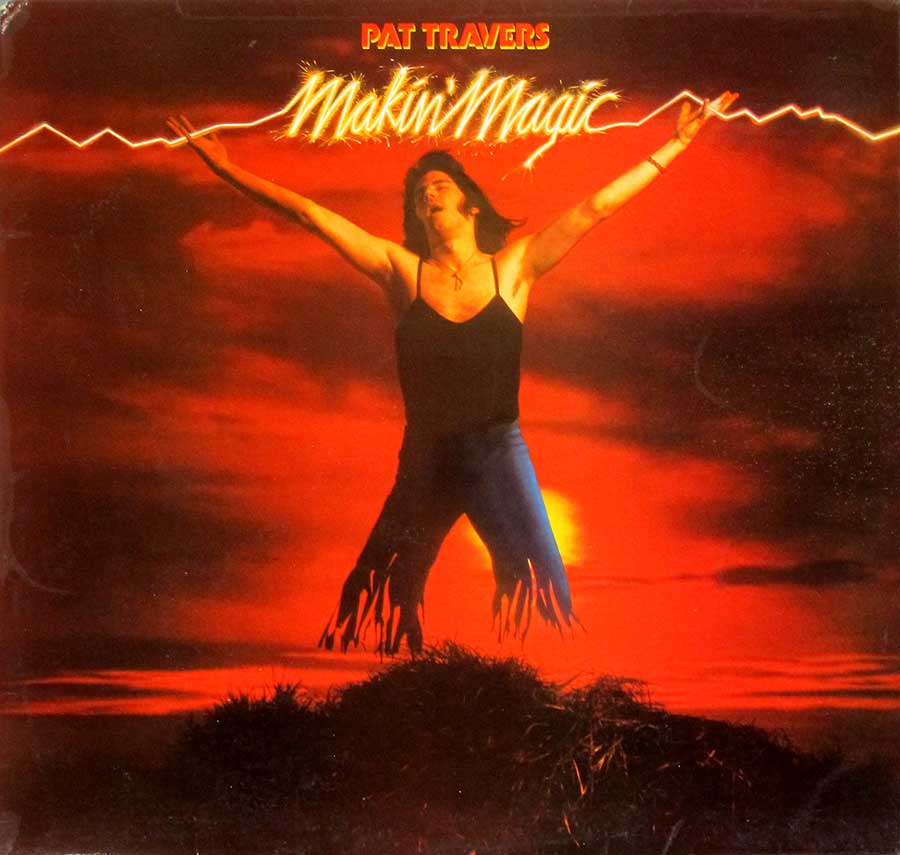
People love to act like fame happens in one clean step. It didn’t. The 1977 albums "Makin' Magic" and "Putting It Straight" sharpened the attack, sure, but the real “okay, this guy is a problem” moment came when the band hit its stride and started sounding like a touring machine instead of a studio project.
By "Heat in the Street" (1978), the Pat Travers Band feels locked-in: two guitars that jab and answer each other, bass that pushes, drums that don’t ask politely. And then the live record lands — "Live! Go for What You Know" (1979) — the one that turned “Boom Boom (Out Go the Lights)” into a crowd-chant and basically tattooed the song onto classic rock radio for the next several geological eras.
Touring? Yeah. Relentless. There are documented dates where Pat Travers Band supported Rush on the A Farewell to Kings run (“Drive til You Die”), which makes perfect sense: both bands had that late-70s hunger, the kind where the amps do most of the talking.
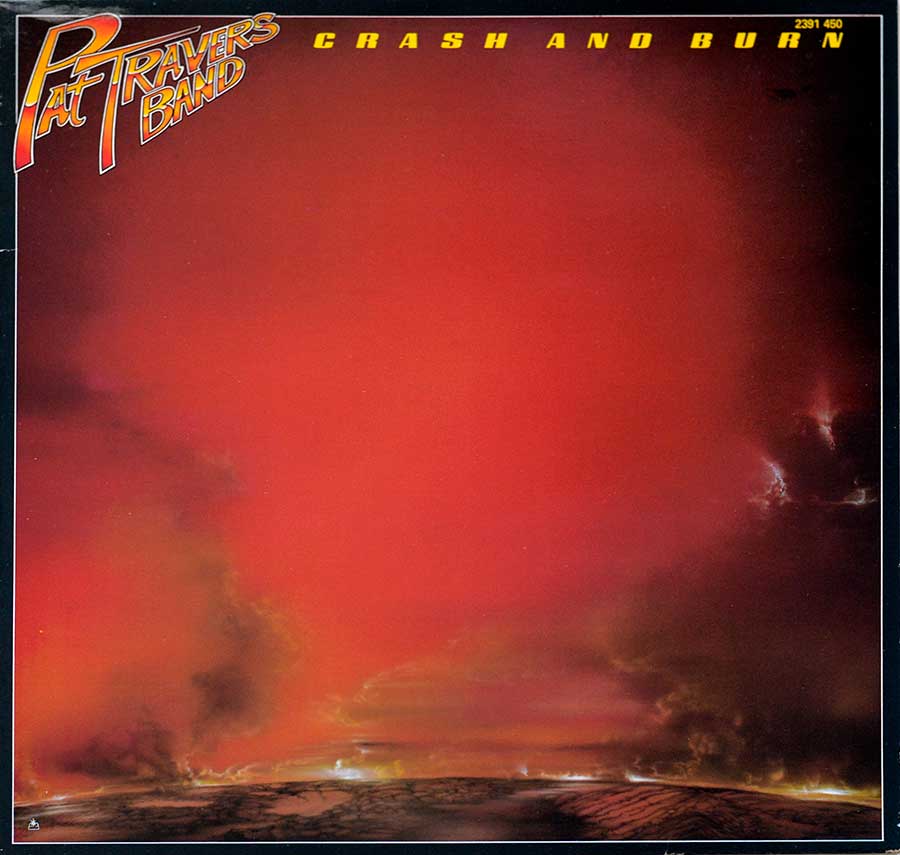
The early 80s is where Travers splits the difference between staying himself and surviving the era’s bad haircut decisions. "Crash and Burn" (1980) is a real road-dog record, and “Snortin’ Whiskey” has that bar-fight bounce that either makes you grin or makes you roll your eyes — depends how allergic you are to good-time filth. "Radio Active" (1981) follows, a little more “radio-minded,” a little more polished, but still Travers at the core: he doesn’t glide, he lunges.
Did he “pivot to new wave”? Not in any way that would fool a living person. The decade changed, the charts got shinier, and Travers kept doing the one thing he actually believed in: hitting the road and playing like tomorrow’s not guaranteed. I respect that stubbornness. I also reach for the late-70s/live stuff first, because that’s where the sweat and danger live.
He’s a rock survivor, sure — but not the inspirational-poster kind. More like the guy still standing by the backline, checking the tubes, doing the work. If that doesn’t sound glamorous, good. It isn’t. And that’s the point.
References
- Pat Travers - Official biography (PatTravers.com)
- Discography - Official discography list (PatTravers.com)
- Pat Travers (bio, timeline, touring notes) - Wikipedia
- "Live! Go for What You Know" (release info, track context) - Wikipedia
- AC/DC tour history entry noting Pat Travers as opener (fan archive)