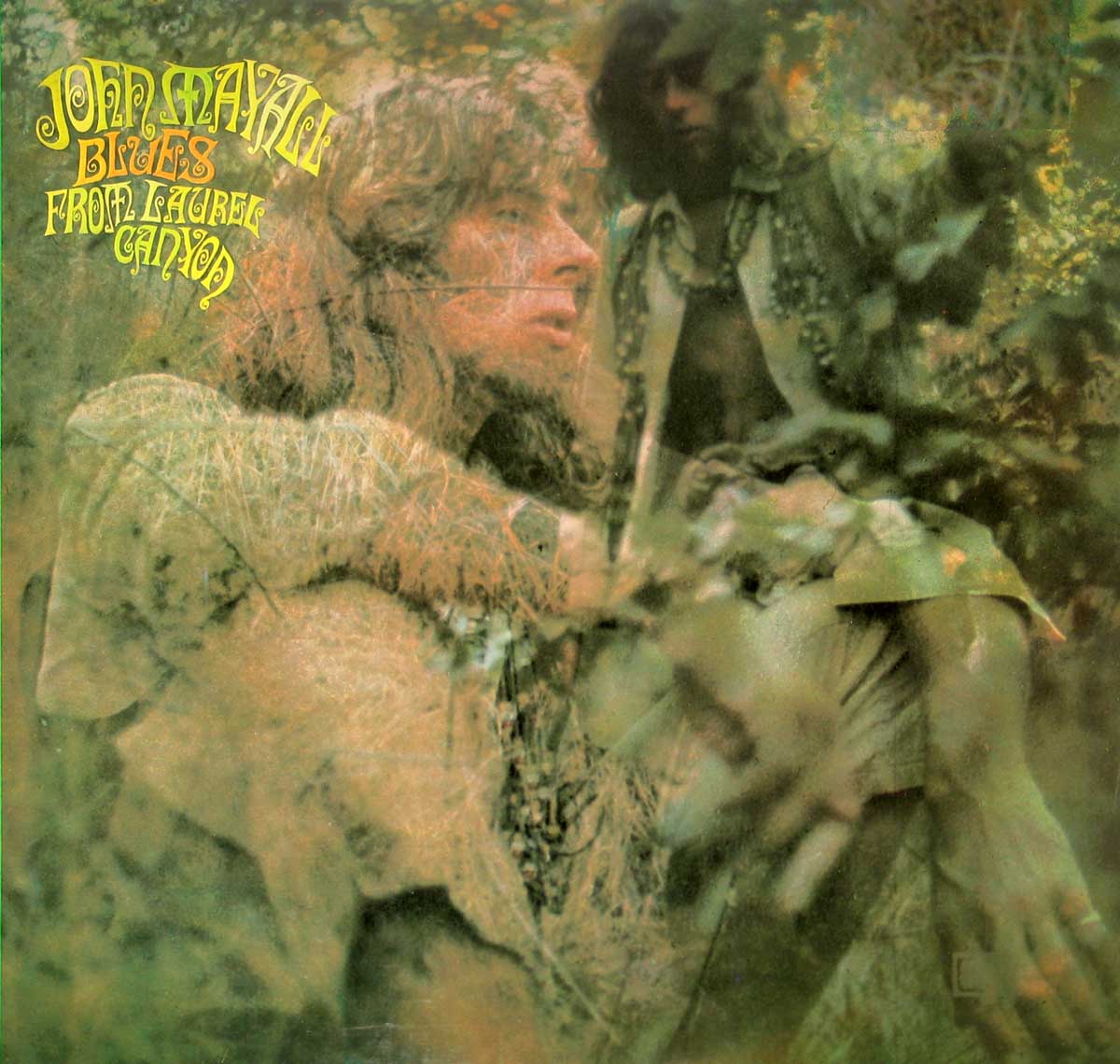
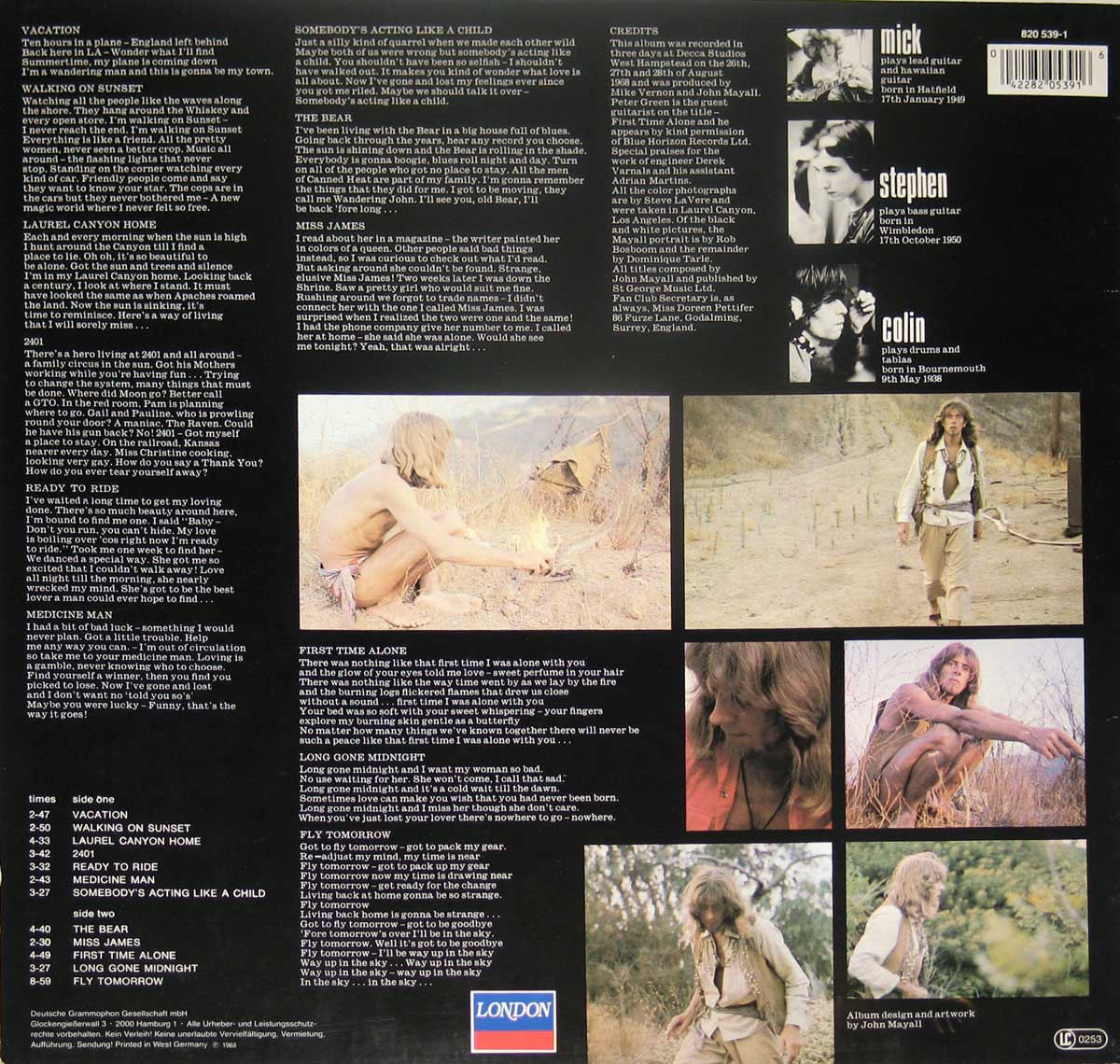
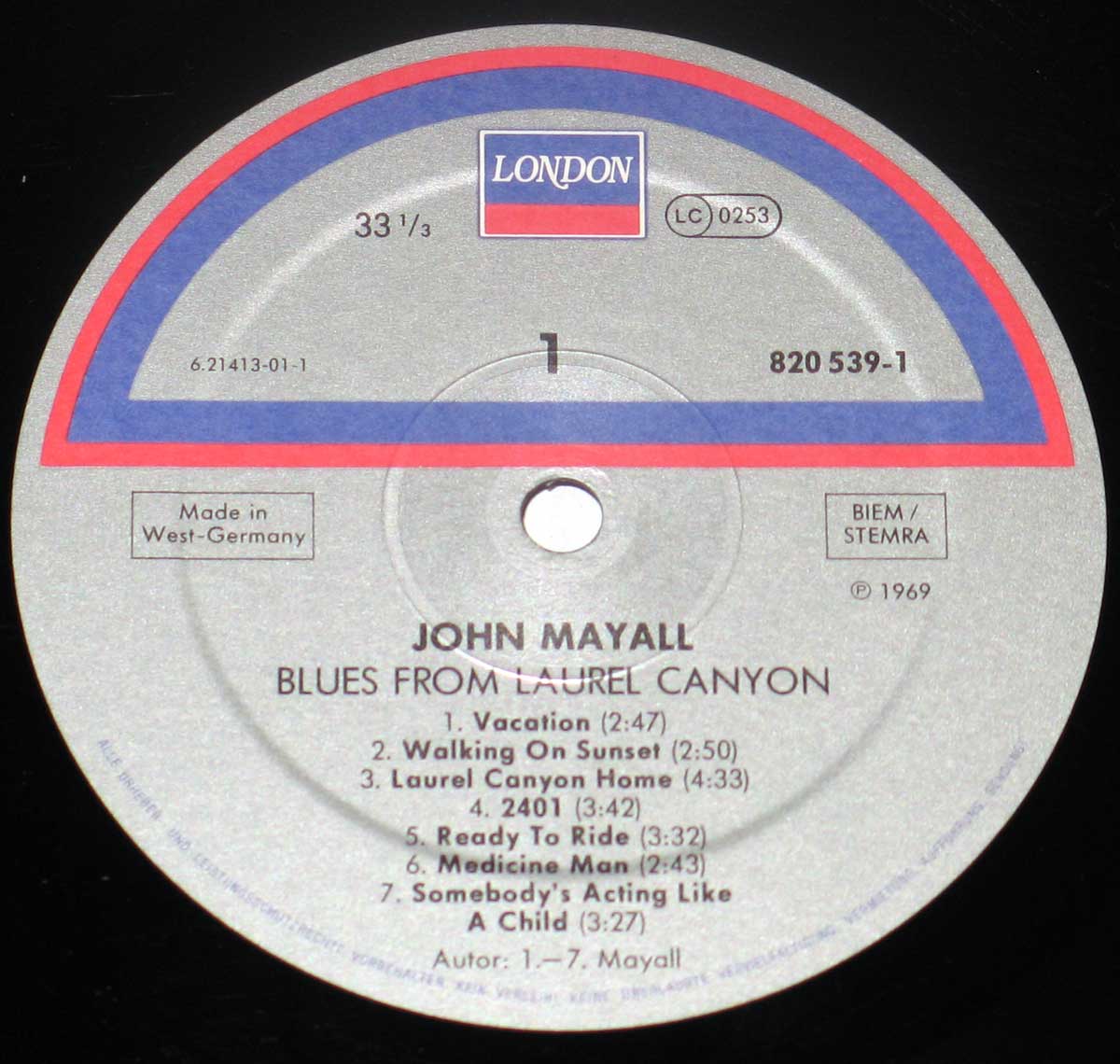
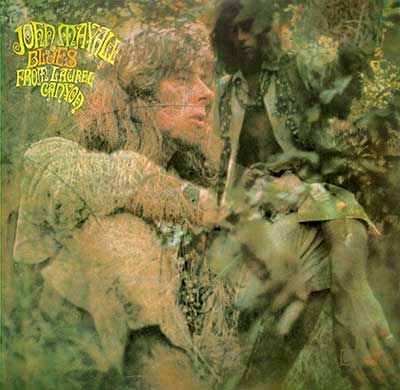
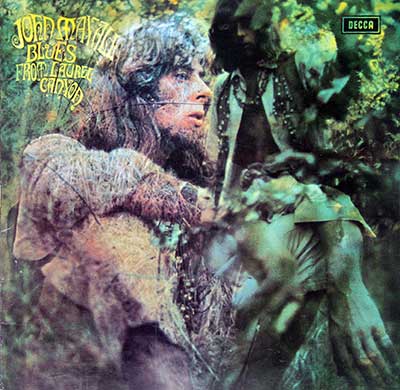
"Blues From Laurel Canyon" (1969) Album Description:
I always hear this album as John Mayall deliberately stepping off the well-lit British blues stage and walking straight into the California sun. "Blues From Laurel Canyon" captures a moment where Mayall stops being the curator of other people’s guitar heroes and becomes the narrator of his own life, mid-transition, mid-culture shock, mid-reinvention. It’s not about proving anything anymore; it’s about documenting a headspace.
John Mayall at a crossroads
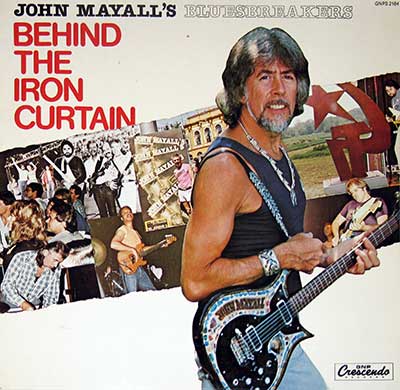
By 1968, Mayall had already built and burned several legendary lineups, and the Bluesbreakers era had run its course. Laurel Canyon offered distance from the British blues treadmill and freedom from expectations. This record is what happens when a restless mind relocates, listens more than it talks, and starts writing songs that feel lived in rather than designed.
The world outside the studio
The late sixties were loud, political, psychedelic, and slightly unhinged, especially in California. Laurel Canyon wasn’t just a place, it was a mood board of long nights, open doors, and musicians borrowing ideas from each other without asking permission. Against that backdrop, Mayall’s blues loosened up, absorbed the West Coast air, and stopped clinging to tradition for safety.
How this record came together
Recorded quickly and without overthinking, the album feels like a journal set to tape. Mayall surrounds himself with musicians who could listen as well as play, letting songs stretch when they needed space and pull back when the story mattered more than the solo. The production stays grounded, never flashy, because the point was clarity, not spectacle.
The sound and its strange confidence
This isn’t Chicago blues cosplay and it isn’t full psychedelic drift either. Acoustic guitars sit comfortably next to electric runs, rhythms sway instead of punch, and Mayall’s voice sounds conversational, almost relaxed. Tracks like the title piece and “The Bear” feel like postcards written at 3 a.m., equal parts affection and observation.
Standing next to its peers
Compared to heavier British blues records of the same period, this album refuses to shout. While others were turning amps up and digging deeper into volume wars, Mayall leaned into narrative and atmosphere. It shares DNA with contemporaries exploring roots and reflection, but it stays unmistakably his, grounded in blues discipline.
Reactions and raised eyebrows
Some listeners wanted the old battle-hardened Bluesbreakers sound and didn’t get it. A few called it soft, others called it unfocused. Those reactions miss the point. This was never meant to be a crowd-pleaser; it was a personal snapshot, and snapshots don’t owe anyone drama.
Band chemistry without the spotlight fight
What stands out is the lack of ego wrestling. No one is trying to steal the frame. The playing supports the songs instead of competing with them, which gives the album its unusual calm. It feels collaborative in a human way, like musicians trusting each other to leave space.
Then, now, and the long echo
At release, it confused some fans and quietly impressed others. Decades later, it reads like a hinge in Mayall’s career, the point where exploration replaced expectation. It hasn’t aged into nostalgia; it’s aged into honesty.
Closing the sleeve
Every time I return to "Blues From Laurel Canyon," it smells faintly of warm vinyl, late nights, and borrowed sunshine. It’s not the loudest Mayall record, not the flashiest, and definitely not the safest. That’s exactly why it still matters.