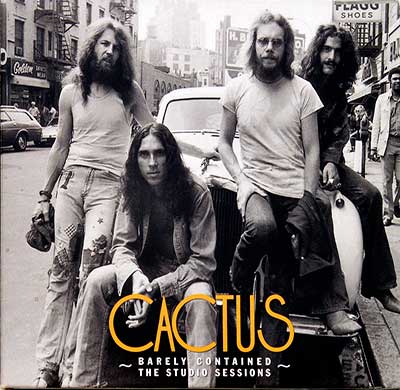
Carmine Appice - the New York bruiser who made hard rock drums sound like a street fight with swing. I first clock him in Vanilla Fudge (1966-1970), then he kicks the doors in with Cactus (1970-1971) and the super-trio Beck, Bogert & Appice (1972-1974). By 1976 he's in Rod Stewart's band (1976-1981), co-writing hits and proving chops can still smile. In the MTV years he fronts the kit for King Kobra (1983-1989; back again 2000-2001, 2010-present) and later Blue Murder (late 1988-1990). Offstage he even wrote the playbook - his Realistic Rock drum method became a rite of passage. Big hands, bigger backbeat - never polite, always loud enough to matter.
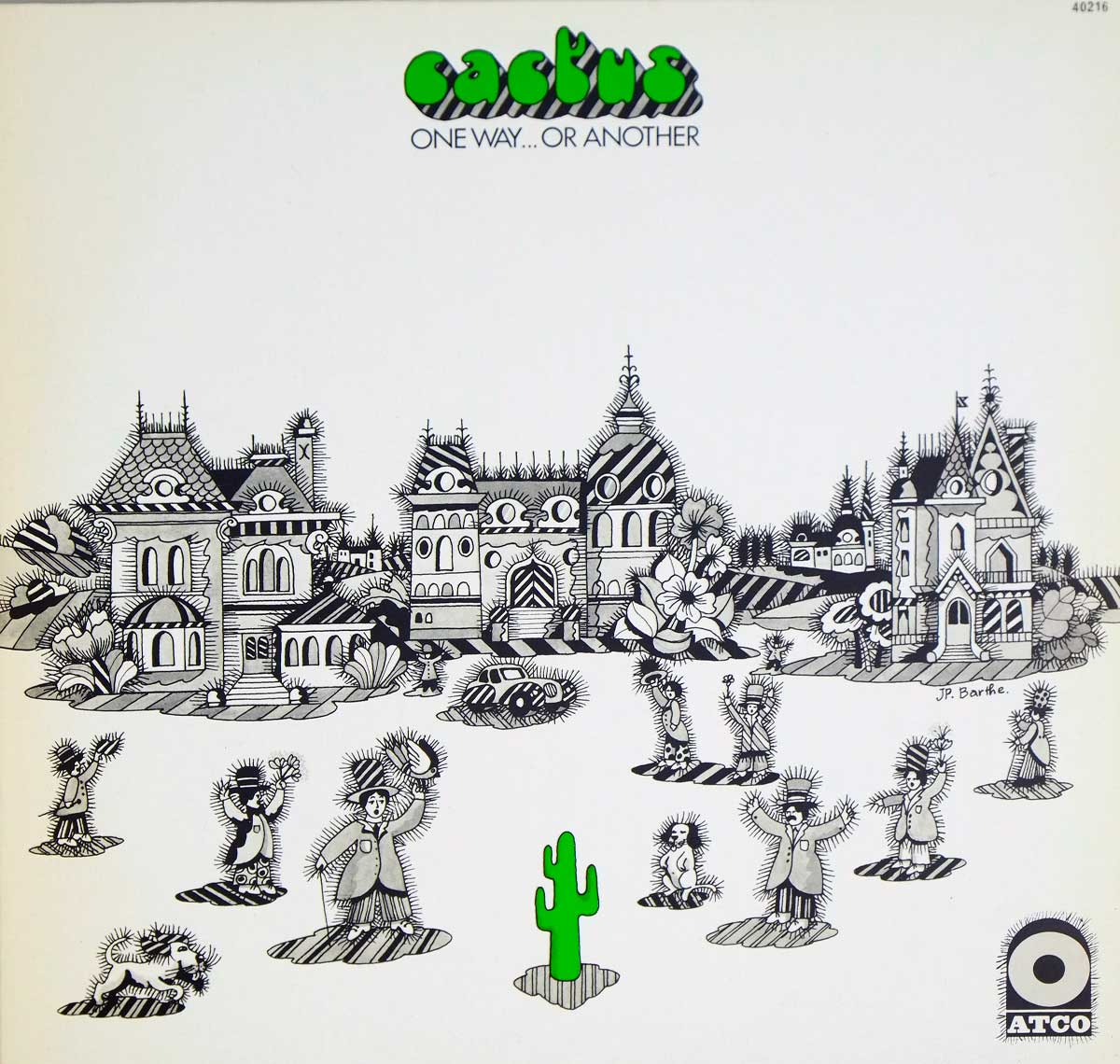
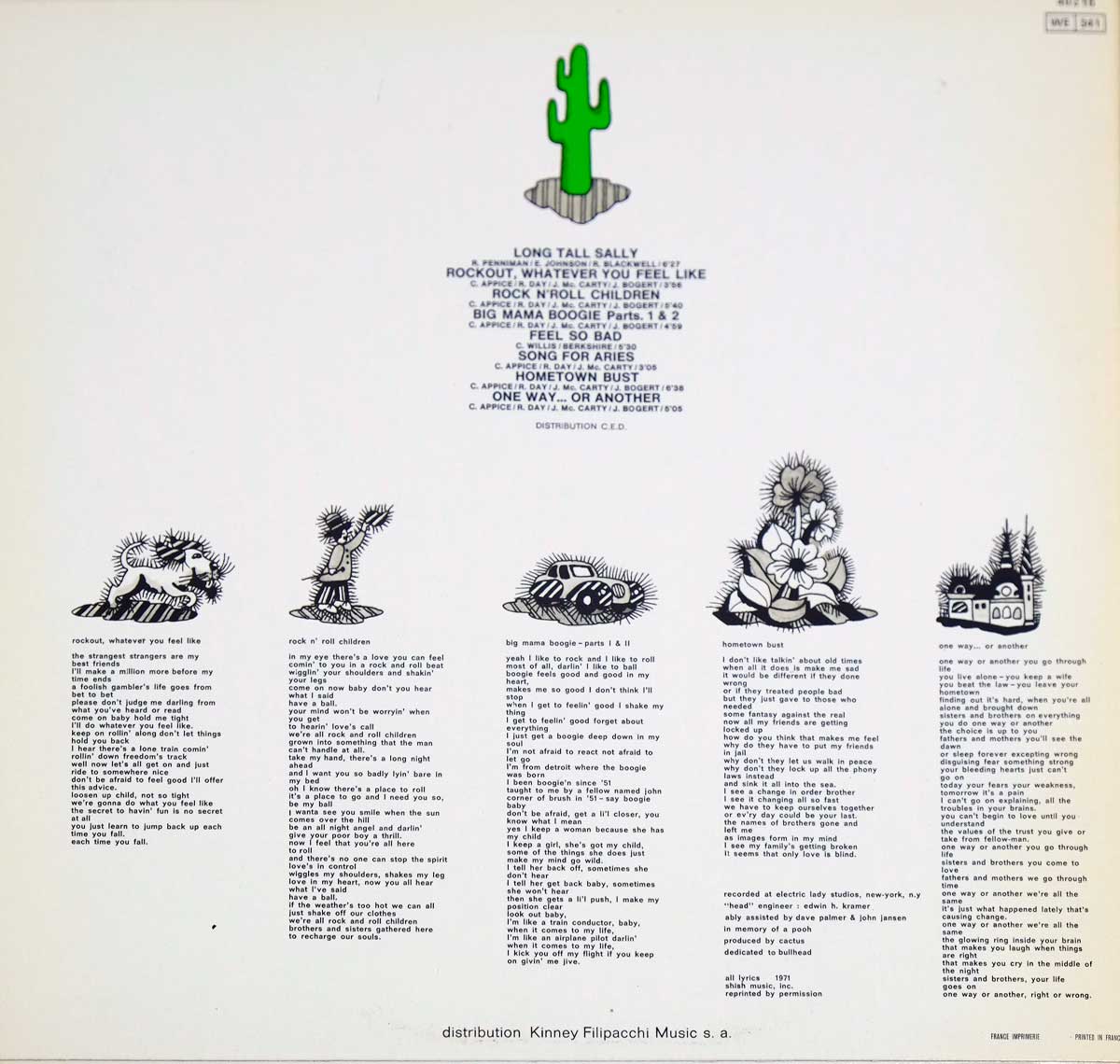
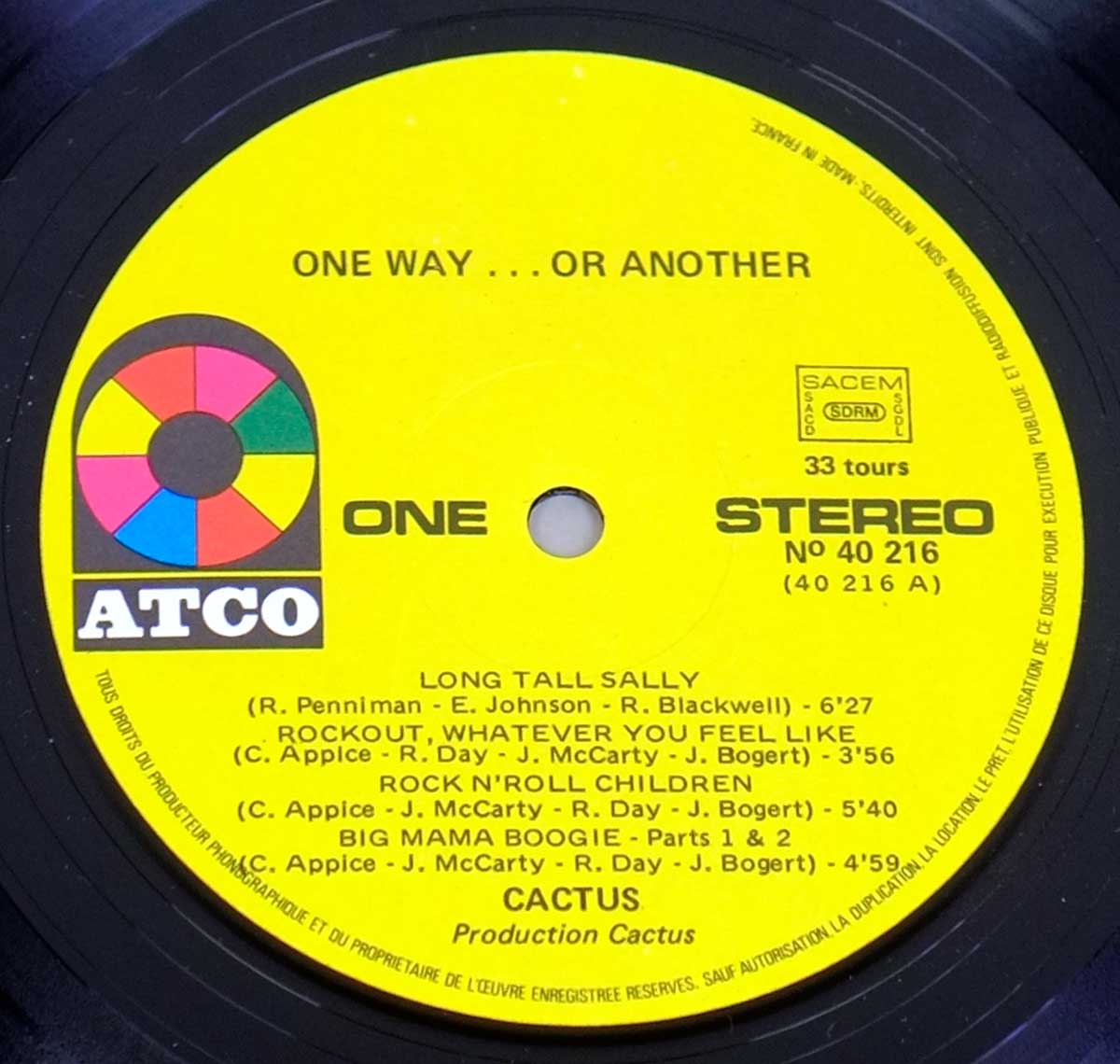
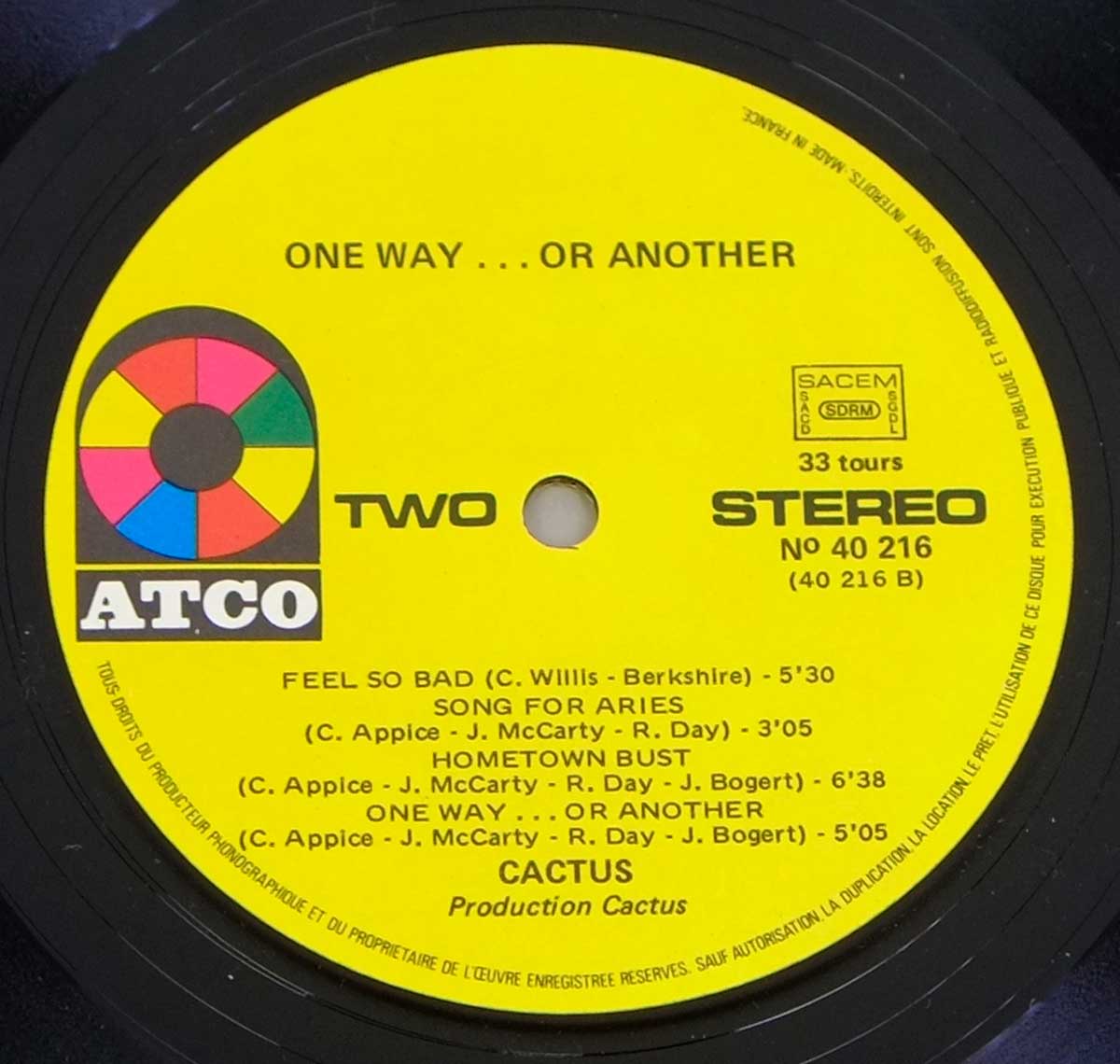
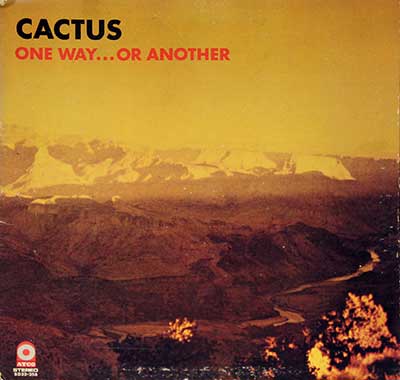
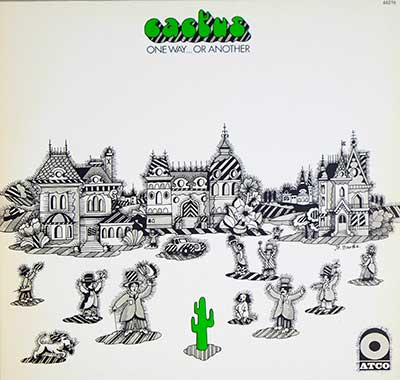
CACTUS - ONE WAY OR ANOTHER French Release ATCO 40 216 JIM MCCARTY 12" Vinyl LP Album
Cactus's 1971 album, "One Way or Another," stands as a pivotal moment in hard rock history. Born from the musical prowess of former Vanilla Fudge and Detroit Wheels members, the album's raw energy and dynamic tracks solidified Cactus's place in rock. The French release, ATCO 40 216, adds intrigue with a unique album cover, showcasing the band's global impact and the era's diverse visual expressions.
This French pressing has a completely different album cover