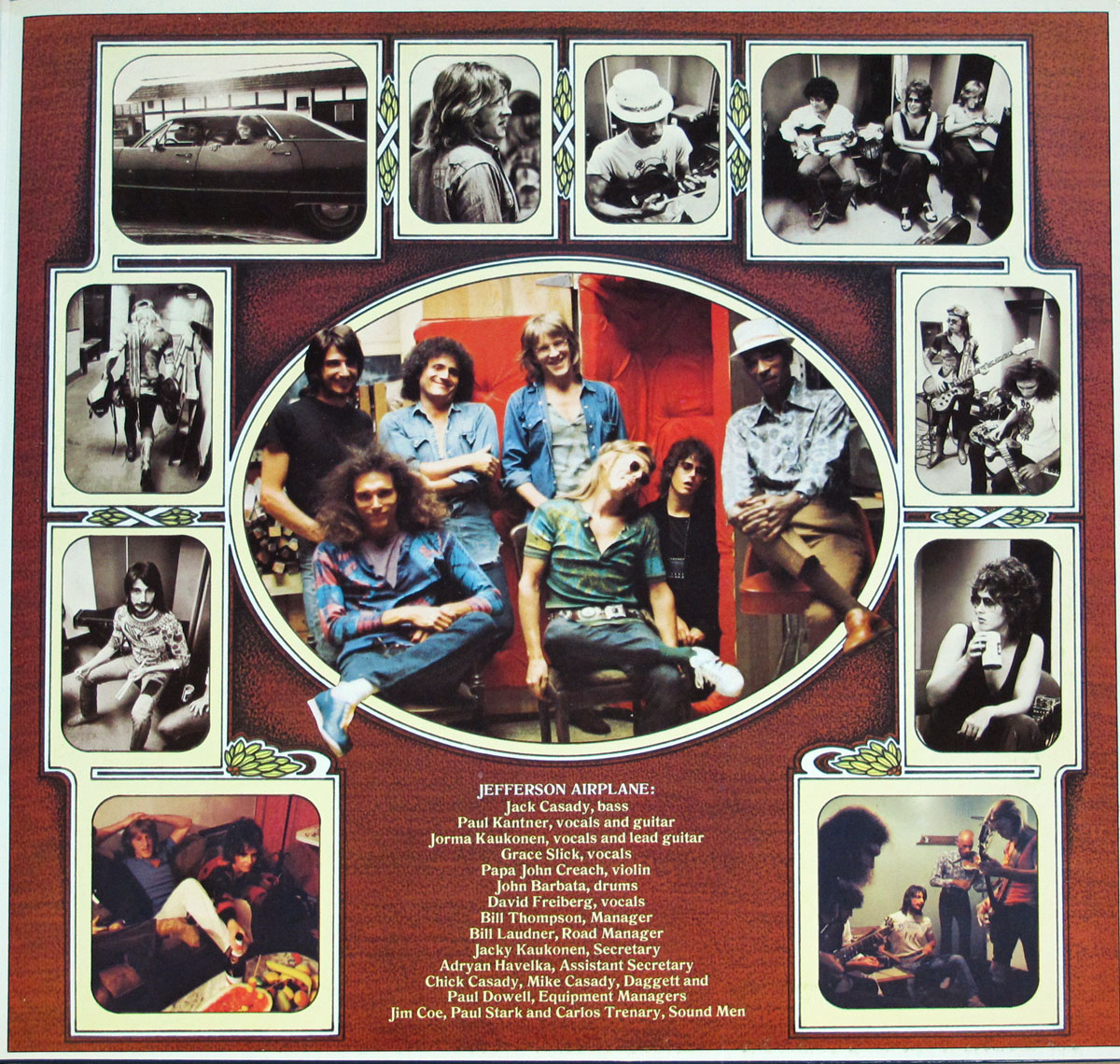
Grace Slick, the rare front woman who could sound both regal and dangerous in the same breath, walked into the Bay Area storm with The Great Society (1965–1966), then leveled the room with Jefferson Airplane (1966–1973) and came back for the reunion (1989). After the Airplane splintered, I watched her steer the heavier, road-tough years of Jefferson Starship (1974–1978, 1981–1985-ish), then ride the glossy hit-factory era as Starship (1985–1988) while still singing like she owned the sky. “White Rabbit” and “Somebody to Love” weren’t just songs to me—they were psychedelic hard proof that a voice can reroute culture. Grace Slick Wiki
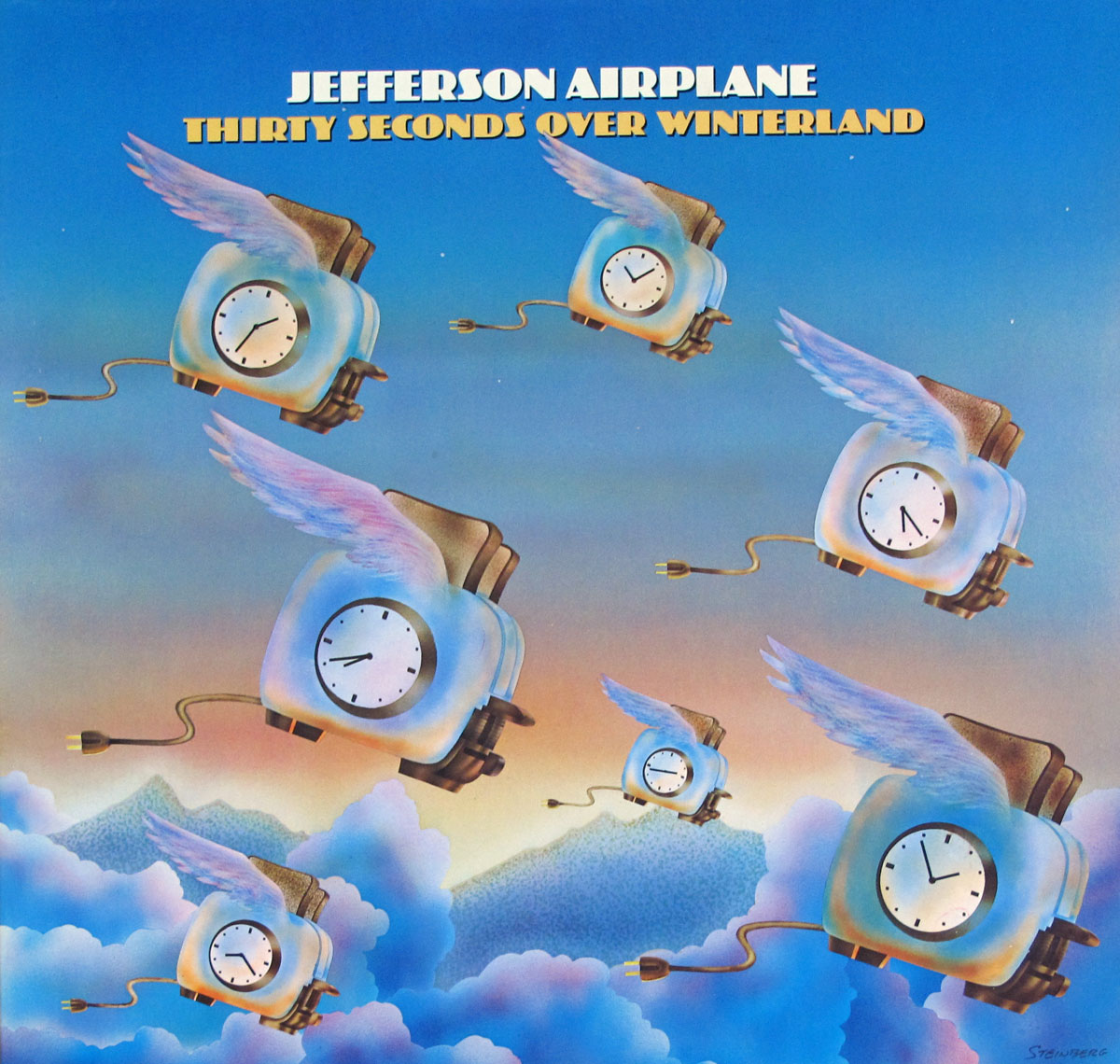
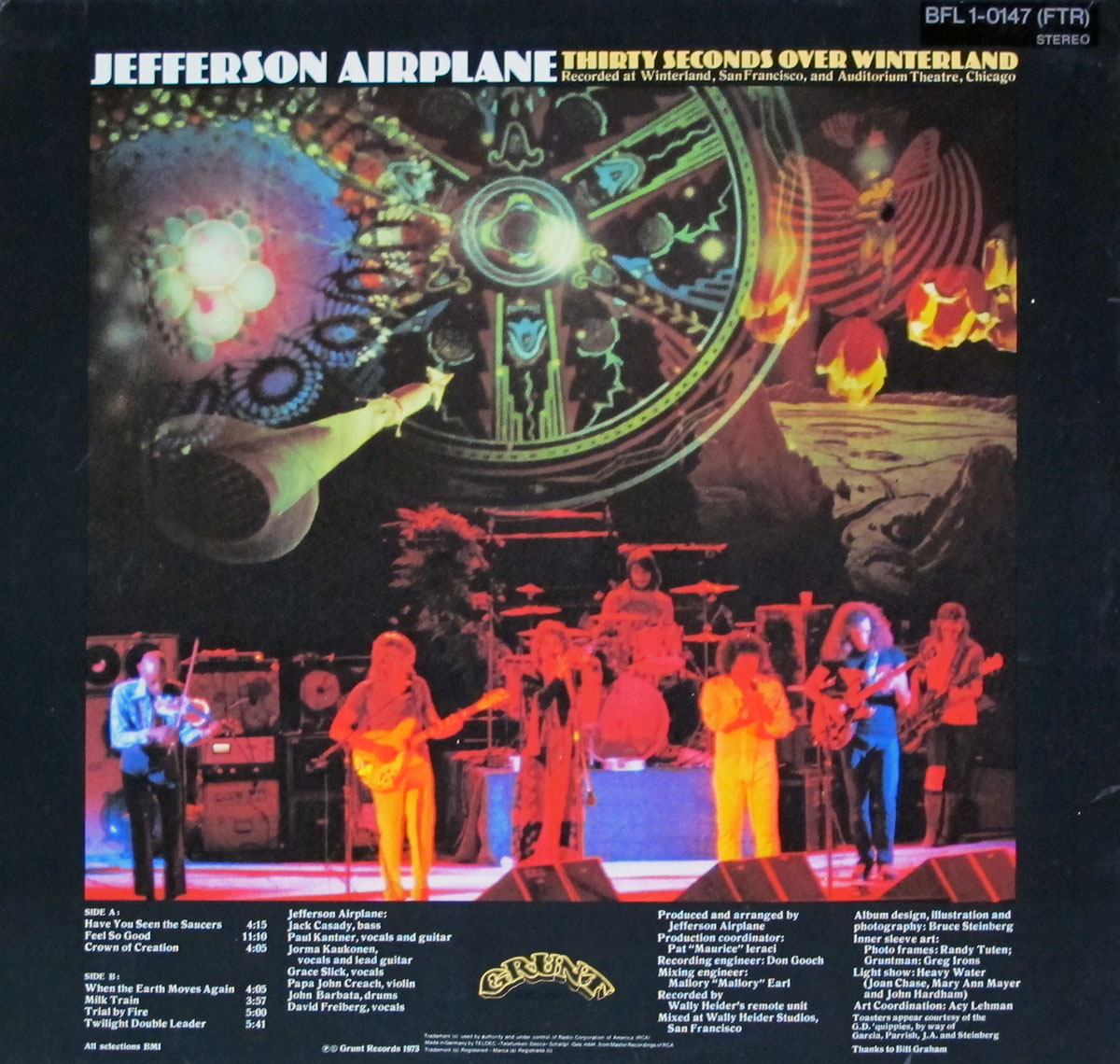
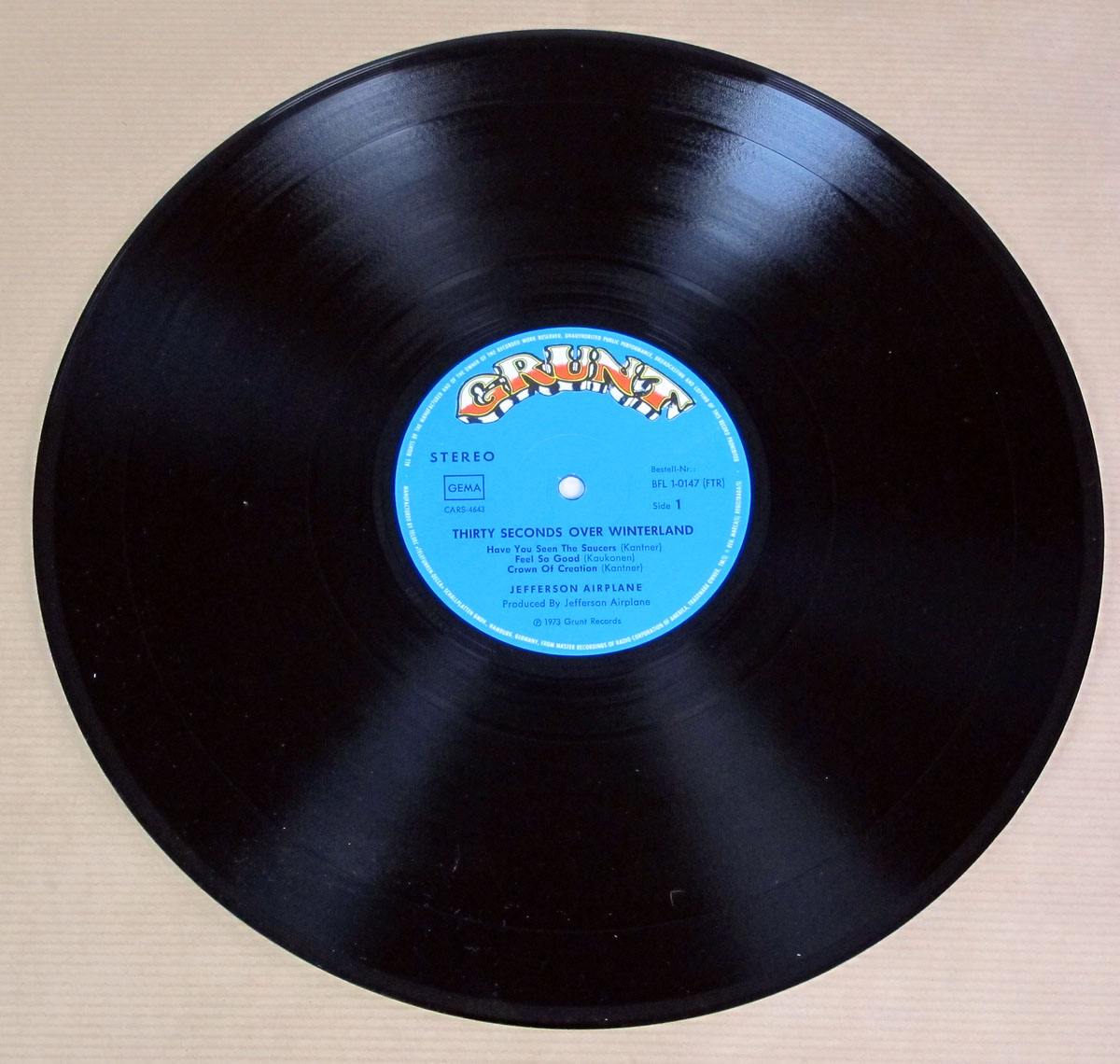
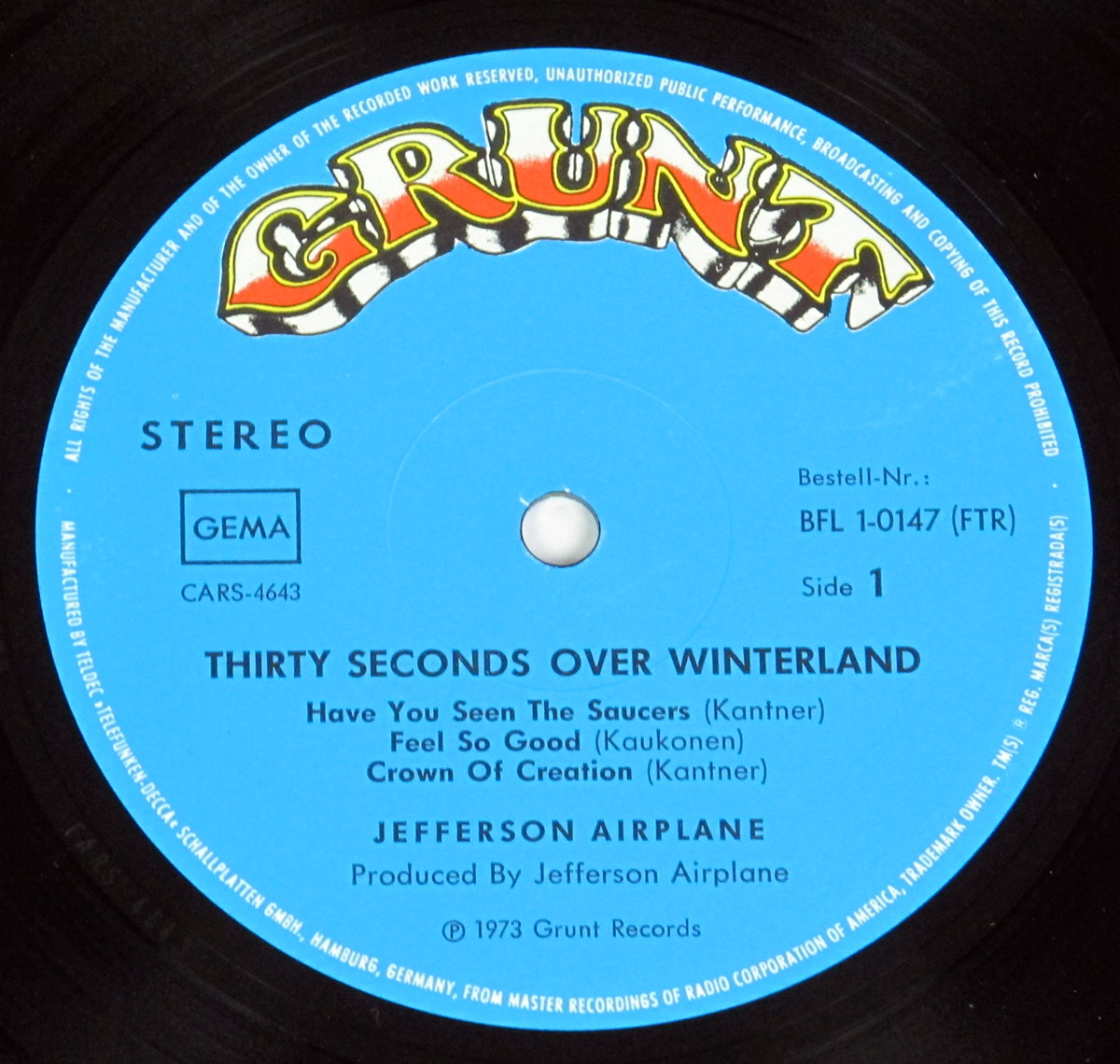
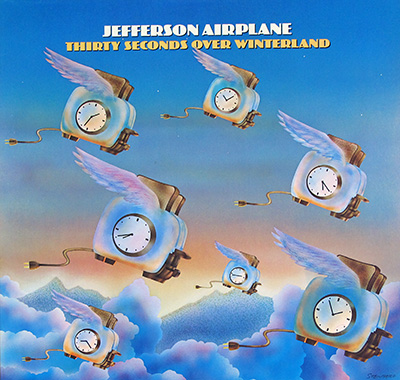
JEFFERSON AIRPLANE - Thirty Seconds Over Winterland 12" LP VINYL Album
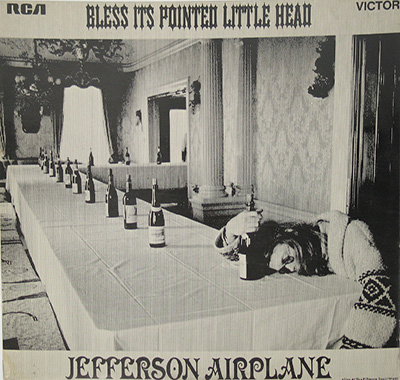
This album "JEFFERSON AIRPLANE - Thirty Seconds Over Winterland" is the album by the American psychedelic rock band Jefferson Airplane. It was recorded live in August and September 1972, at the Auditorium Theatre in Chicago and the Winterland Ballroom in San Francisco. It was released in April 1973. Recorded during the Long John Silver tour, Thirty Seconds Over Winterland was the band's second live album, after Bless Its Pointed Little Head.