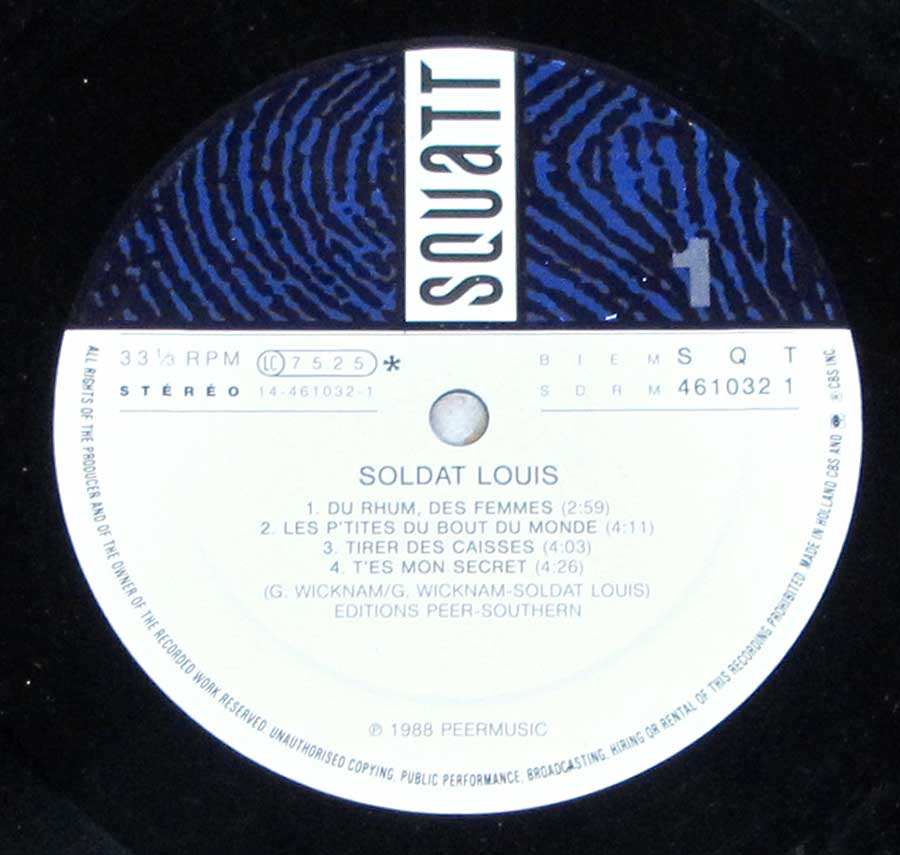
"SOLDAT LOUIS - S/T Self-Titled" (1988) Album Description:
This 1988 self-titled "Soldat Louis" LP is the moment where a French rock band from Lorient decides the world needs garage-rock muscle and Brittany's traditional bite in the same glass. It is loud, salty, and weirdly heartfelt, like a dockside singalong that accidentally learned power chords and never apologized for it.
1. Introduction on the band and the album
"Soldat Louis" are built on a simple but dangerous idea: take the traditional music of Brittany and bolt it onto rock instruments without sanding off the edges. You can hear that hybrid identity right away, because the band is not trying to sound "international" so much as unmistakably local.
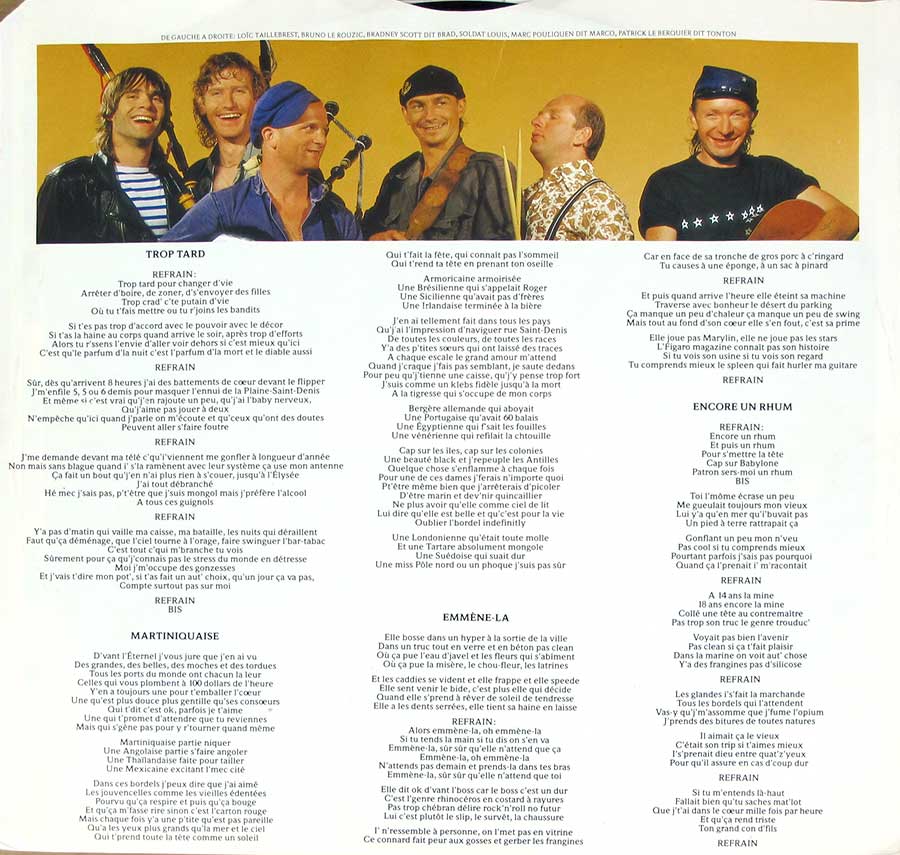
The founding spine of the group is still the same story: Renaud Detressan (Gary Wicknam) and Serge Danet (Soldat Louis, aka "Private Louis"). That kind of continuity matters, because this record feels like a band planting a flag, not renting a costume.
2. Historical and cultural context
1988 in France is late-80s modern life in full color: pop sheen everywhere, rock trying to stay relevant, and regional identity refusing to be politely quiet. Brittany had its own cultural pull, and this record leans into that current instead of fighting it.
While a lot of the era chased clean surfaces, "Soldat Louis" goes the other way and keeps the grit. It sounds like it belongs to people who know the difference between a pretty postcard and an actual harbor at night.
3. How the band came to record this album
The band is from Lorient, and you do not mix rock guitars with biniou braz and bombard by accident. That blend only happens when you are stubborn enough to believe your roots can be amplified, not replaced.
This LP feels like the result of a clear decision: keep the traditional colors in the paint, but use a rock brush and apply it with confidence. It is less "experiment" and more statement.
4. The sound, songs, and musical direction
The genre tag says "French Rock Garage", and that fits, but it is the Breton flavor that makes it pop. The rock parts bring the punch, and the traditional textures bring the bite, like a grin that knows a secret.
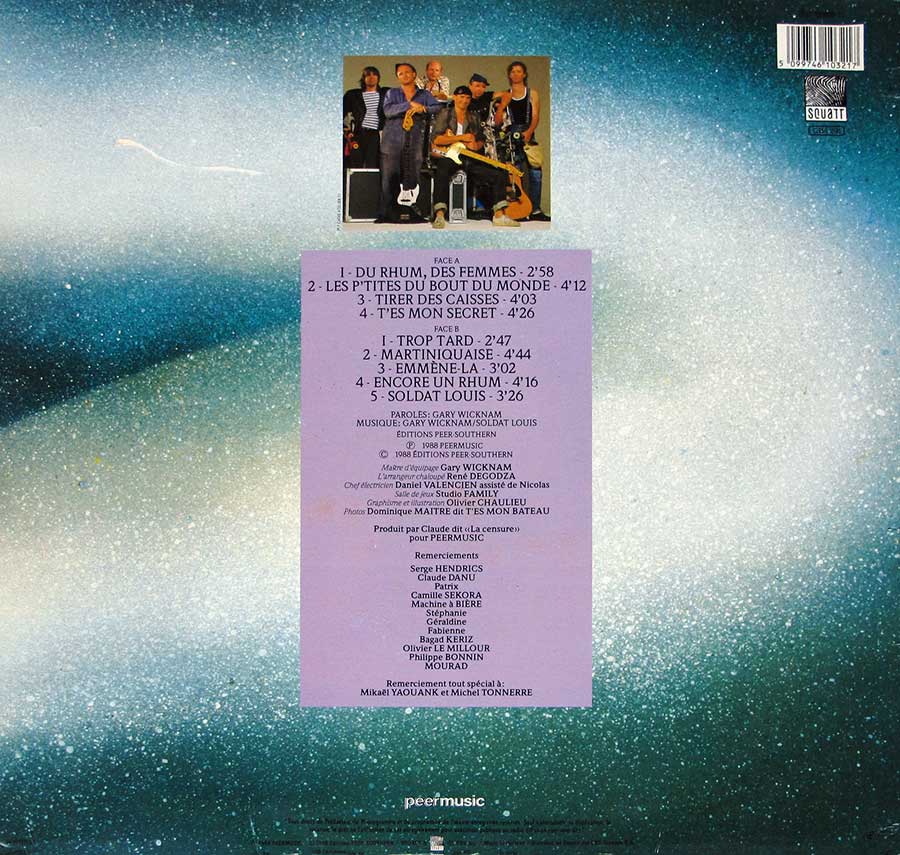
"Du Rhum, Des Femmes" kicks the door open with the kind of swagger that makes you picture a crowded bar before you even reach the chorus. It is the sort of opener that basically dares you not to turn the volume up.
"Les P'tites Du Bout Du Monde" stretches out and feels more travel-worn, like a postcard written with a smudged thumbprint and a slightly reckless mood. The melody carries the story, and the rhythm keeps it moving.
Flip it over and tracks like "Martiniquaise" and "Encore Un Rhum" keep the party energy alive, but with that wink of storytelling behind it. Ending with "Soldat Louis" feels like signing the canvas in bold letters: this is who we are.
5. Comparison to other albums in the same genre/year
In 1988, folk-rock and Celtic-leaning records could be rowdy without losing their soul, and that is the lane "Soldat Louis" drives in. Think of the era's best roots-forward rock as music that sweats a little, even in the studio.
Compared to Celtic-punk energy and folk-rock reinvention happening elsewhere that year, this album feels more coastal and French, with Brittany right on the sleeve. It is less about chaos-for-chaos-sake and more about tradition with teeth.
What they bring that others do not is the specific Breton instrumentation and attitude: biniou braz and bombard alongside rock guitars, not as a novelty, but as a core voice. The result is garage rock that tastes like sea air.
6. Controversies or public reactions
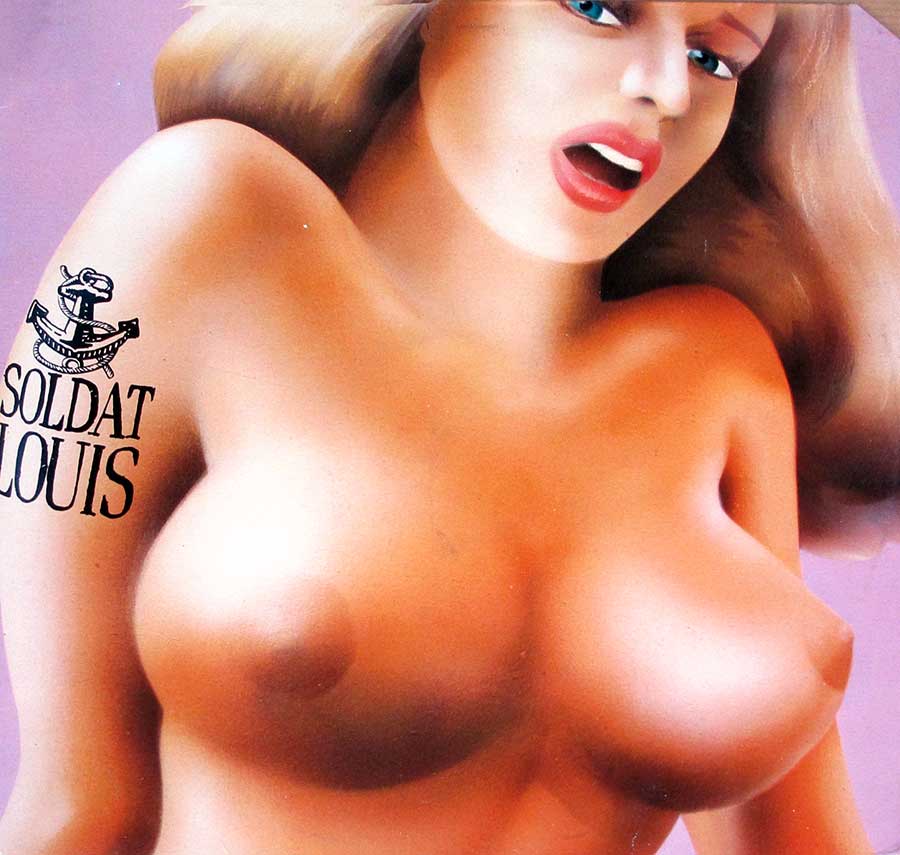
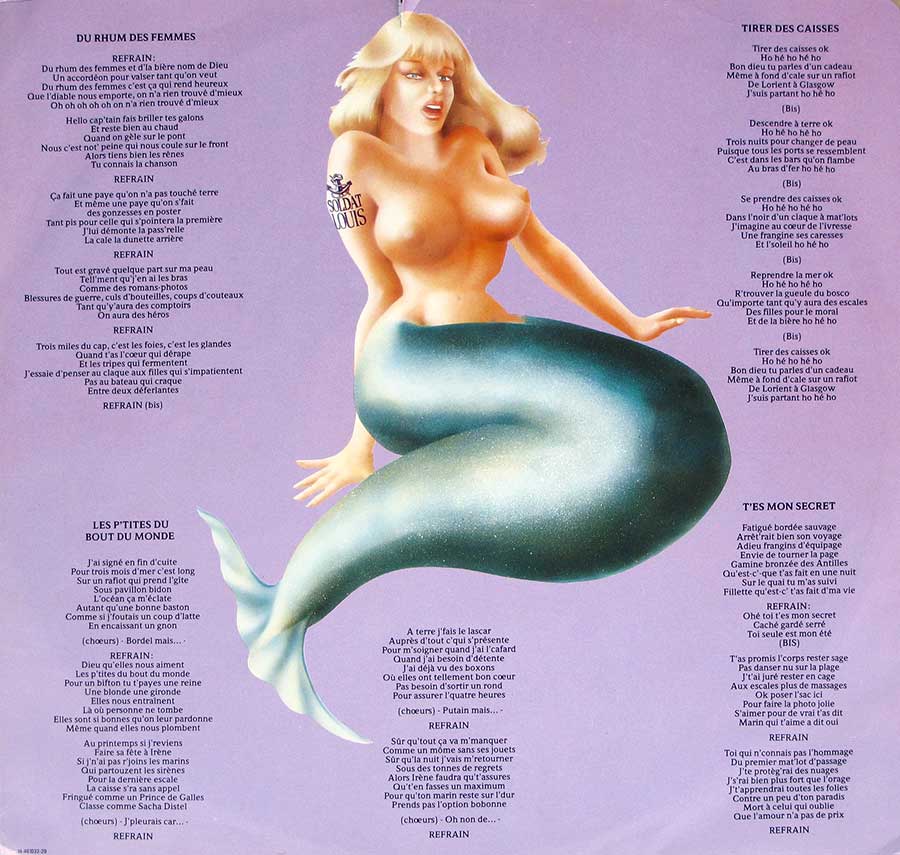
The page does not need to shout it: the "sexy nude cover" already does. In the real world, that kind of artwork tends to split people into two teams: the ones who clutch pearls, and the ones who shrug and buy the record anyway.
The funny part is that the music itself feels more communal than scandalous. The cover is the provocation, but the grooves are basically inviting you to sing along with your drink raised.
7. Band dynamics and creative tensions
Even without gossip, you can hear the balancing act: tradition versus electricity, roots versus modern punch, folk color versus garage grit. That tension is not a problem here; it is the engine.
The fact that the two founding members are still tied to the identity of the group suggests this is not a one-off stunt. It plays like a band that knows exactly what it wants to be, even if that "thing" is hard to categorize in one neat sentence.
8. Critical reception and legacy
This record reads like the kind of album that builds a reputation the old-fashioned way: by sticking in people’s memories and resurfacing at parties, road trips, and late-night "play one more" moments. It is not museum music; it is use-it-and-wear-it music.
Decades later, the blend still feels bold because it is not chasing a trend. It is chasing a feeling, and feelings age better than production tricks.
9. Reflective closing paragraph
When I drop the needle on this one, I do not hear a "concept" record — I hear a band dragging Brittany into the rock room and refusing to leave it at the door. The riffs still smell faintly of beer, sea wind, and the kind of optimism that only exists when a chorus hits just right.