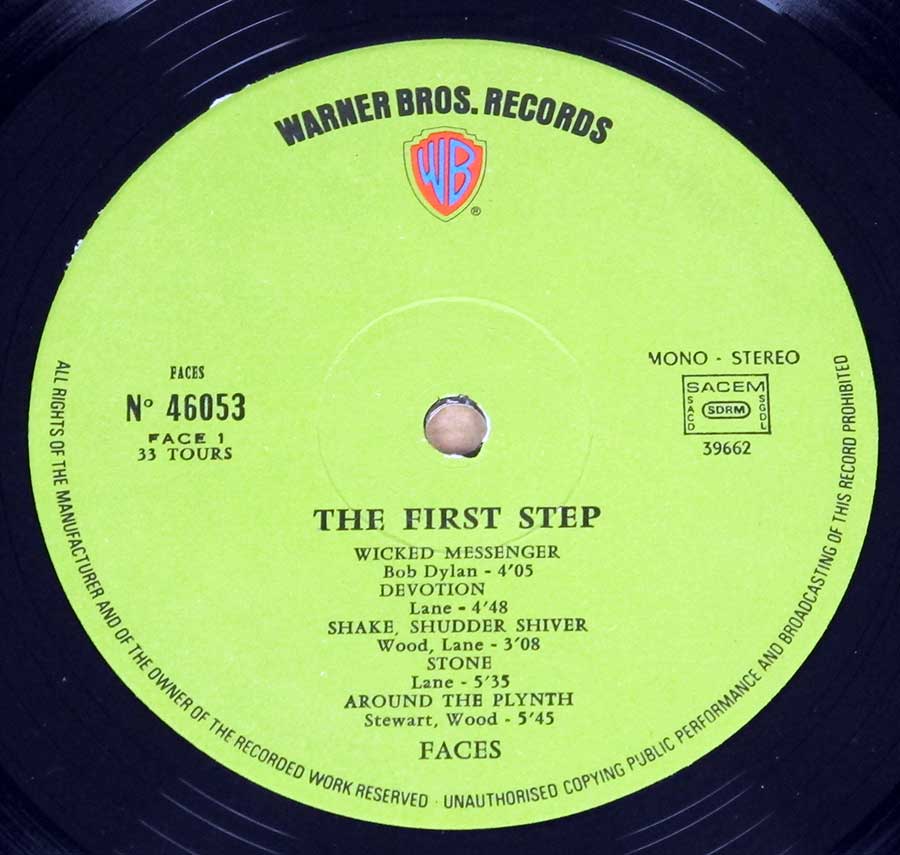
Album Description:
In the vibrant and transformative era of the 1970s, a remarkable musical venture emerged from the remnants of two influential British bands. "The First Step" marked the debut album of Faces, a group comprising members from the Small Faces (Ronnie Lane, Kenney Jones, and Ian McLagan) and the Jeff Beck Group (Rod Stewart and Ronnie Wood). Released in early 1970, this gatefold 12" LP vinyl album served as a testament to the band's artistic prowess, showcasing their unique blend of rock, soul, and blues.
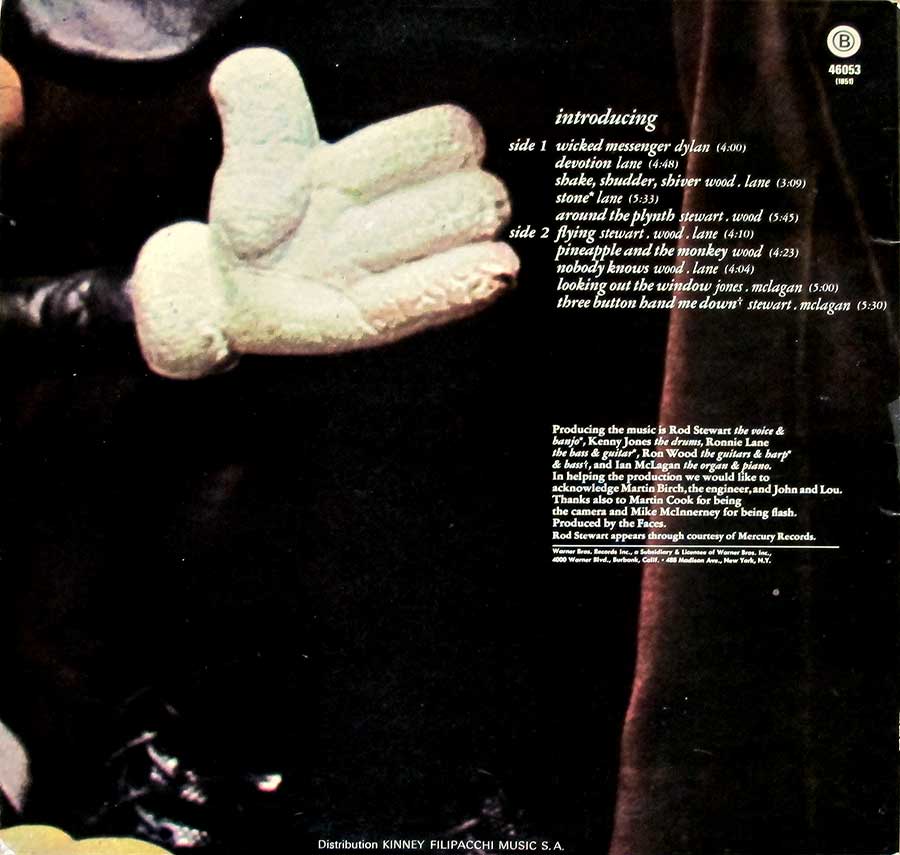
The track-listing of "The First Step" demonstrated the diverse range of musical influences and songwriting contributions within the band. Opening with "Wicked Messenger", a cover of Bob Dylan's composition, Faces immediately established their rebellious spirit and their intent to embark on a musical odyssey. The album continued with "Devotion", a captivating track penned by Ronnie Lane, characterized by its infectious melody and heartfelt lyrics. The collaborative efforts of Lane and Ronnie Wood produced "Shake Shudder Shiver", a lively composition that showcased their ability to merge rock and roll with a touch of folk sensibility.
As the album progressed, Faces delved into deeper introspection with songs like "Stone" and "Nobody Knows". Ronnie Lane's evocative songwriting resonated with introspective themes, while Rod Stewart and Ronnie Wood contributed their own compositions, such as the captivating "Around The Plynth" and the infectious "Pineapple and the Monkey". The album's versatility was further demonstrated by the energetic and uplifting track "Flying", a collaborative effort that exemplified the band's dynamic chemistry.
Noteworthy among the album's offerings was "Looking Out The Window", a composition by Kenney Jones and Ian McLagan. This track showcased Faces' ability to combine compelling storytelling with impeccable musicianship, highlighted by McLagan's soulful piano melodies and Jones' masterful drumming. The album concluded with "Three Button Hand Me Down", a song co-written by McLagan and Stewart, which encapsulated the band's raw energy and their inclination for captivating storytelling.
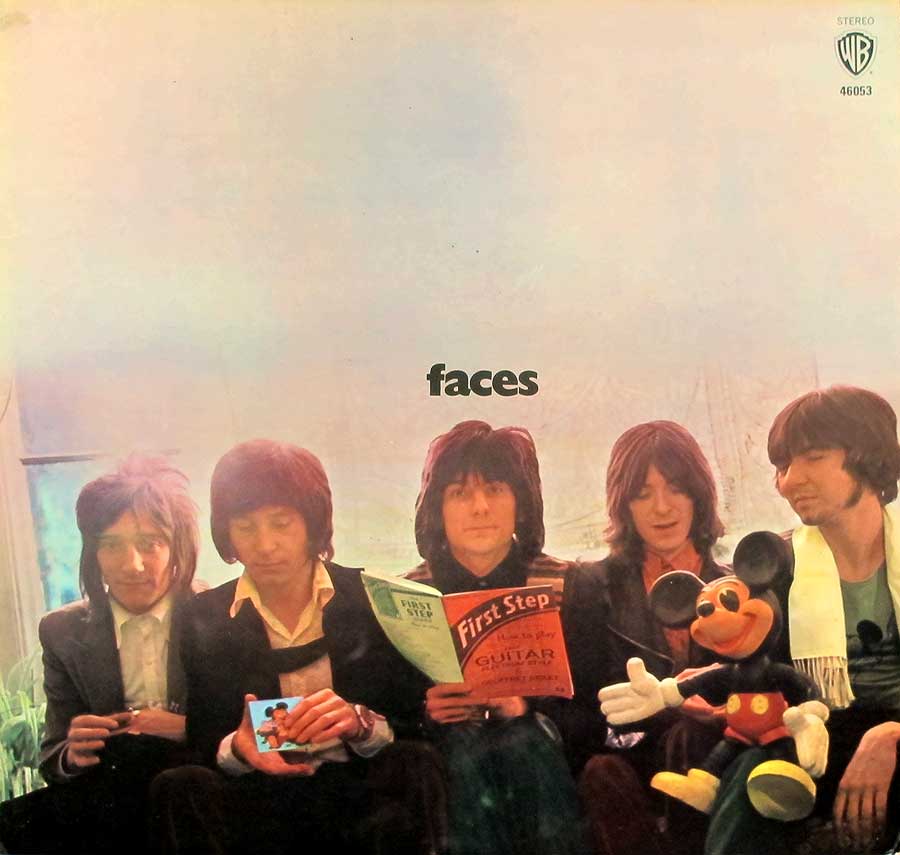
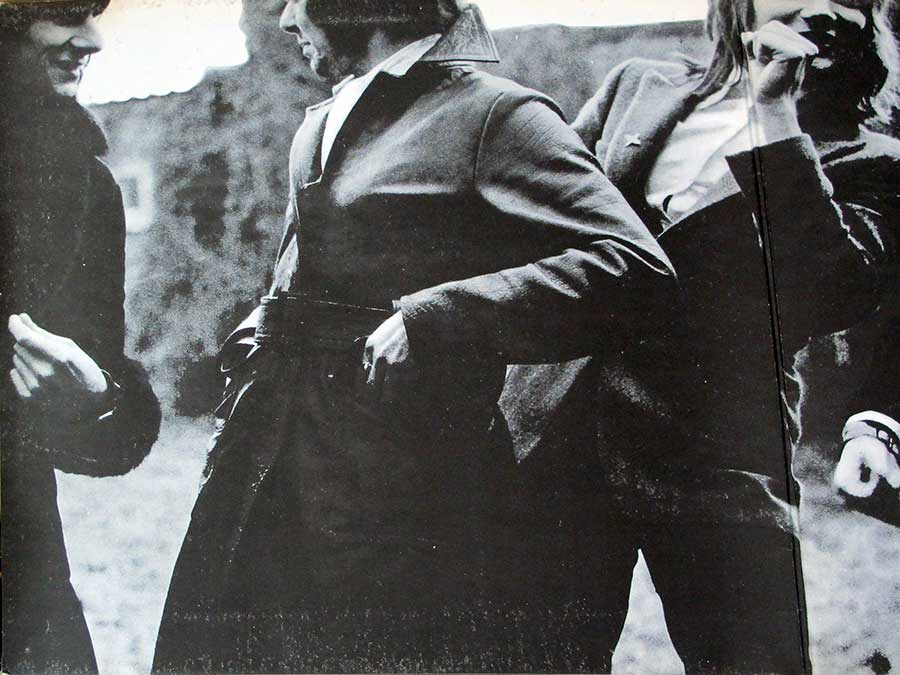
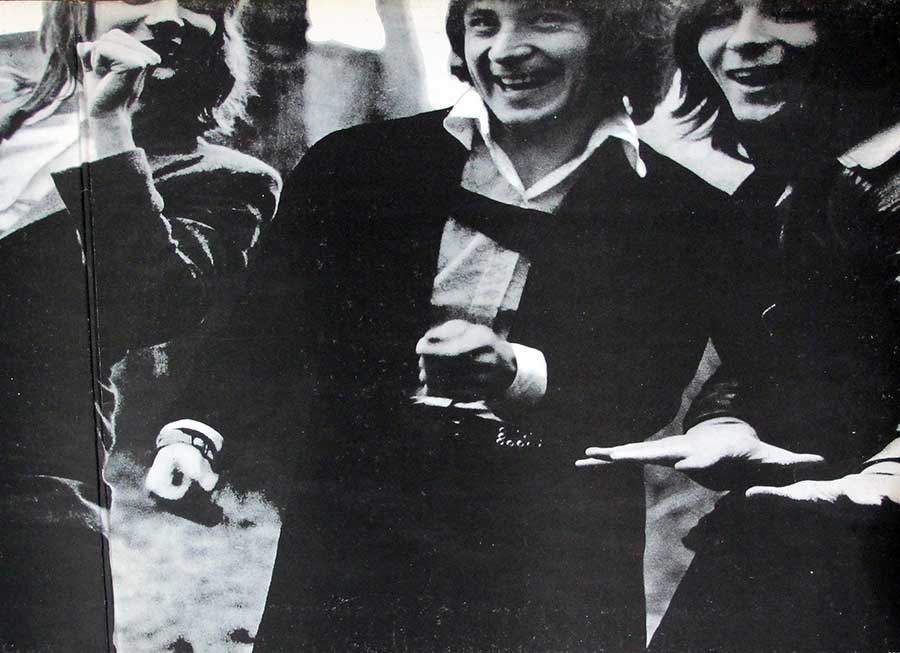
The gatefold 12" LP vinyl format of "The First Step" added an extra dimension to the album's experience. The gatefold cover, adorned with a captivating portrait of the band members, drew listeners into the world of Faces, inviting them to explore the music within. Inside, the gatefold unfolded to reveal additional photographs and liner notes, providing a glimpse into the band's artistic process and the collaborative nature of their work. This tactile and visual element enhanced the album's appeal, creating an immersive experience for fans and collectors.
Although "The First Step" did not achieve overwhelming commercial success at the time of its release, it laid the foundation for the band's subsequent achievements. Faces would go on to release critically acclaimed albums such as "Long Player" and "A Nod Is As Good As a Wink... to a Blind Horse", solidifying their place in rock history. The album marked the beginning of a fruitful journey for the band, setting the stage for their energetic live performances and their legacy as one of the era's most influential rock acts.
|
Music Genre:
Rock |
|
Album Production Information:
The album: "FACES - The First Step Ron Wood Rod Stewart" was produced by:
The Faces
Sound/Recording Engineer(s):
Martin Birch
Martin Birch – Producer, Sound Engineer
I first noticed Martin Birch on those early Iron Maiden sleeves—the ones with the typography that felt like a threat. At twelve, I didn’t care about "production value"; I just liked that the guitars didn't sound like mud. He was the man behind the sound mixer, the one who made the snare snap like a dry branch in a cold forest. He was "The Headmaster," and we were all just students of his high-voltage curriculum.
Read more...
Birch didn’t just record noise; he organized aggression. By 1972, he was already wrangling the messy brilliance of Deep Purple’s Machine Head, turning Ian Gillan’s banshee wails into something that didn't just clip the tape but lived inside it. In 1980, he pulled off the ultimate renovation, giving Black Sabbath a much-needed shower and a new spine. Heaven and Hell shouldn't have worked, but Martin polished that Birmingham sludge into something operatic and gleaming. It was a pivot that felt like fate, mostly because he refused to let the mid-range get lazy.
Then came the long, obsessive stretch with Iron Maiden from 1981 to 1992. It was a twelve-year marriage to the fader. From the moment Killers (EMC 3357, for those who care) hit the shelves, the sound was physical. He knew how to let Steve Harris’s bass clatter like a machine gun without drowning out the melody—a sonic miracle that still feels fresh. You can almost smell the ozone and the dust on the Marshall stacks when the needle drops on The Number of the Beast. He stayed until Fear of the Dark, then simply walked away. No victory lap, no bloated memoir. He preferred the hum of the desk to the noise of the crowd, leaving us with nothing but the records and a slight sense of abandonment. But then, when you’ve already captured lightning on tape for twenty years, why bother hanging around for the rain?
|
|
Record Label & Catalognr:
Solid Green Colour Warner Bros Records 46053
|
|
Packaging:
Gatefold/FOC (Fold Open Cover) Album Cover Design with photos on the inside cover pages
|
|
Media Format: 12" LP Vinyl Stereo Gramophone Record
Total Album (Cover+Record) weight: 280 gram |
|
Year & Country:
1970 Made in France |