The Pogues' "Rum, Sodomy & The Lash": A Raucous Irish Folk Punk Anthem
Album Description:
1985: Britain is polishing its synth-pop hair in the mirror, and The Pogues kick the door in with muddy boots. Their second studio album, "Rum, Sodomy & The Lash", doesn't politely blend Irish tradition with punk. It crashes them together until sparks fly and somebody laughs at the wrong moment.
Historical Context
The mid-80s didn't feel like a decade so much as a weather system: grey, loud, tense. You could hear it in the way people sang in pubs, like the chorus mattered more than the future. The Pogues didn't “capture the zeitgeist” (that phrase needs a bath). They just sounded like the streets after closing time, when romance and resentment share the same cigarette.
Musical Exploration
Tin whistle, accordion, banjo, mandolin, fiddle... none of it sits politely in the background. Those instruments shove their elbows into the mix, then the guitars and drums shove back. And somehow it works. It's folk music that refuses to be preserved in a glass case, wired straight into punk urgency. Celtic punk, folk punk, call it what you like. The record doesn't care.
Genre-Bending Fusion
One minute you're singing along like it's the oldest song you've ever known. Next minute you're getting dragged by the collar into something sharper, faster, less forgiving. That push-and-pull is the whole point: tenderness with teeth. And if you're looking for “crossover appeal”, you're in the wrong pub.
Controversies and Artistic Expression
The title alone was always going to raise eyebrows. It's the famous naval line pinned on Winston Churchill, except serious Churchill people will tell you he didn't actually say it (and, apparently, regretted missing the chance). Either way, it fits: the band life here is soaked in humor, chaos, and the kind of honesty that doesn't ask permission first.
Production and Recording
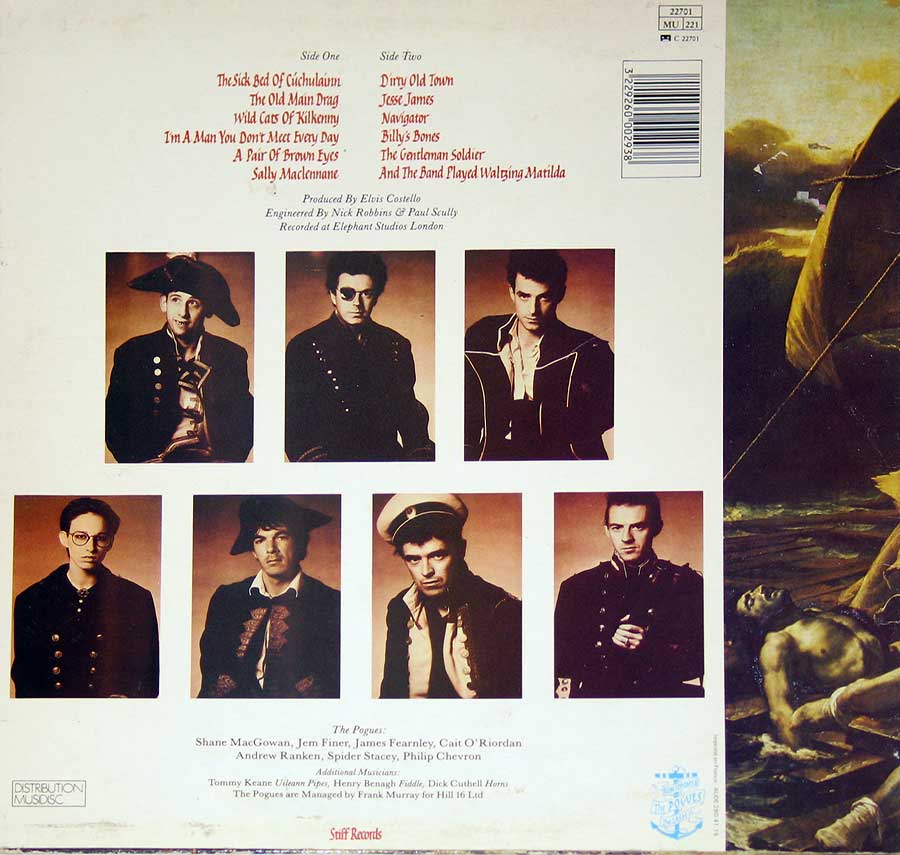
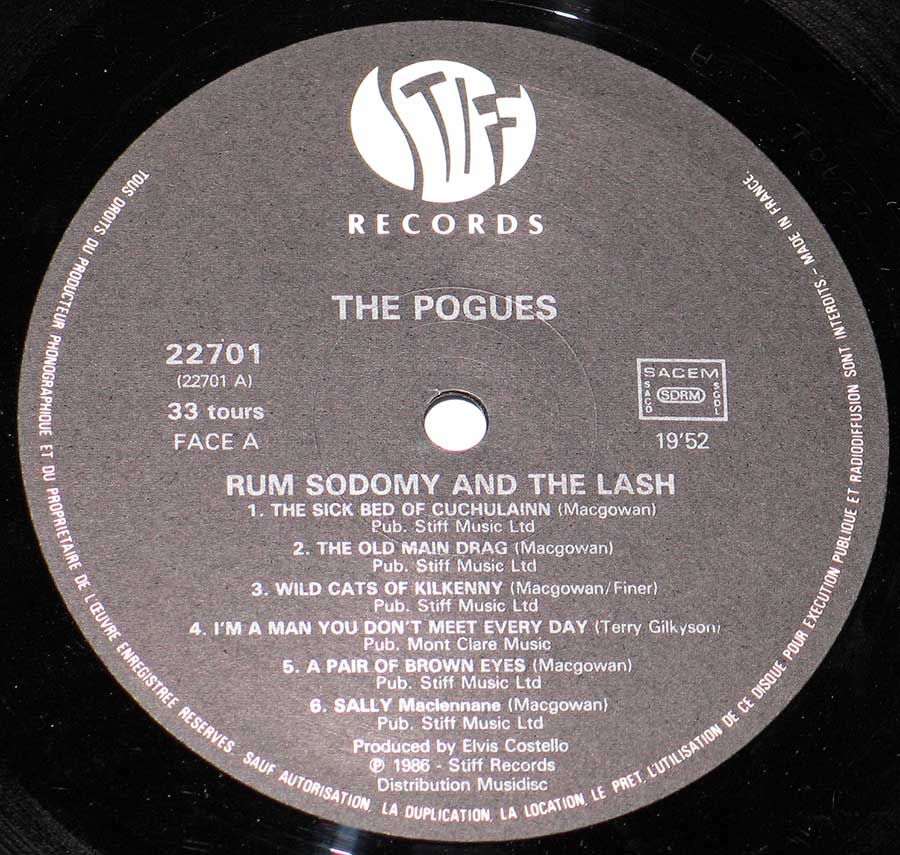
Elvis Costello produced it, and thank whatever patron saint watches over loud records: he didn't sand the edges off. The sessions are widely cited as happening at Elephant Studios in Wapping, London, and the goal feels simple — get them down live, keep the air around the instruments, don't “fix” what makes it dangerous. This is a document, not a makeover.
Iconic Album Cover Art
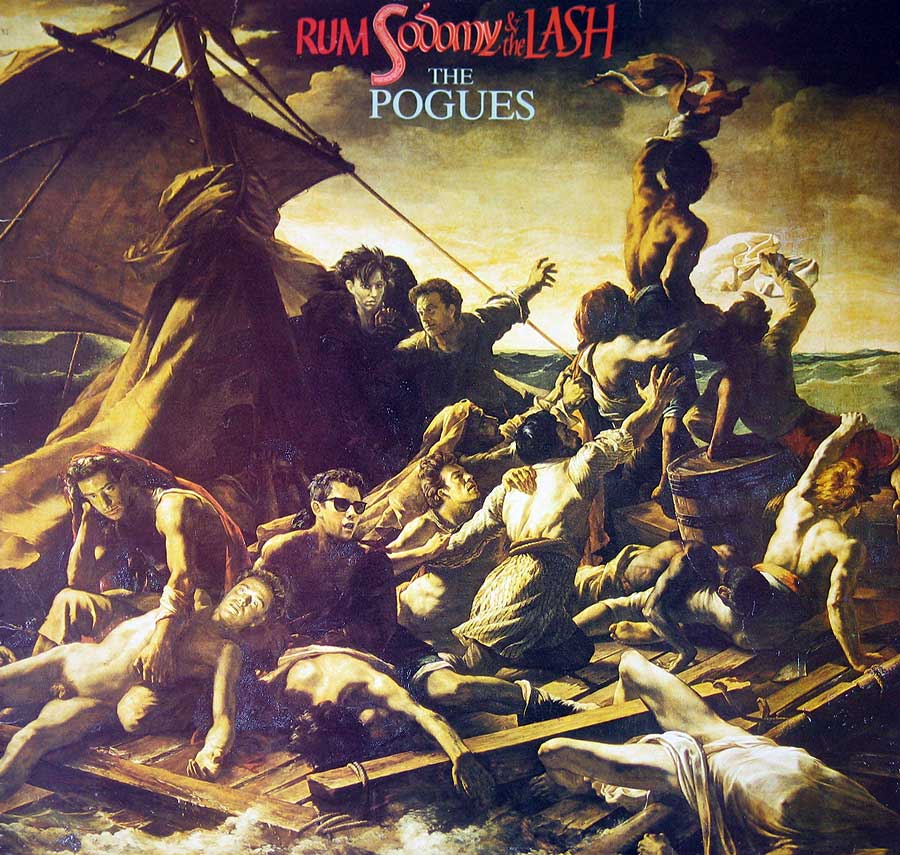
The cover doesn't whisper, either. It's an altered version of Theodore Gericault's "The Raft of the Medusa", with the band members' heads painted in (credited to Peter Mennim). Shipwreck survivors, faces swapped, dignity optional. It's bleak, funny, and weirdly perfect — like the music itself, clinging on with one hand and waving a drink with the other.
I still reach for this one when I want a room to feel less clean and more alive. Not “inspired”. Alive. If that bothers your inner librarian, well... good.
References
- Vinyl Records Gallery: high-resolution album cover photos (your page)
- Wikipedia: Rum Sodomy & the Lash (release date, studio, credits, artwork notes)
- WinstonChurchill.org: falsely attributed quote (“rum, sodomy and the lash”)
- Pogues.com: The Raft of the Medusa and the album cover connection
- LouderSound: story/production background for the album