Indian Summer's Self-Titled Debut: A Glimpse into British Progressive Rock
Album Description:
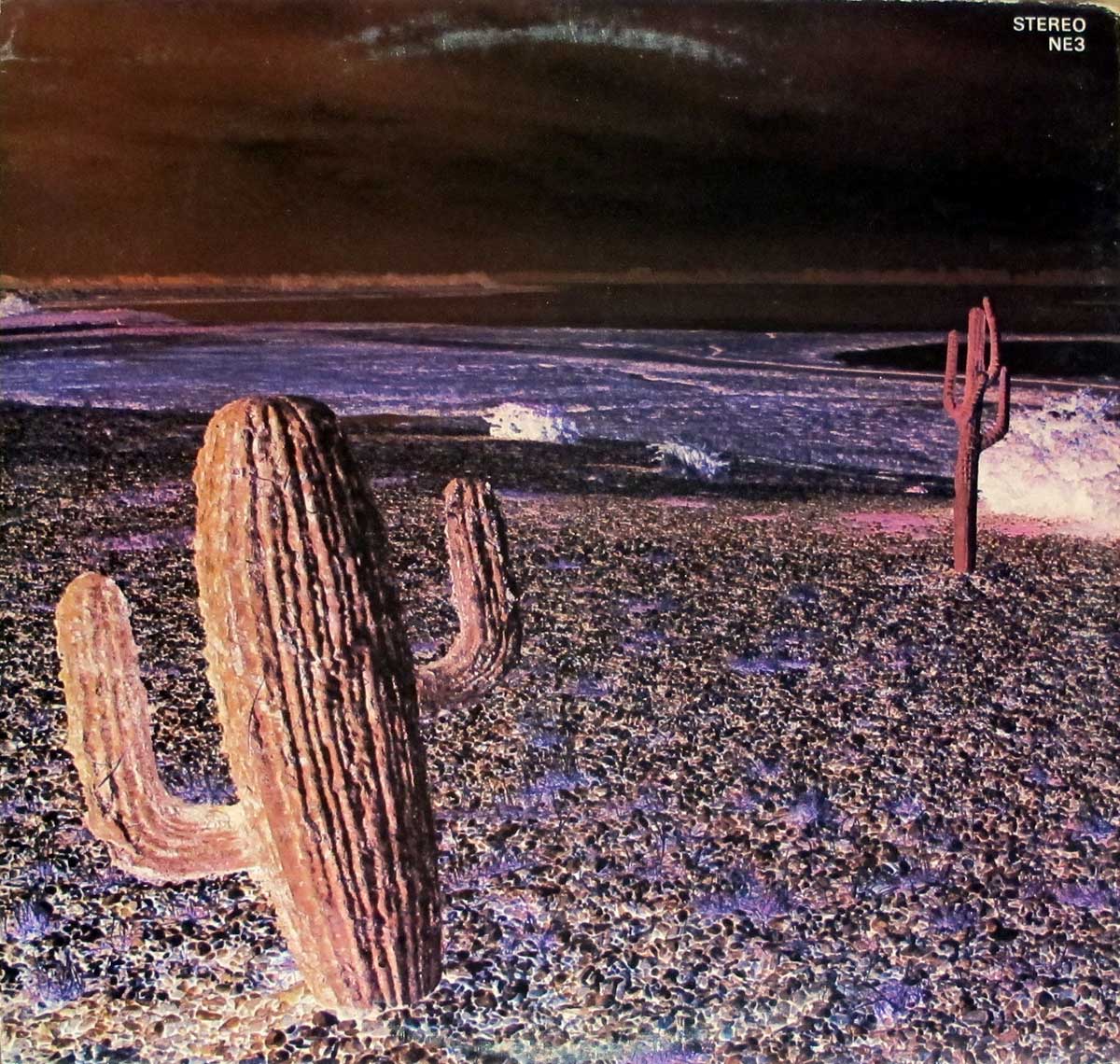
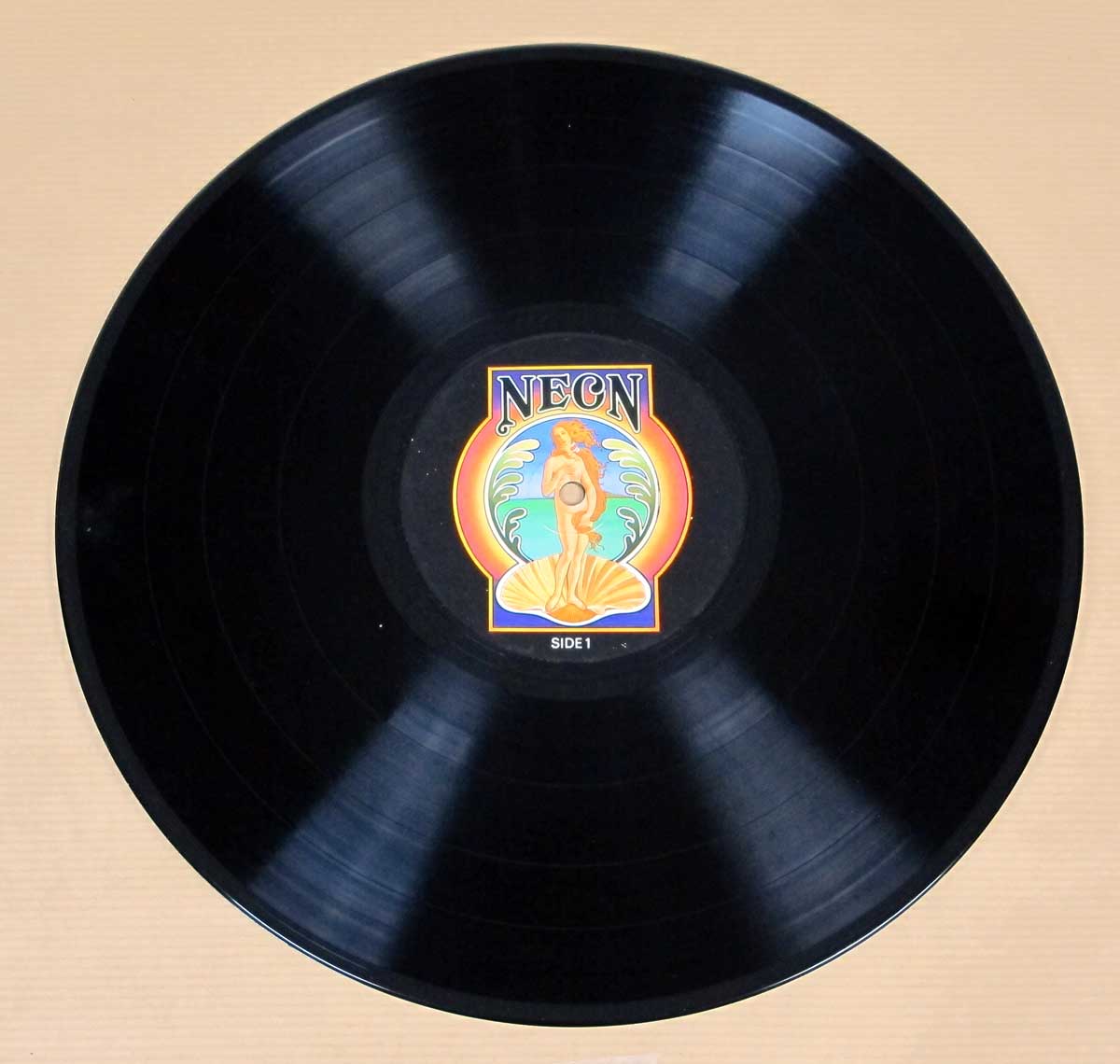
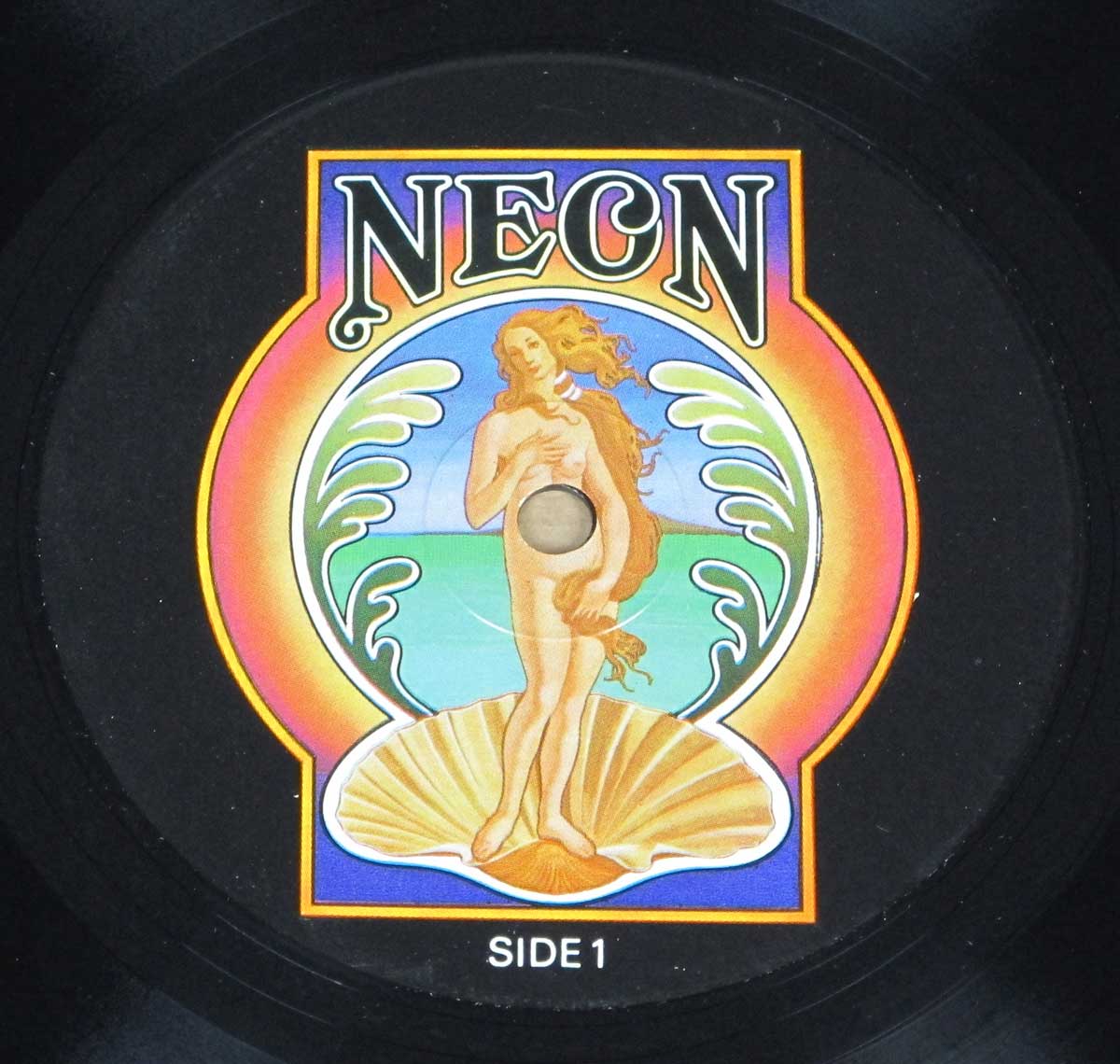
Indian Summer’s self-titled LP (Neon NE 3, 1971) is one of those British prog records that doesn’t kick the door in. It just appears — quietly, confidently — like it expects you to lean in. Gatefold sleeve, proper UK Neon aura, and that Keef artwork doing the classic early-’70s trick: make a landscape look like it’s been photographed through a dream and then turned inside-out.
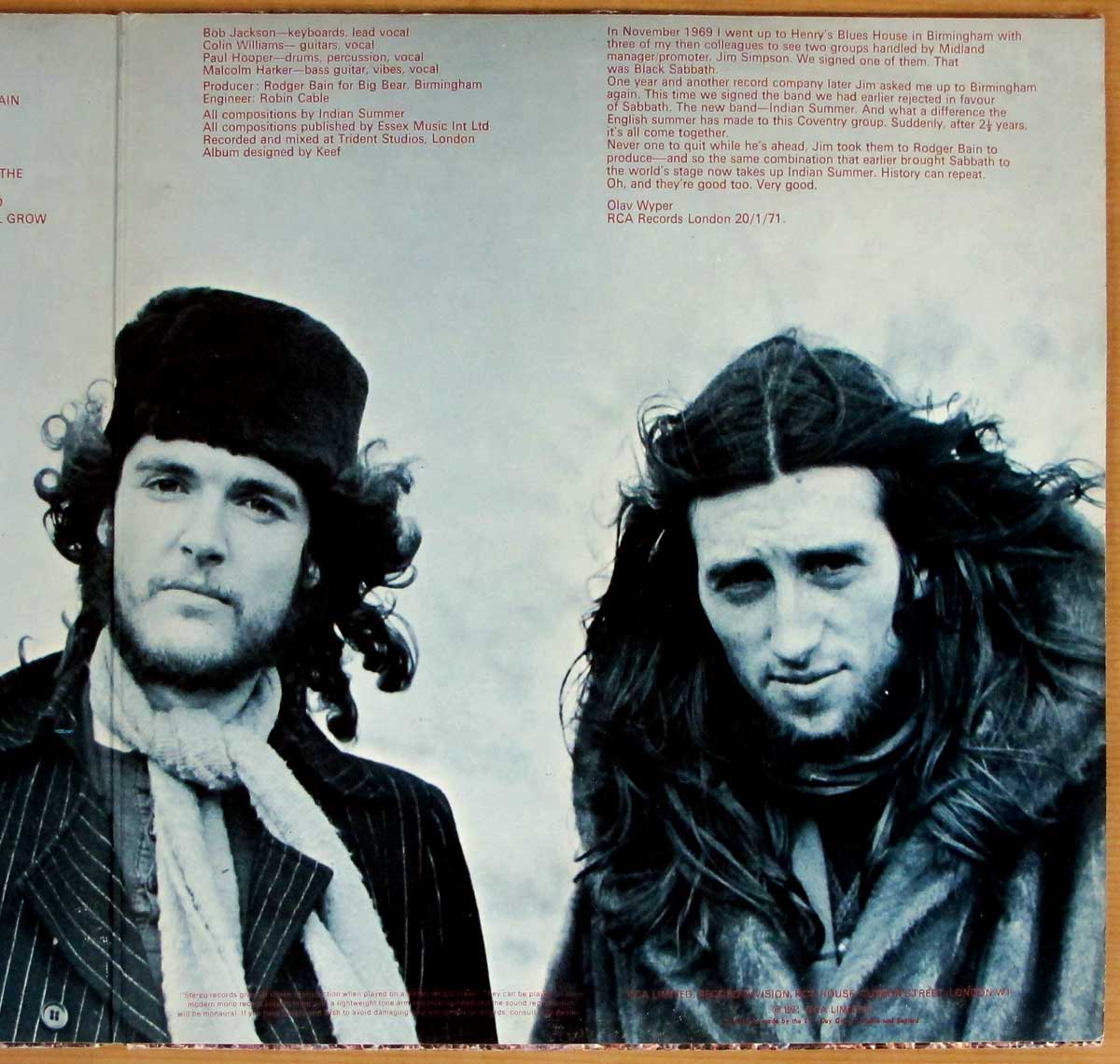
I always picture this one living in a slightly battered rack in a Midlands record shop — Coventry band, formed in 1969, and you can hear that mix of factory-town seriousness and “let’s get weird with it” ambition. No glitter. No Los Angeles nonsense. Just four guys trying to stretch a song until it tells the truth.
Historical Context
Neon as a label had a taste for the slightly left-of-centre, and this album fits like a glove that’s been worn in rain. It shows up in 1971, right when prog wasn’t a punchline yet — before it got swallowed by stadium bombast and keyboard castles. Indian Summer don’t sound like they’re chasing fame. They sound like they’re chasing the next idea, even if it runs off into the bushes. :
Musical Exploration
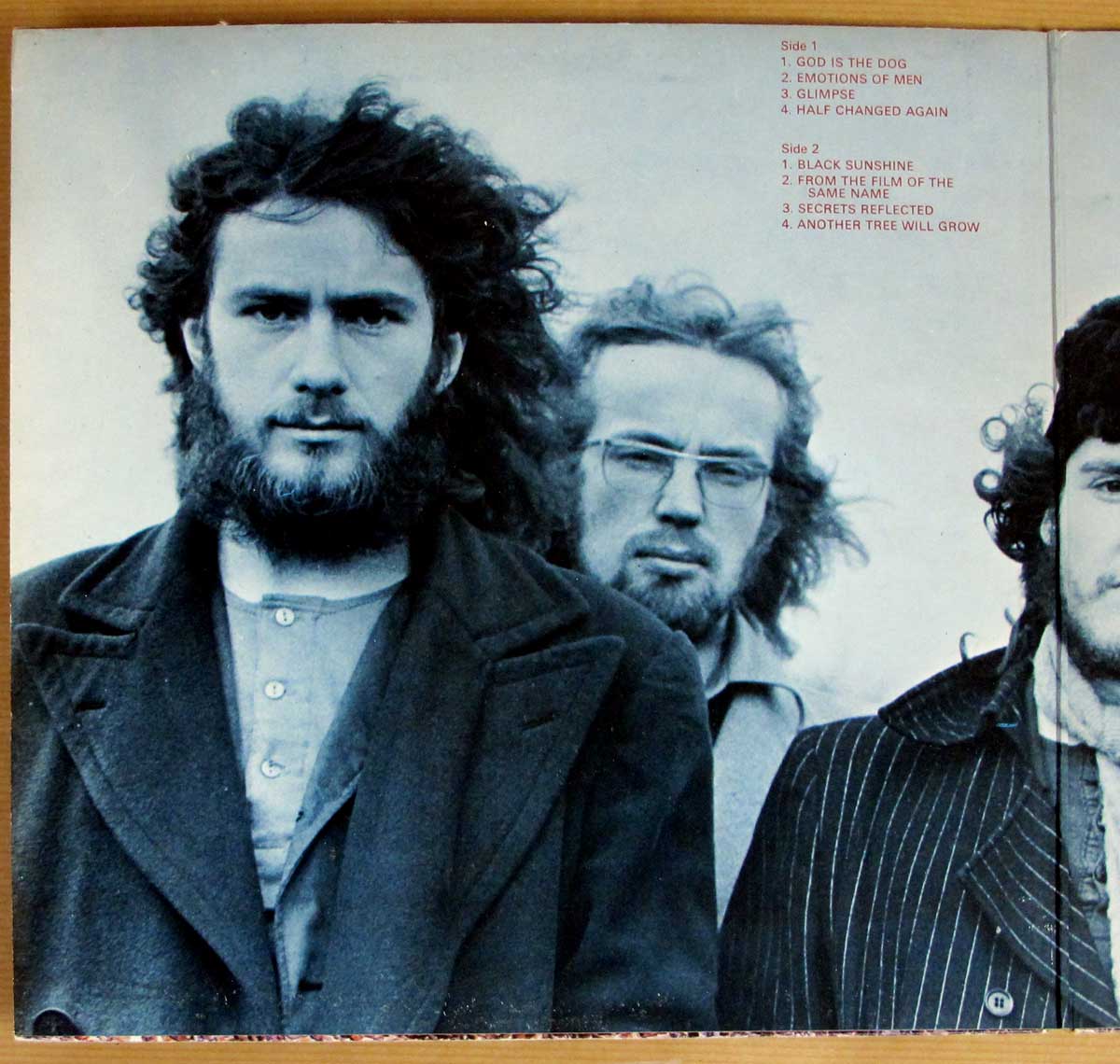
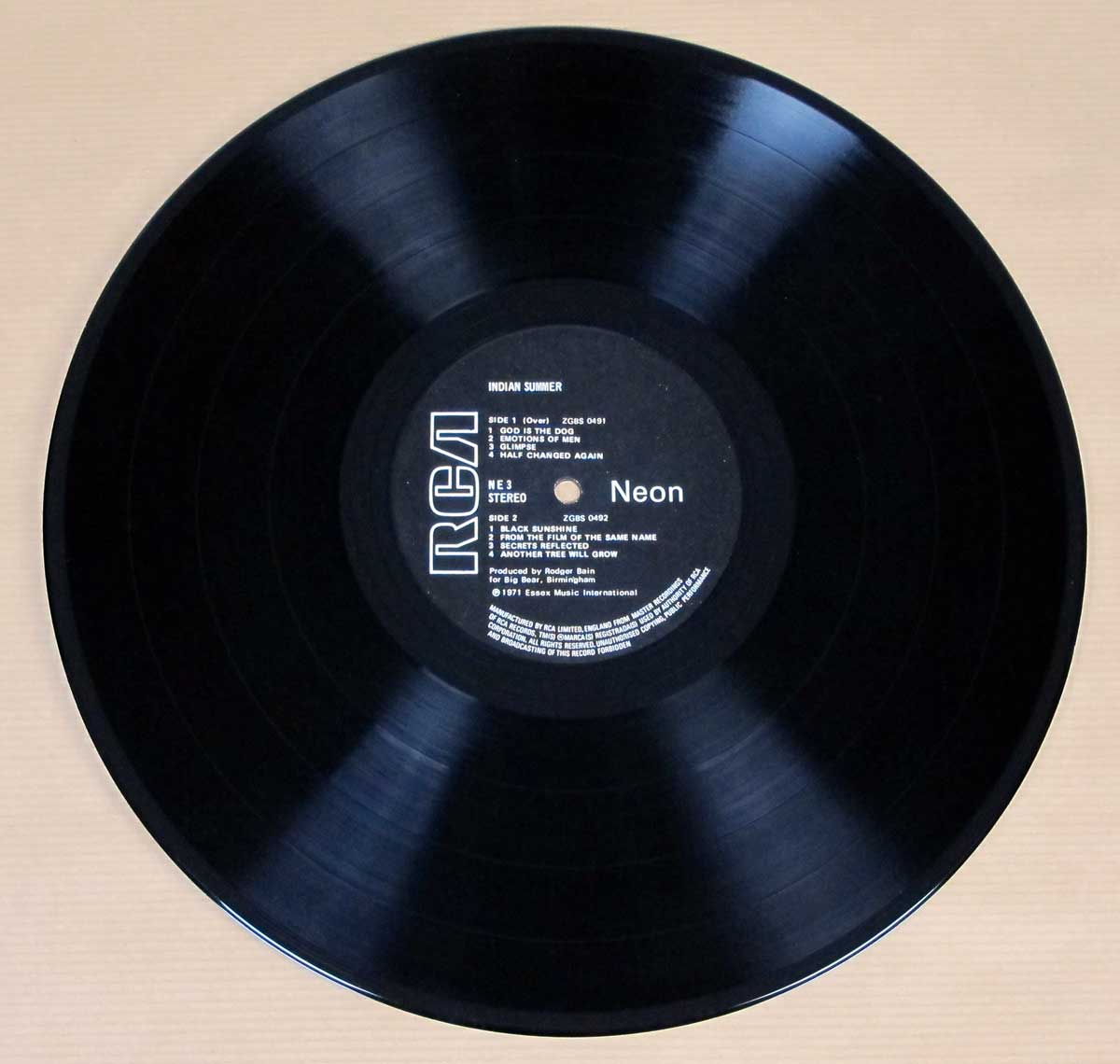
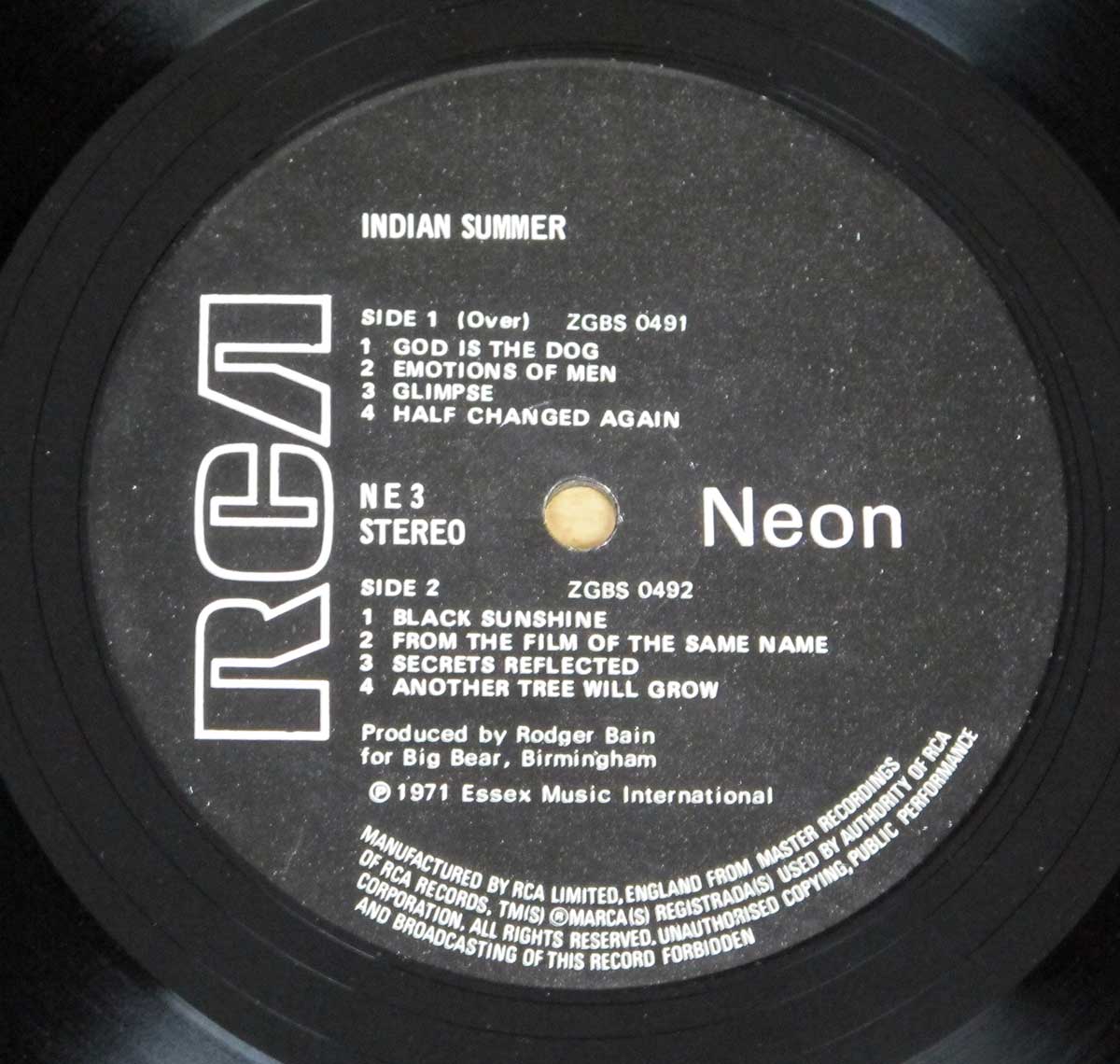
Side one opens with “God Is The Dog”, and it doesn’t so much start as it unfurls — organ and guitar circling each other, then locking in like two blokes arguing politely in a pub. “Emotions Of Men” and “Glimpse” have that classic UK prog habit of switching moods mid-sentence. Then “Half Changed Again” turns the screws a little tighter, because apparently nobody here is interested in staying comfortable.
Flip it over and the darker colours come out: “Black Sunshine”, “From The Film Of The Same Name”, “Secrets Reflected”. Titles that sound like they were scribbled at 2 a.m. on the back of a gig flyer — and honestly, good. The closer, “Another Tree Will Grow”, lands softer, but not sweet. More like the record finally exhales after holding its breath for forty minutes.
Producers and Engineers
Rodger Bain produced it, and that matters — not because we need a name to salute, but because he knew how to capture a band without sanding off the edges. Robin Cable engineered, and the whole thing was recorded and mixed at Trident Studios in London, which explains why it sounds like proper money without sounding polite.
Album Cover Design
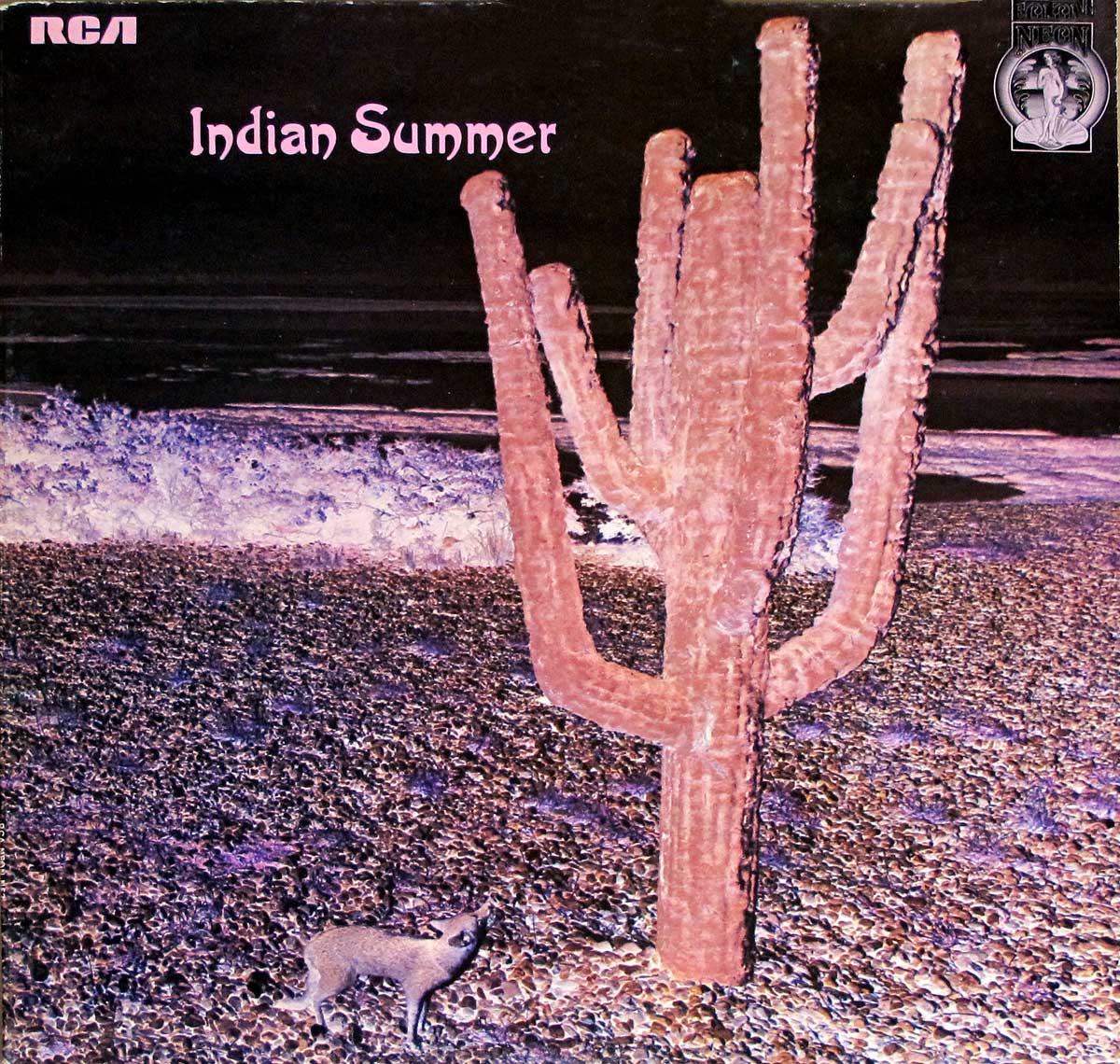
The sleeve is Keef doing what Keef does: false-colour photographic weirdness that makes you stare too long and then question your eyesight. It’s not “pretty”. It’s not meant to be. It’s Neon-era Britain in a single image — slightly alien, slightly scorched, and stubbornly memorable.
Legacy
They didn’t last — the band were essentially done by early 1972 — so this album sits there like a one-and-done statement. I respect that. One proper shot, no filler career arc, no ten reunion tours with “special guests.” Just NE 3, a gatefold, and eight tracks that still feel like they’re trying to prove something to the room. And sometimes… that’s exactly what I want to hear.
References
- Vinyl Records Gallery (high-resolution cover photos)
- Wikipedia: Indian Summer (British band) – release facts + track listing
- Discogs: Indian Summer – Indian Summer (Neon NE 3) – credits + recording notes
- Rare Records Collector: Neon NE 3 – sleeve notes + Keef artwork context
- ProgArchives: album page + artwork attribution