Ian Gillan, the razor-throated storyteller who helped turn Deep Purple into a stadium engine (1969–1973), then came back for the 1984 reunion and later tours. Before the purple thunder I cut my teeth in Episode Six (1965–1969). In 1970 I also sang Jesus on the original "Jesus Christ Superstar" album—pure theatre, no cape. I went jazz-rock with the Ian Gillan Band (1975–1978), cranked it harder with Gillan (1978–1982), and even took a wild detour fronting Black Sabbath on "Born Again" (1983). Solo records and guest spots followed, but that operatic scream and sly phrasing always gave the game away, whether I was whispering a blues line or detonating a high note over a Marshall stack.
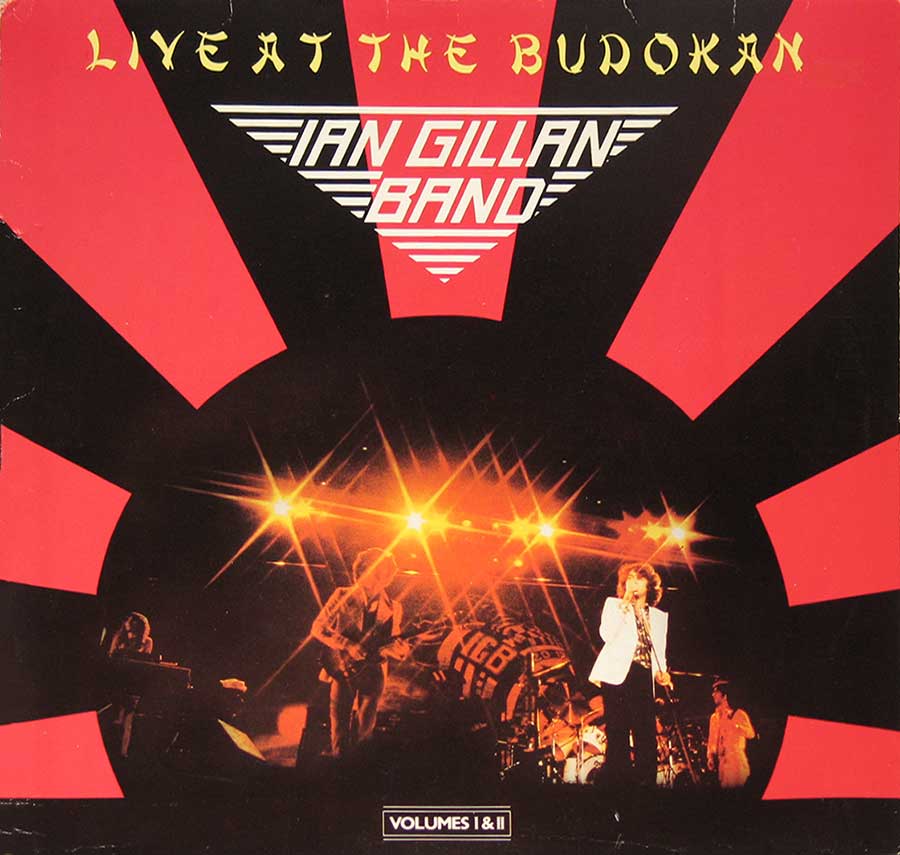
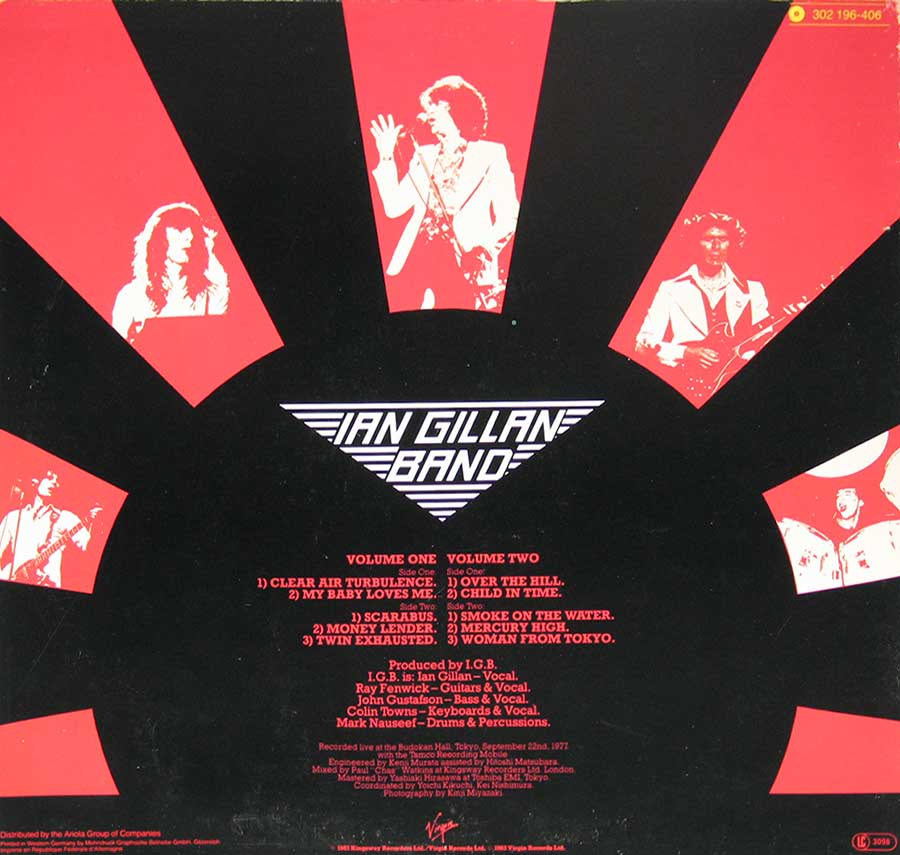
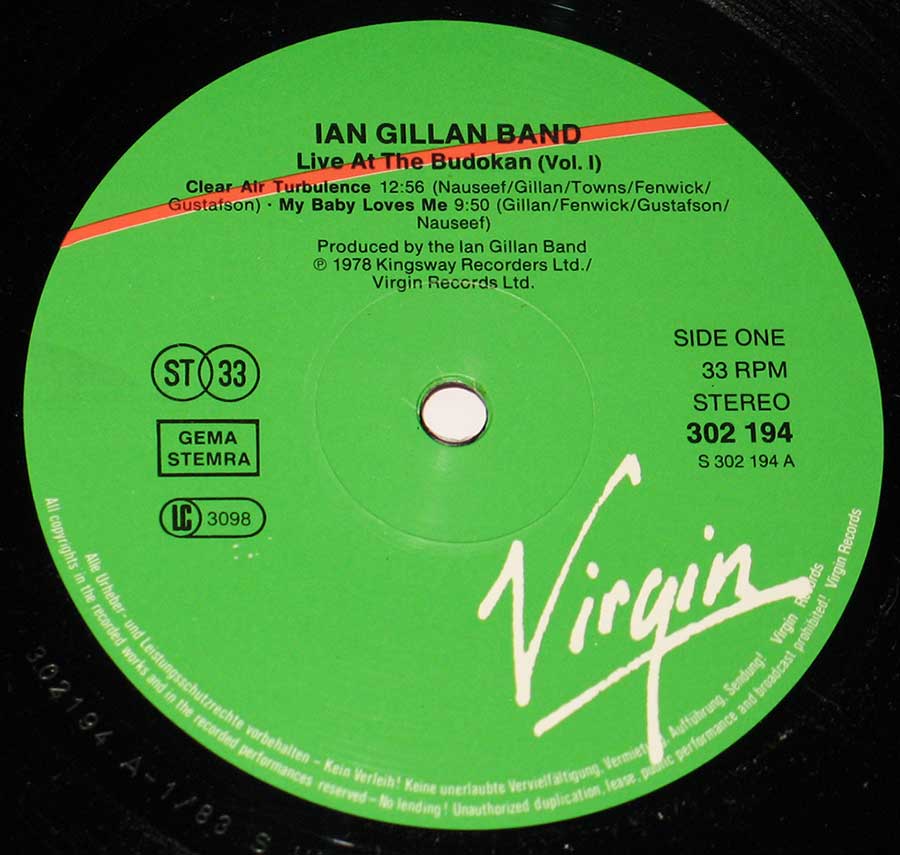
IAN GILLAN - Live at Budokan Vol I & II 2LP Vinyl Album
"Ian Gillan's 'Live at Budokan Vol I & II' unfolds across the expanse of a 2LP Vinyl Album, capturing the dynamic essence of his live performance. Renowned for his tenure with Deep Purple, Gillan's rendition of 'Child in Time' offers a distinct and exceptional interpretation. Recorded at the iconic Budokan venue, this double vinyl release immerses listeners in the energy and artistry of Ian Gillan's live showcase. The format ensures a sonic journey, celebrating the enduring legacy of a rock icon."