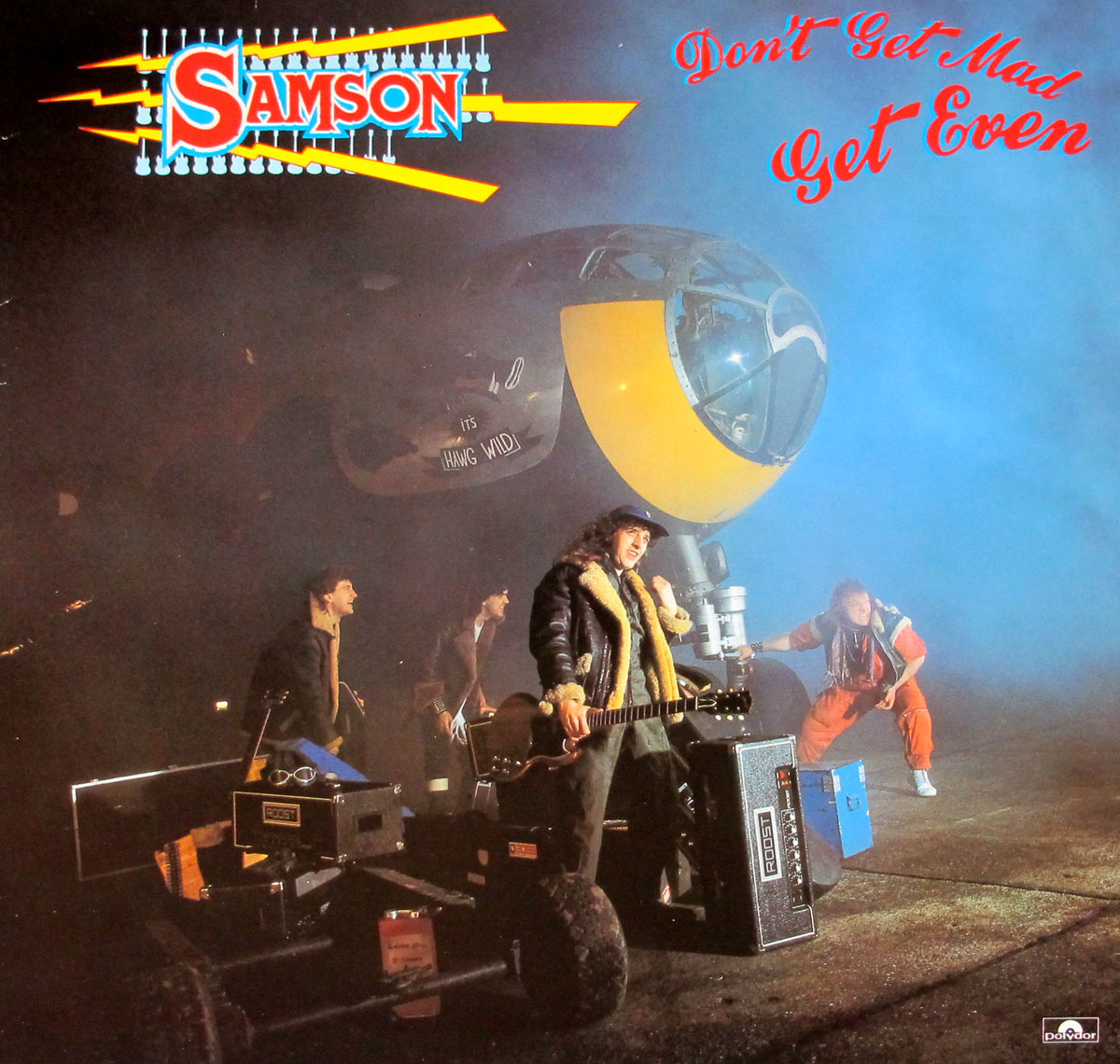
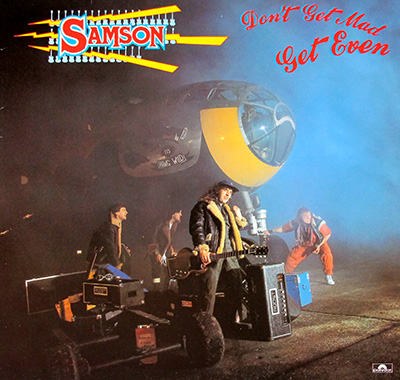
"Don't Get Mad - Get Even" (1984) Album Description:
SAMSON’s Don't Get Mad - Get Even is what you put on when you want proof a band can sound tired and stubborn at the same time. Road dust still in the hair, sure. But also that slightly colder air you get when a scene starts changing its mind. It’s their fifth album, and the page calls it a likely end-marker for NWOBHM—which is a fancy way of saying: the party’s getting raided by reality.
Introduction on the band and the album
SAMSON never wore just one jacket. They’d show up with NWOBHM stitched on the back, prog habits in the pockets, and metal hanging off them like cheap jewelry that somehow looks right. This record doesn’t try to “pick a lane.” It swerves on purpose. The title tells you not to get mad, and then the songs immediately start behaving like they absolutely will. So, liar title. Great start.
Historical and cultural context
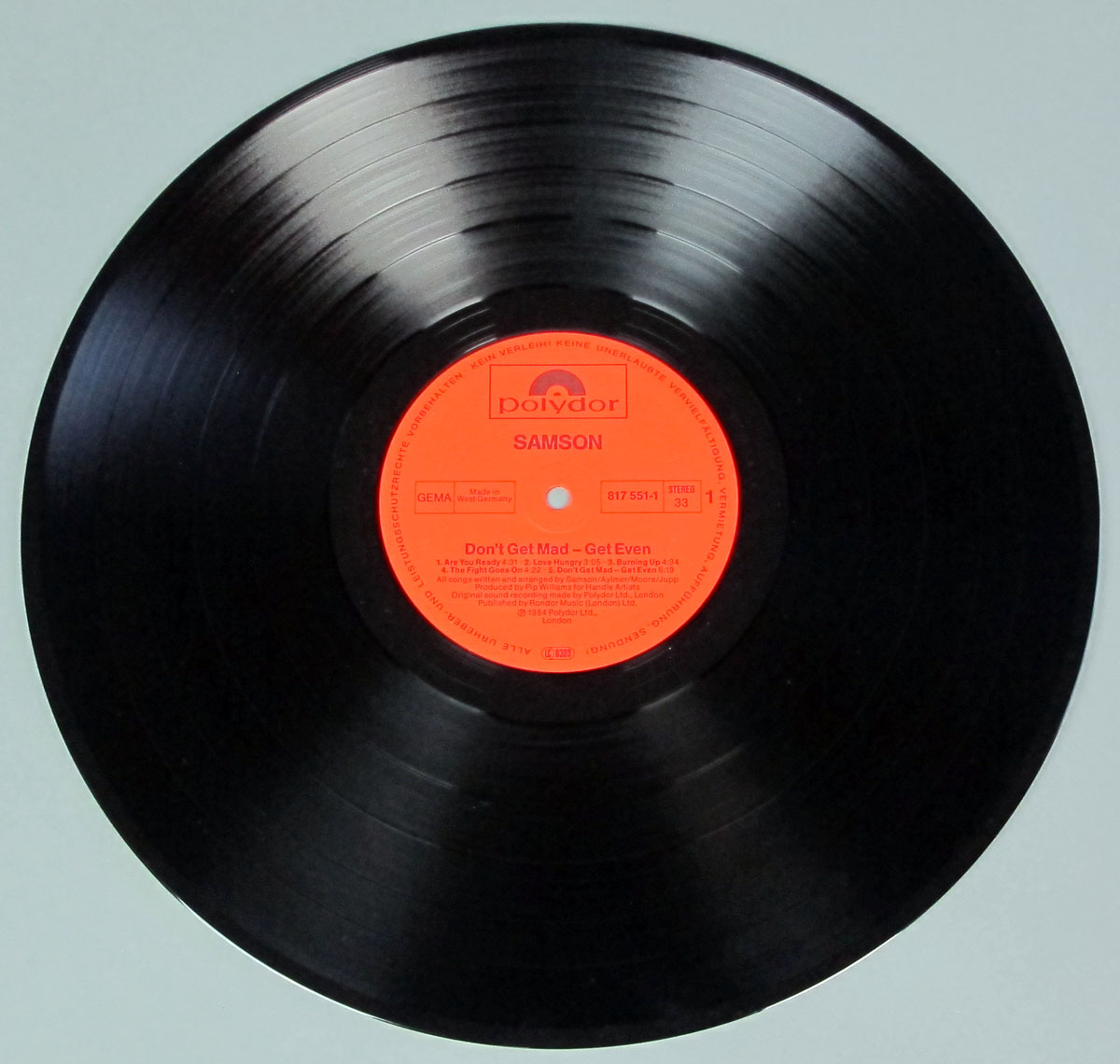
1984. And the copy here is “Made in Germany,” which is the kind of thing that hits me before the music does. British band, German pressing, European supply chain vibes. It makes the album feel like it belongs to a wider night-drive map—autobahn lights, cigarette glow, the sense that the UK club circuit isn’t the whole world anymore, even if it still thinks it is.
How the band came to record this album
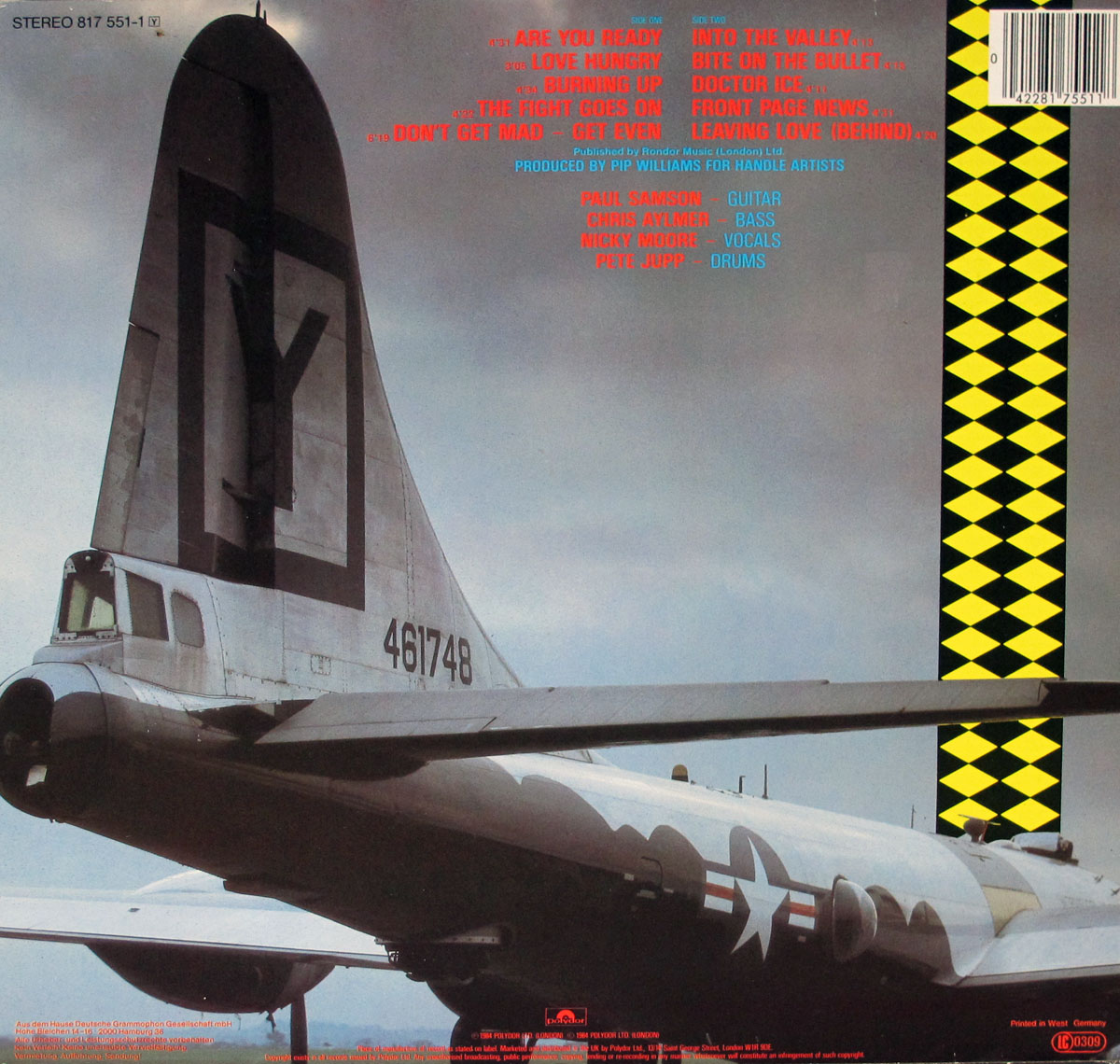
Flip the sleeve over and it’s all neat enough to look official: Polydor, catalog numbers, the adult handwriting of the industry. “Pip Williams” sits there as producer for Handle Artists, like a calm hand on a wild dog’s collar. You don’t bring someone like that in because everything’s perfectly fine. You bring him in because you want the teeth, but you also want the teeth to land on the beat.
The sound, songs, and musical direction
The tracklist doesn’t read like “album sequencing.” It reads like a band poking you with a finger to make sure you’re paying attention. Are You Ready kicks first. Not gently. Love Hungry doesn’t flirt, it lunges. And Don't Get Mad Get Even has that shout-back energy, like it was designed for a small sweaty room where the front row is already halfway into the chorus before the singer gets there.
Then SAMSON do the thing they always did: they get weird right after they get tough. Into the Valley shows up with a different kind of mood, and Doctor Ice sounds like somebody grinned while naming it. That contrast is the personality here. Heavy boots, odd little souvenirs in the pockets. You can hear them refusing to sand the edges down, even when the production tries to keep the picture in frame.
Comparison to other albums in the same genre/year
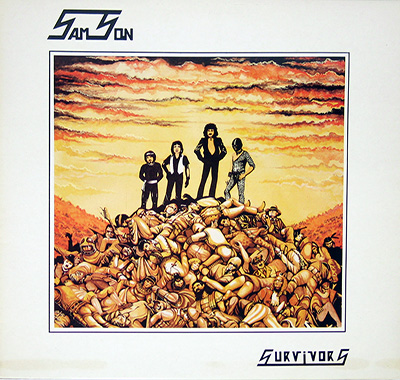
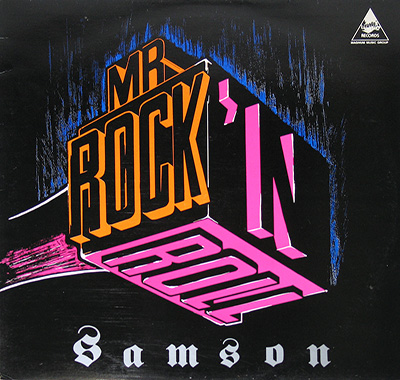
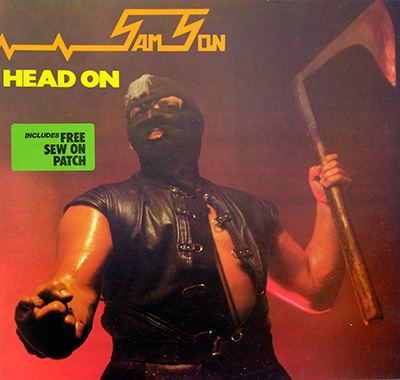
If you came here expecting “pure” anything, wrong address. Compared to the band’s own run—Survivors, Head On, and even the 1984 mini-LP Mr Rock And Roll—this feels like the moment the metal heartbeat meets a more deliberate structure and neither one backs off. Some records are a clean evolution. This one’s more like two instincts arguing in the hallway and deciding to walk onstage together anyway.
Controversies or public reactions
No scandal confetti on the page. No “banned,” no “sued,” no tabloid mess. Honestly? That almost fits. The real drama is quieter and meaner: that little claim about it being an end-of-era record. That’s not gossip, that’s a light switch. Everybody hates the moment the lights come on, even when the music’s still playing.
Band dynamics and creative tensions
The lineup reads like a straight-ahead unit: Nicky Moore on vocals, Paul Samson on guitar, Chris Aylmer on bass, Pete Jupp on drums. You can feel the band moving as one when they want to. But producers don’t appear out of thin air, and Pip Williams isn’t the type you hire for “vibes.” He’s a decisions guy. And decisions are where bands either sharpen up… or start watching each other a little too closely between takes.
Critical reception and legacy
The page frames Don't Get Mad - Get Even like a full stop for a whole wave, and that kind of label is sticky in the worst way. Still, the record doesn’t sound like a band waving goodbye. It sounds like a band digging in. Less “farewell,” more “we’re still here—try and move us.” Not everyone loves that mood. I do.
Reflective closing paragraph
There’s a certain satisfaction in seeing “Polydor 817 551” next to “Made in Germany” on a SAMSON LP from 1984. It looks built. Like it expects to be handled, replayed, and argued about by people who don’t agree on what “the end of an era” even means. I drop the needle and it doesn’t sound like an ending. It sounds like a band refusing to leave the room quietly. Which is basically the only respectable way to go.