"Bostin' Steve Austin" (1986) Album Description:
"Bostin' Steve Austin" is the sound of a Birmingham band grabbing pop hooks with one hand and a fuzz pedal with the other, then refusing to choose between fun and fight. It lands like bright, bratty pop-punk that still keeps one foot in New Wave’s twitchy keyboard glow, powered by stacked vocals, quick-change instrumentation, and a sense that the rules are there to be laughed at. The songs don’t pose as “serious rock,” but the intent is dead serious: get loud, get catchy, and get out before anyone can sand the edges down.
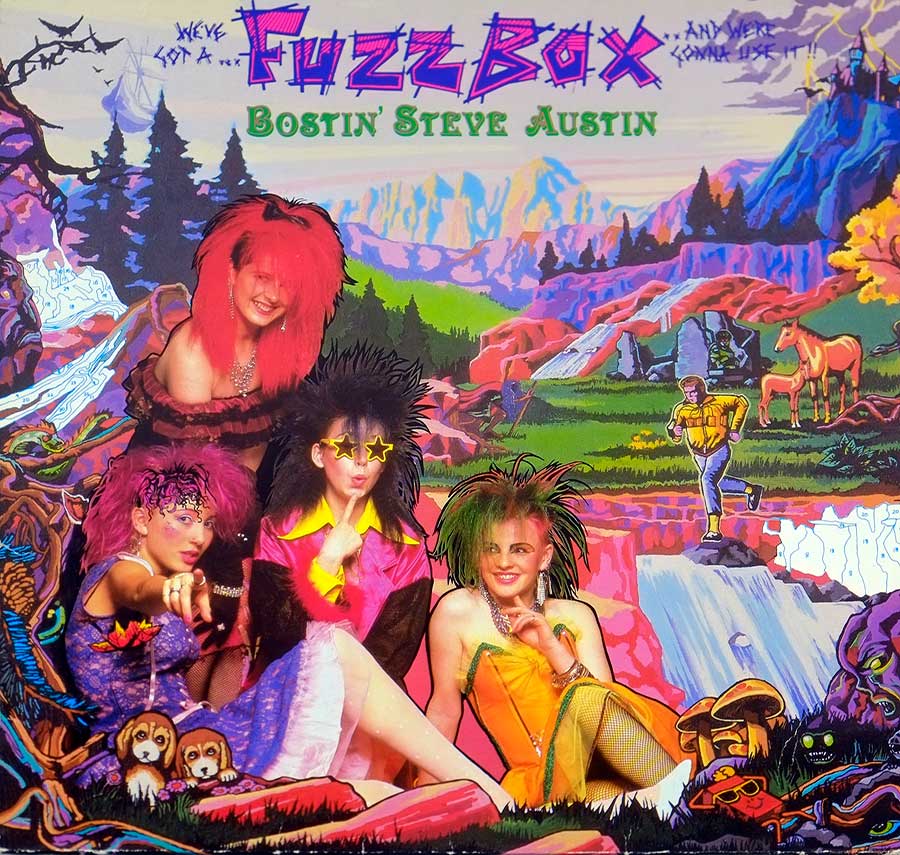
Britain and Birmingham in the mid-80s
Mid-80s Britain was all pressure and contradiction: money and media gloss in the big picture, while a lot of cities were still living with post-industrial fallout and youth frustration. Birmingham had a long history of loud, inventive music, but it also had that “prove yourself” chip on its shoulder, especially outside the London spotlight. In that climate, a band that sounded scrappy, looked outrageous, and didn’t ask for permission wasn’t a novelty act; it was a local survival skill with a beat.
This is also the era when indie scenes and radio tastemakers mattered in a direct, practical way. You didn’t need a polite origin story; you needed songs that could cut through a late-night broadcast or a packed club with a bad sound system. Fuzzbox came up as a gigging, learning-in-public unit, and you can hear it in the way the record prioritizes momentum over perfection.
What genre this actually is (and why it didn’t sit still)
Call it pop punk, call it alternative rock, call it New Wave with teeth: the point is the collision. The guitars bite, the rhythms snap, and the melodies keep grinning even while the lyrics throw elbows. Where a lot of mid-80s UK indie was leaning into jangle and wistfulness, this record goes for punch, color, and a kind of organized mischief.
The closest family tree runs through bands that treated pop structure like something you can mess with, not worship. Think of the post-punk tradition that kept the dance-floor pulse, plus the feminist-leaning UK underground that wasn’t interested in being “nice,” and then add a hook-first instinct that never apologizes for being catchy.
Musical exploration: the trick is how fast it moves
The album’s signature move is constant motion: voices stacking and swapping, instruments treated like shared property, and arrangements that keep changing shape before you can get comfortable. It’s not studio trickery pretending to be energy; it’s energy captured and then sharpened into songs that still feel slightly dangerous around the edges.
Fast reasons the album hits
- Harmony vocals that turn bratty lines into anthems.
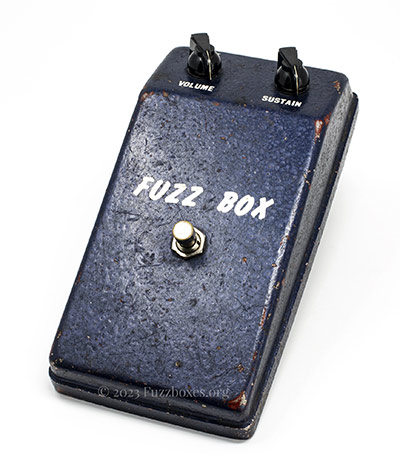
- Fuzz guitar used like a color, not a macho flex.
- Keys that sparkle without “softening” the attack.
- Rhythms that stay clipped and impatient, like the songs are late for something.
- A band feel where personality is part of the arrangement, not a marketing layer.
“Love Is The Slug” is the proof-of-concept: tight, direct, and weirdly sweet for something that still sounds like it could start a minor argument in a pub. “Rules And Regulations” leans into the band’s natural subject matter: social friction, control, and the fun of pushing back. And that wired take on “Spirit In The Sky” works because it doesn’t pretend to be reverent; it treats the song like a playground.
Key people and what they likely did for this record
Producer credit matters here because this kind of chaos needs steering to stay listenable. With Robert Lloyd attached on production, the album gets a sense of direction: takes that keep the snap, balances that keep the hooks visible, and a finish that still sounds like a band, not a lab experiment. The idea isn’t polish; it’s impact you can replay.
Engineering is where the “band in a room” becomes a record that survives real speakers, and that’s where Mark Bruce’s credit sits. The performances need to stay sharp without getting thin, and the vocals need to sit up front without killing the grit. Add the remix credit for Stephen Stewart-Short at Trident II, and you get that final-stage tightening: separation, punch, and the kind of clarity that helps the quick arrangements read.
Recording at Rich Bitch Studios in Birmingham fits the album’s DNA: local, direct, and built around getting results instead of overthinking the vibe. It’s the kind of place where you can keep the band’s identity intact because you’re not spending half the session trying to become something you’re not. The record sounds like it came from people who knew exactly what their city energy felt like and wanted it on tape, not translated.
Band timeline: formation and line-up changes
The story starts in Birmingham in 1985, with Vix and Jo meeting at school, then pulling in Maggie “Magz” Dunne and Tina O’Neill to complete the original quartet. Early releases built attention fast, partly because the songs had bite and partly because the band refused the usual “roles” on stage, swapping instruments and leaning into a shared-frontline approach. That flexibility becomes a musical feature on the album, not just a trivia detail.
Not long after this era, the band’s path takes a sharp turn toward a more mainstream, slick pop presentation on the next album cycle. That contrast makes "Bostin' Steve Austin" feel like a snapshot of the earlier mission: brash, hooky, and proudly off-center, before the industry pressure to “streamline” the concept really kicks in.
Controversies and flashpoints
The album’s flashpoints are mostly about content and posture: titles and themes that were never designed to be polite, plus a presentation that made some critics instantly reach for dismissive language. “XX Sex” is the obvious grenade in the track orbit, not because it’s subtle, but because it isn’t trying to be. It sits in that classic UK punk-adjacent tradition of saying the thing out loud and letting everyone else deal with it.
There was also a predictable cultural backlash to the band’s feminism-as-fun stance: the idea that you can be catchy, confrontational, and unserious at the same time seemed to confuse people who needed women in bands to pick a single “acceptable” lane. Fuzzbox didn’t pick. That refusal is part of what made the record feel like a provocation even when the choruses are basically begging to be sung back.
“Another enticing slice of fun… just as uninhibited and entertaining.”
Quick listening guide
If the goal is to hear the album’s whole personality in a few moves, start with the singles and the rule-breakers. The singles show how efficiently the band can write, and the sharper tracks show how little they care about sounding “approved.” Either way, the through-line is the same: hooks with attitude, and attitude with actual songs behind it.
- “Love Is The Slug” for the hook-first mission statement.
- “Rules And Regulations” for the friction, the bite, and the point.
- “Spirit In The Sky” for the band’s talent at controlled chaos.
- “XX Sex” for why the record could still make people uncomfortable.
References
- Wikipedia: We've Got a Fuzzbox and We're Gonna Use It!!
- Official Charts: “Love Is The Slug” at No. 31 (chart dated 16 Nov 1986)
- Music Week (15 Nov 1986): trade review context
- Sounds (7 Mar 1987): contemporary press reaction to songs/themes
- Ticketmaster UK: “WTF is… C86?” (indie scene context)
- 4rfv: Rich Bitch Studioplex (Birmingham facility context)
- Rough Trade Publishing: Fuzzbox bio notes and mid-80s release context
- Discogs: “Bostin' Steve Austin” master entry (credits/variants overview)
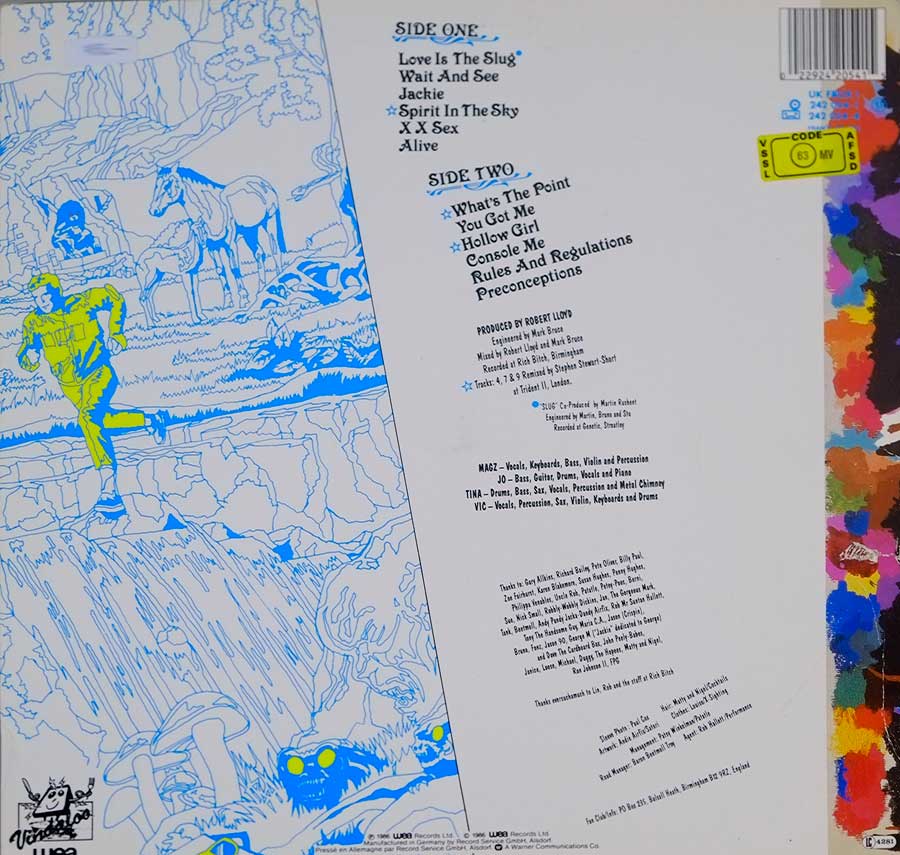


![Close-up of the green-and-lime WEA label for Fuzzbox’s “We’ve Got A Fuzzbox And We’re Gonna Use It – Bostin’ Steve Austin” (FBOX 1): ‘SIDE ONE [over]’ printed at top, but both Side One and Side Two tracklists appear in hot pink with durations; a white-and-blue outline drawing of a running person dominates the right, ‘GEMA/BIEM’ box sits left, ‘LC 4281’ oval sits right, and a ‘33’ triangle marks 33 rpm at the bottom.](/new-wave/photo-gallery/fuzzbox/A0069-Fuzzbox-Bostin-Steve-Austin-1083.jpg)