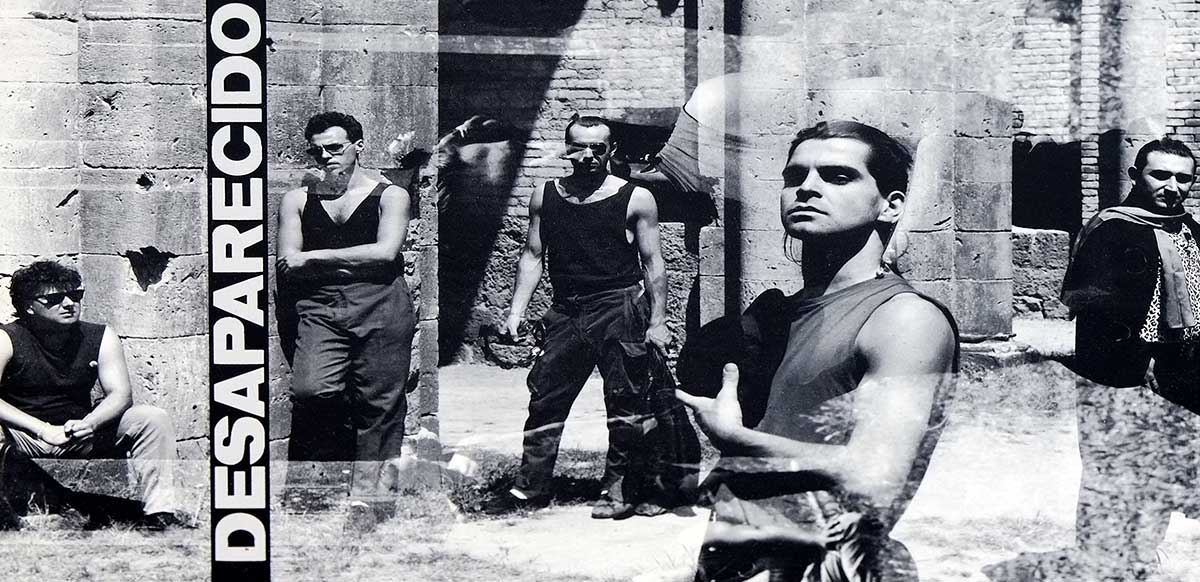
LITFIBA Band Description:
LITFIBA didn’t arrive politely. They came out of early-80s Florence like a draft through a cracked window—cold, restless, impossible to ignore. This was a city drowning in art history, and they sounded like they wanted to kick a hole in the wall just to let the present breathe.
I always think of them as a band built from tension. Ghigo Renzulli worrying riffs into sharp shapes. Gianni Maroccolo’s bass moving low and deliberate, like it knew something the guitars didn’t. Piero Pelù pacing the microphone, half street poet, half street fight. You could hear rehearsal rooms in it—sweat, arguments, cigarettes burning down too far.
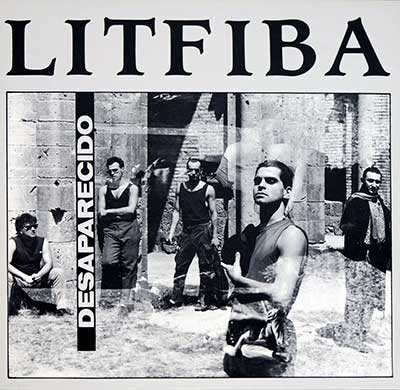
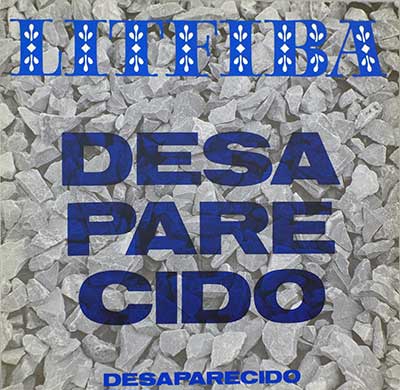
When "Desaparecido" landed in 1985, it didn’t feel like a debut so much as a document. Uneasy songs, nervous energy. Their take on Bowie’s “Yassassin” didn’t bow to the original; it shoved it sideways and made it local, Italian, slightly hostile. That mattered. It sounded like choice, not tribute.
The earlier EPs—"Eneide di Krypton", "Terremoto"—still smell like experiment and risk. Not everything fits. That’s the point. Punk tension, new wave angles, Mediterranean melodies sneaking in when you weren’t looking. They didn’t “blend genres”; they collided them and lived with the mess.
Singing in Italian wasn’t a statement, it was a refusal. Refusal to export themselves in borrowed accents. Pelù’s phrasing leans into the language, stretches it, spits it out political, social, impatient. Sometimes it’s poetic. Sometimes it’s abrasive. Usually it’s both in the same breath.
People like to summarize Litfiba as influential. That’s tidy and mostly useless. What I remember is how they made Italian rock feel less apologetic, less like it was asking permission from London or New York. They didn’t clean it up. They left the fingerprints on. Even now, that choice still hums under the surface, unresolved.