"Prince Of Darkness" (1985) Album Description:
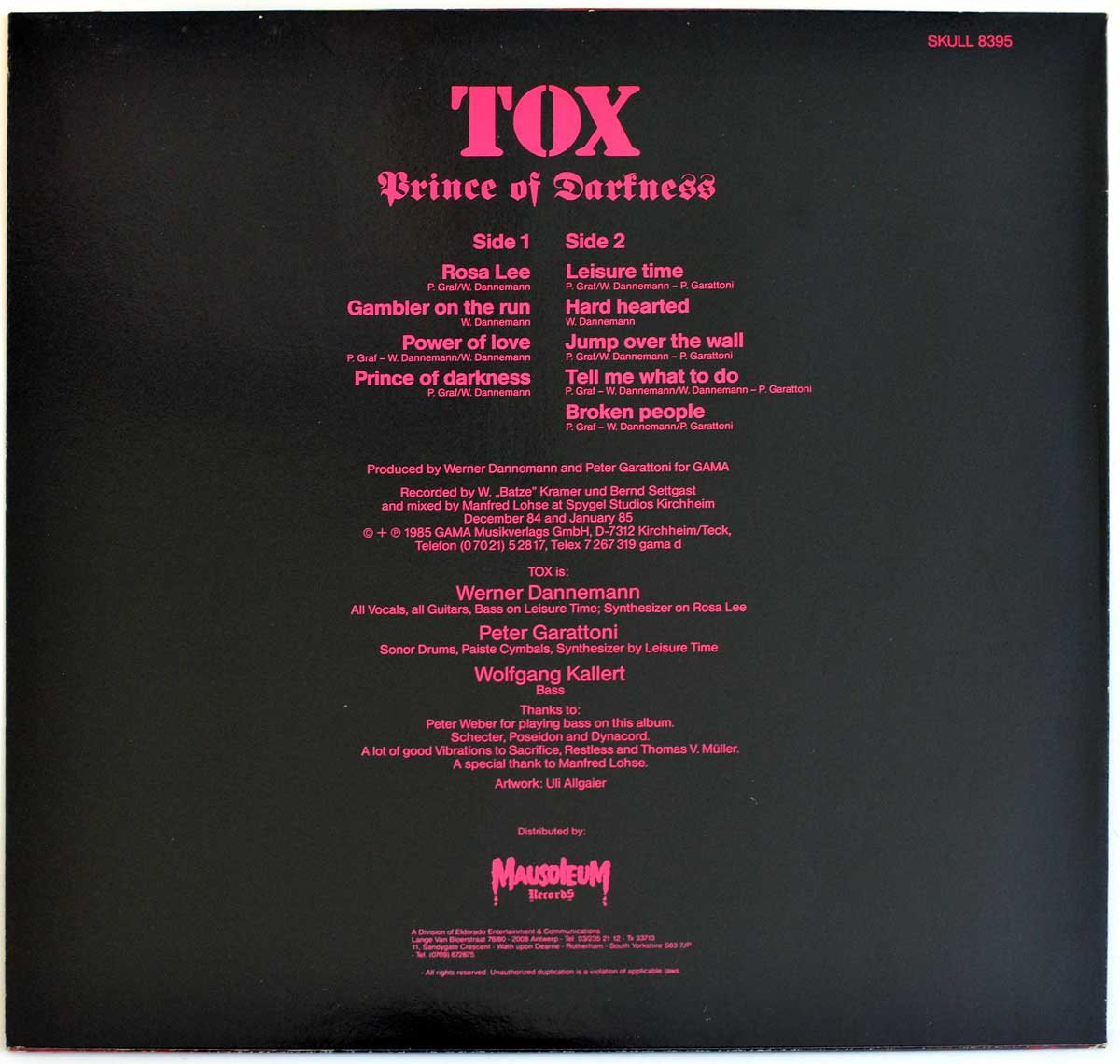
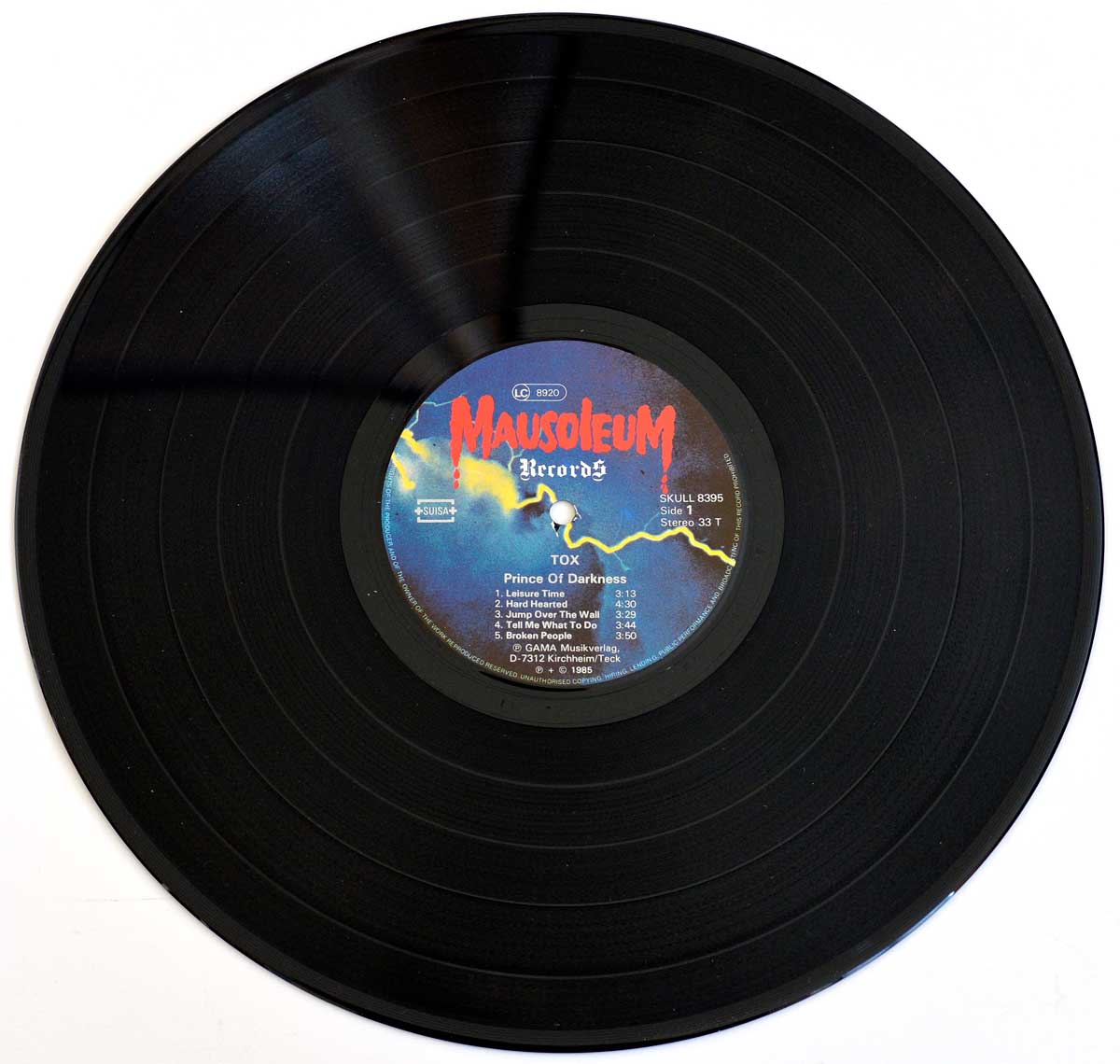
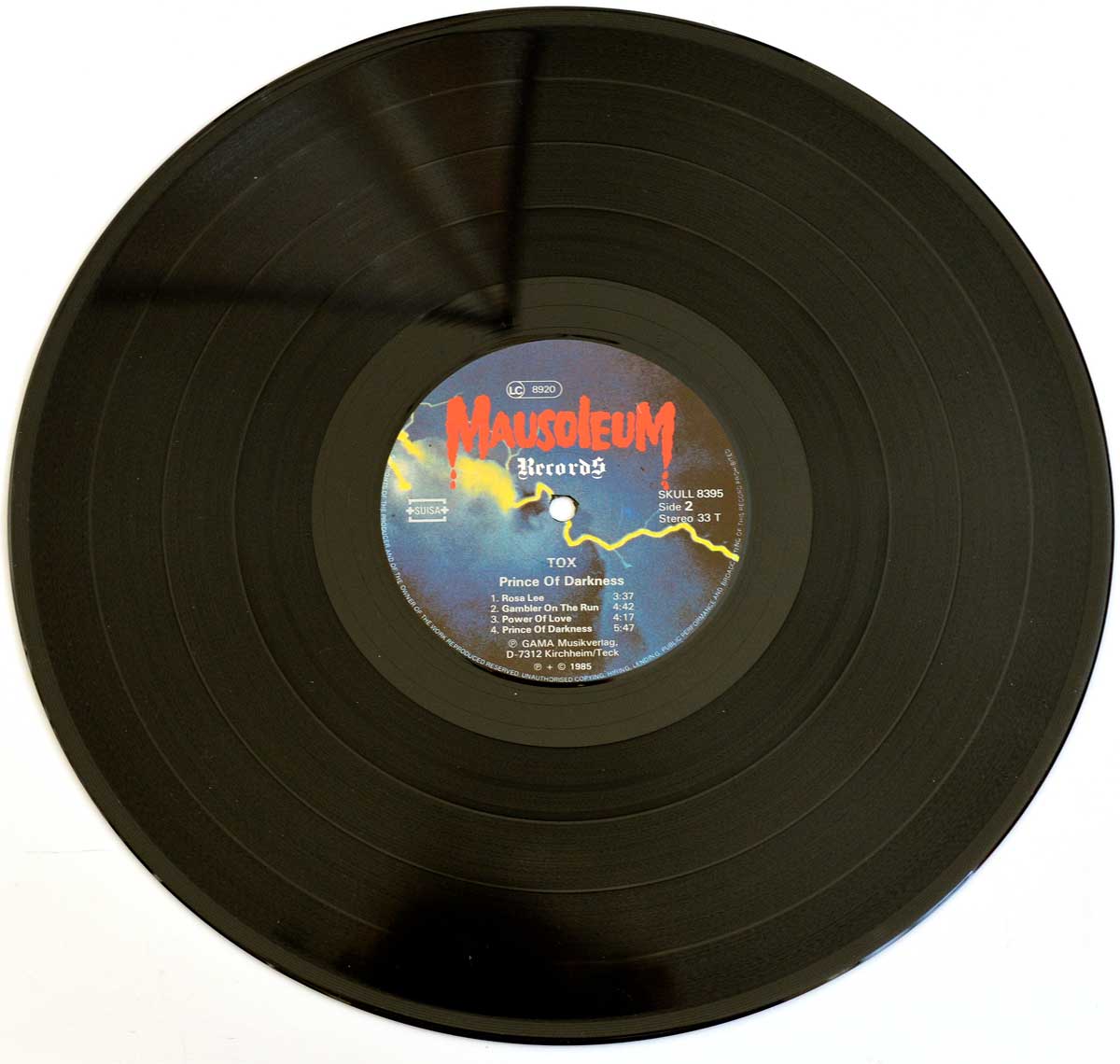
TOX’s "Prince Of Darkness" always feels like winter. Real winter. Cold studio air, coats not quite off yet, coffee already burnt by the time the tapes start rolling. It was their first album, recorded in December 1984 and January 1985 at Spygel Studios in Kirchheim, Germany, and it carries that season in its bones. The Swiss SUISA pressing on Mausoleum Records, no barcode anywhere, still feels like a quiet nod between collectors. You either clock it instantly, or you don’t.
1. Introduction on the band and the album
TOX don’t sound like a band trying to charm strangers. This debut feels inward-facing, like they were mostly trying to prove something to themselves. Werner Dannemann handles vocals, guitars, and bass, which already tells you plenty about control and stubbornness. Peter Garattoni sits behind the drums, Wolfgang Kallert takes on bass, and the whole lineup reads less like a master plan and more like a carpool that somehow made it to the studio on time.
2. Historical and cultural context
Mid-80s European metal wasn’t interested in manners. It was loud, theatrical, and always in motion. Records crossed borders faster than bands did, and Switzerland quietly became one of those transit zones where things got pressed, stamped, and released back into the wild. Pressings that now make collectors squint at labels like they’re reading tea leaves.
Nobody was chasing respectability back then. The goal was simpler: sound alive before the money, patience, or bandmates ran out. "Prince Of Darkness" sits right in that moment — fantasy imagery, big titles, and music that wants to stick rather than shock.
3. How the band came to record this album
The credits read like a band grabbing the steering wheel early. Produced by Werner Dannemann and Peter Garattoni for GAMA, recorded by Walter “Batze” Kramer and Bernd Settgast, mixed by Manfred Lohse. That’s not distance, that’s involvement. You can almost hear the discussions mid-take: no, again, louder, tighter, like this.
Even the name carries that rehearsal-room blur. The page mentions TOX was originally meant for one of Werner’s dogs, then somehow “the band FOX was born.” It doesn’t quite line up. That’s fine. Band history rarely does. Memory, myth, and noise tend to overwrite each other.
4. The sound, songs, and musical direction
This album doesn’t sneak up on you. It steps forward. The riffs don’t shimmer; they speak plainly. Loud enough to survive cheap speakers, bad rooms, and impatient listeners. Everything moves, nothing drifts.
The title track "Prince Of Darkness" stretches out and refuses to rush, like a band testing how long it can hold your attention. "Gambler On The Run" feels like motion without panic — late roads, bad ideas, headlights cutting through doubt. "Power Of Love" goes all in on the phrase, no irony, no wink. "Broken People" closes the record a little worn down, still melodic, but with darker corners left unpolished.
5. Comparison to other albums in the same genre/year
1985 was crowded. Everyone was loud. Some bands chased speed, others chased darkness, some chased stages they hadn’t seen yet. TOX didn’t really chase anything. They chose clarity and songcraft instead.
- Accept – "Metal Heart" (1985): bigger, cleaner, built for arenas, but sharing that German instinct for hooks and precision.
- Helloween – "Walls of Jericho" (1985): sharper and faster, while TOX keep their feet planted.
- Celtic Frost – "To Mega Therion" (1985): darker, heavier, almost another universe entirely — which makes TOX feel like the local bar that still pours proper beer.
6. Controversies or public reactions
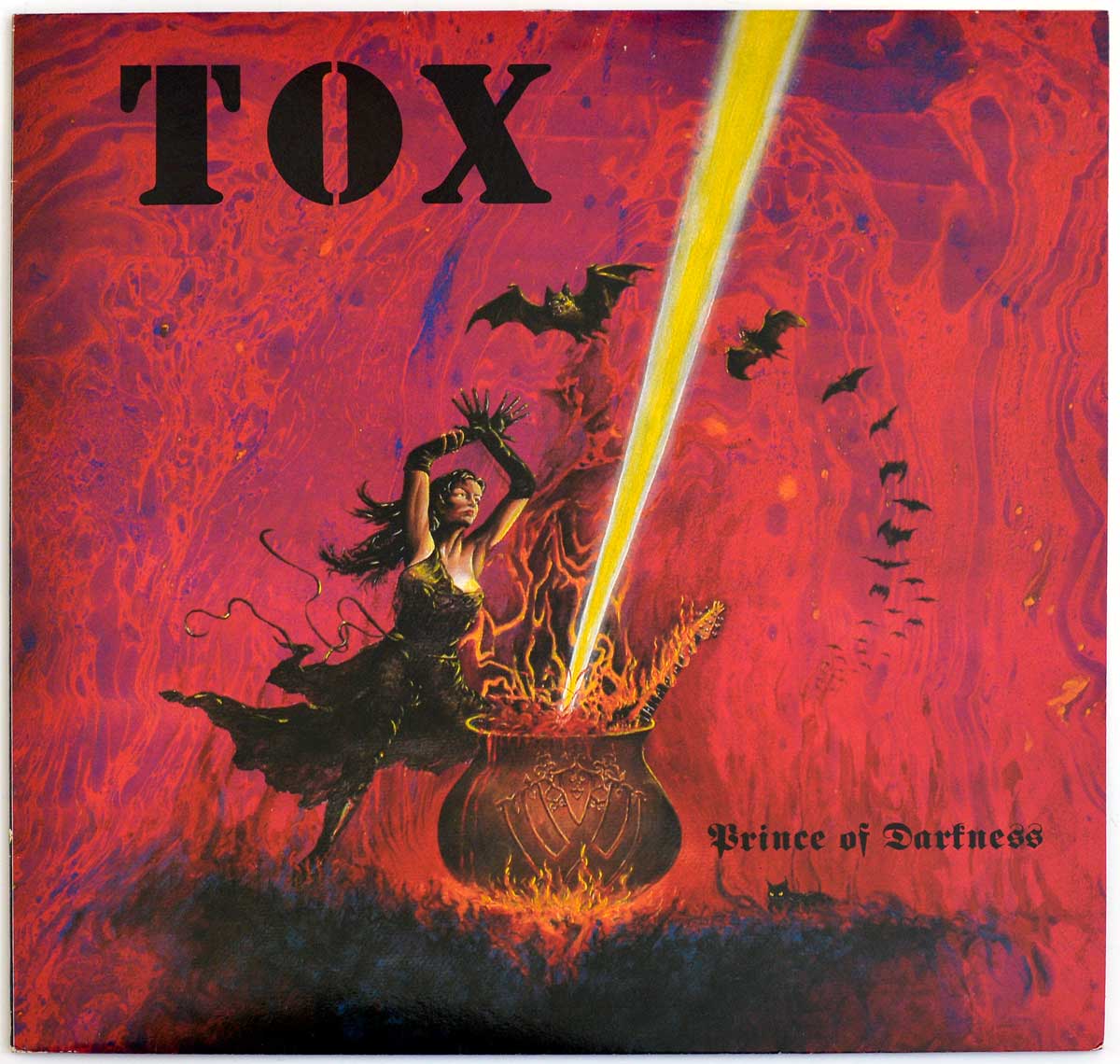
No scandals jump off the page. Still, the title and cover do their quiet provocation work: occult flavor, fantasy drama, bats practically implied. Some people probably frowned. Most just turned it up and let it play.
7. Band dynamics and creative tensions
When one person sings, plays guitar, and plays bass, it usually means two things: vision and pressure. That kind of setup can tighten a band or stretch it thin. Either way, it explains why this album feels directed. Nothing sounds accidental.
Add self-producing into the mix and you get that early-band urgency — decisions made quickly, commitment over perfection, no luxury of endless studio hours. The record sounds like people choosing, not drifting.
8. Critical reception and legacy
What survives now are the details: the Swiss SUISA credit, the no-barcode sleeve, the Mausoleum SKULL 8395 identity. This is how the album lives today — as a collector’s object and a frozen moment of intent.
Mausoleum Records, Belgian and stubbornly vinyl-focused, gave records like this room to exist. Underground distribution, niche audiences, odd pressings that later become the fun stuff to hunt. No charts required.
9. Reflective closing paragraph
I keep "Prince Of Darkness" because it still sounds like a beginning that wasn’t sure there’d be a follow-up. Winter sessions, fantasy fire on the sleeve, a Swiss pressing that never felt the need to explain itself. Every time it comes out of the sleeve, it smells faintly of dust, cardboard, and ambition that hadn’t learned caution yet. Some records grow up. This one just stayed honest.