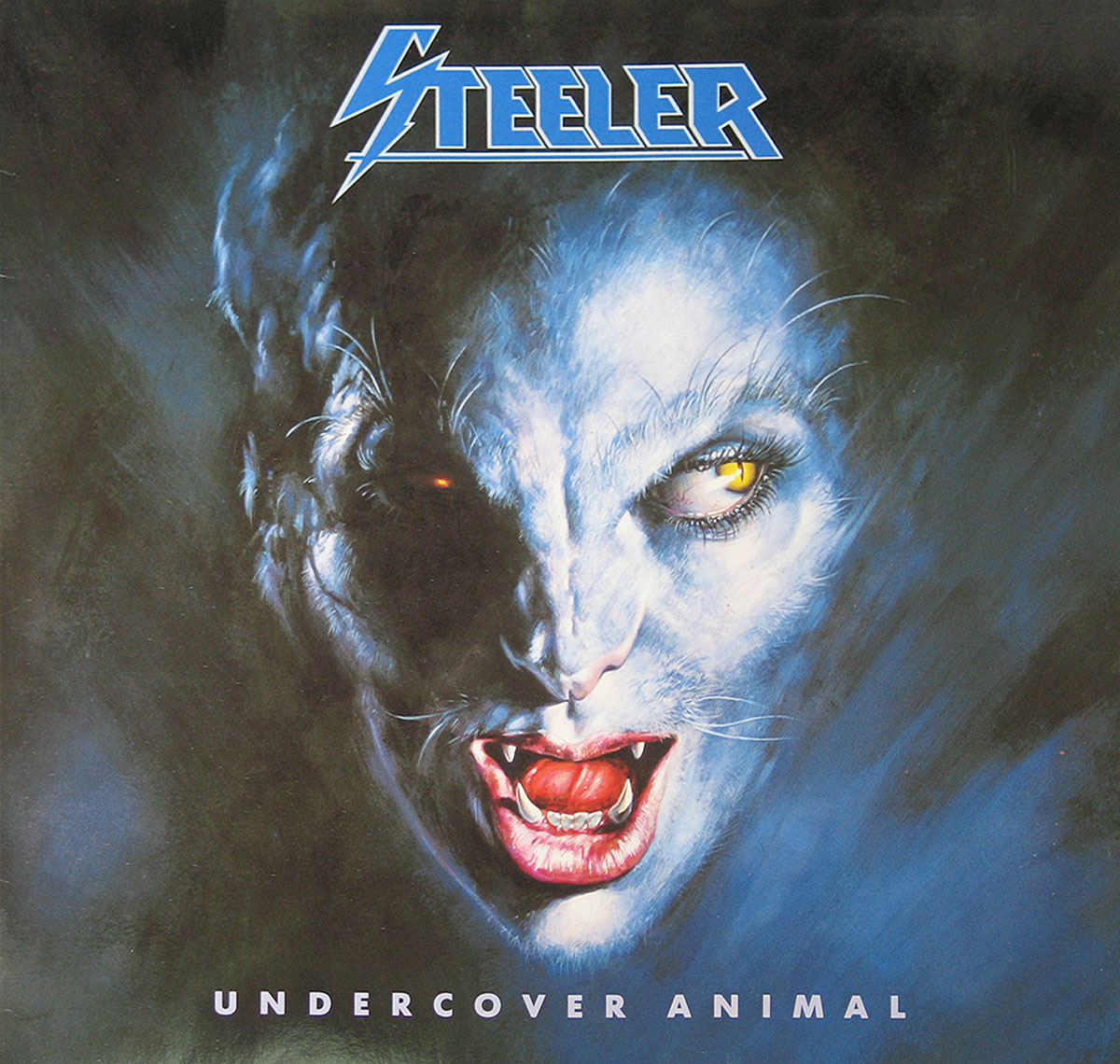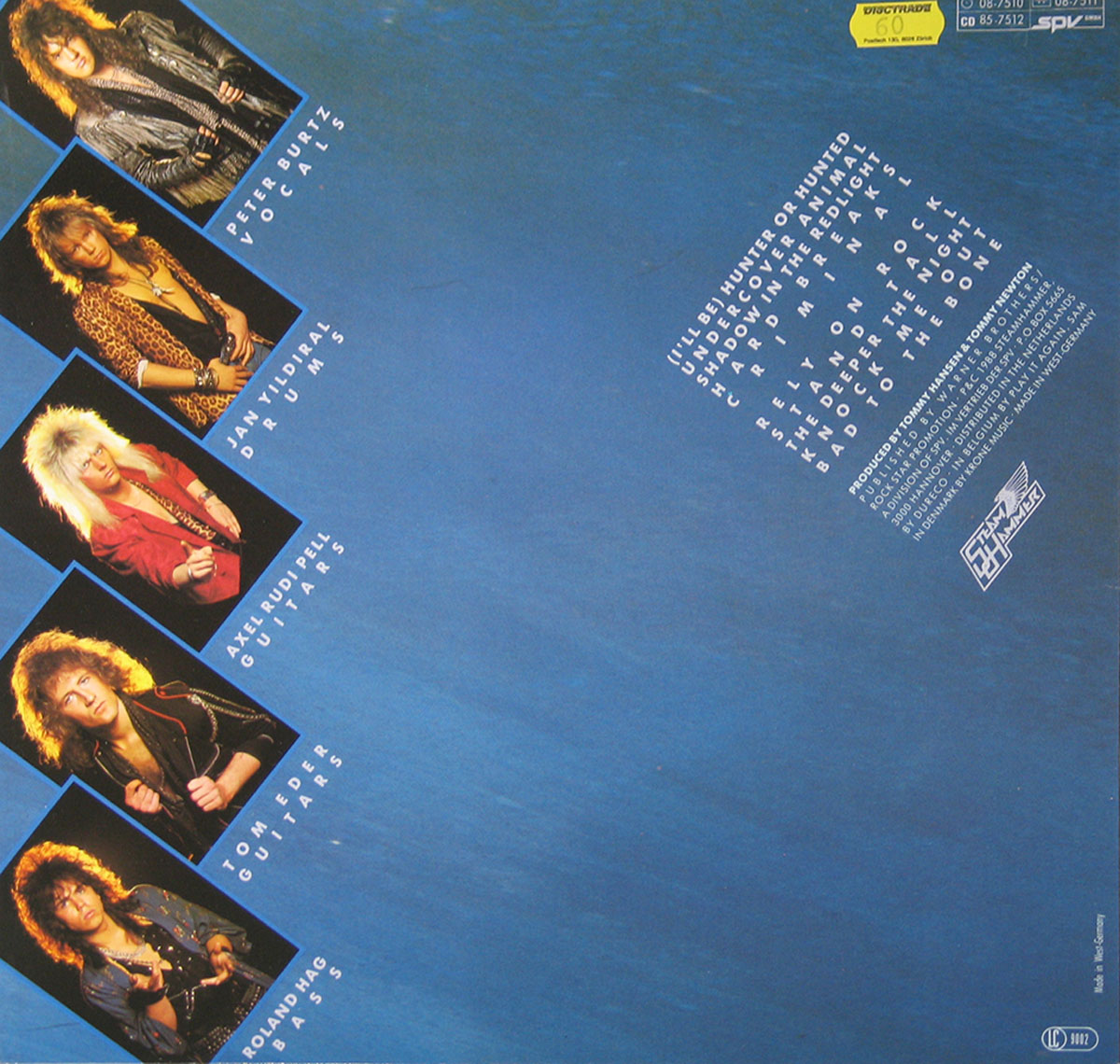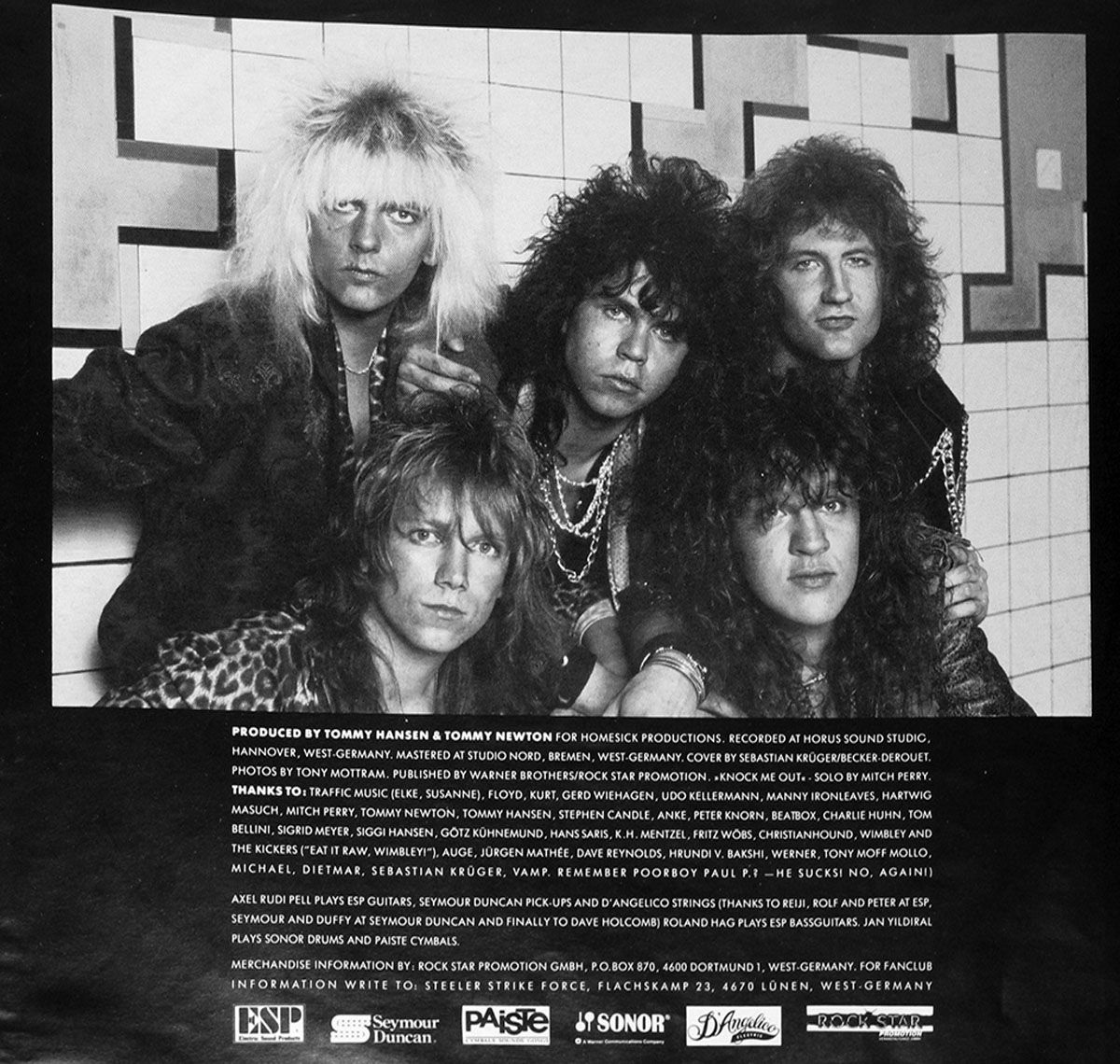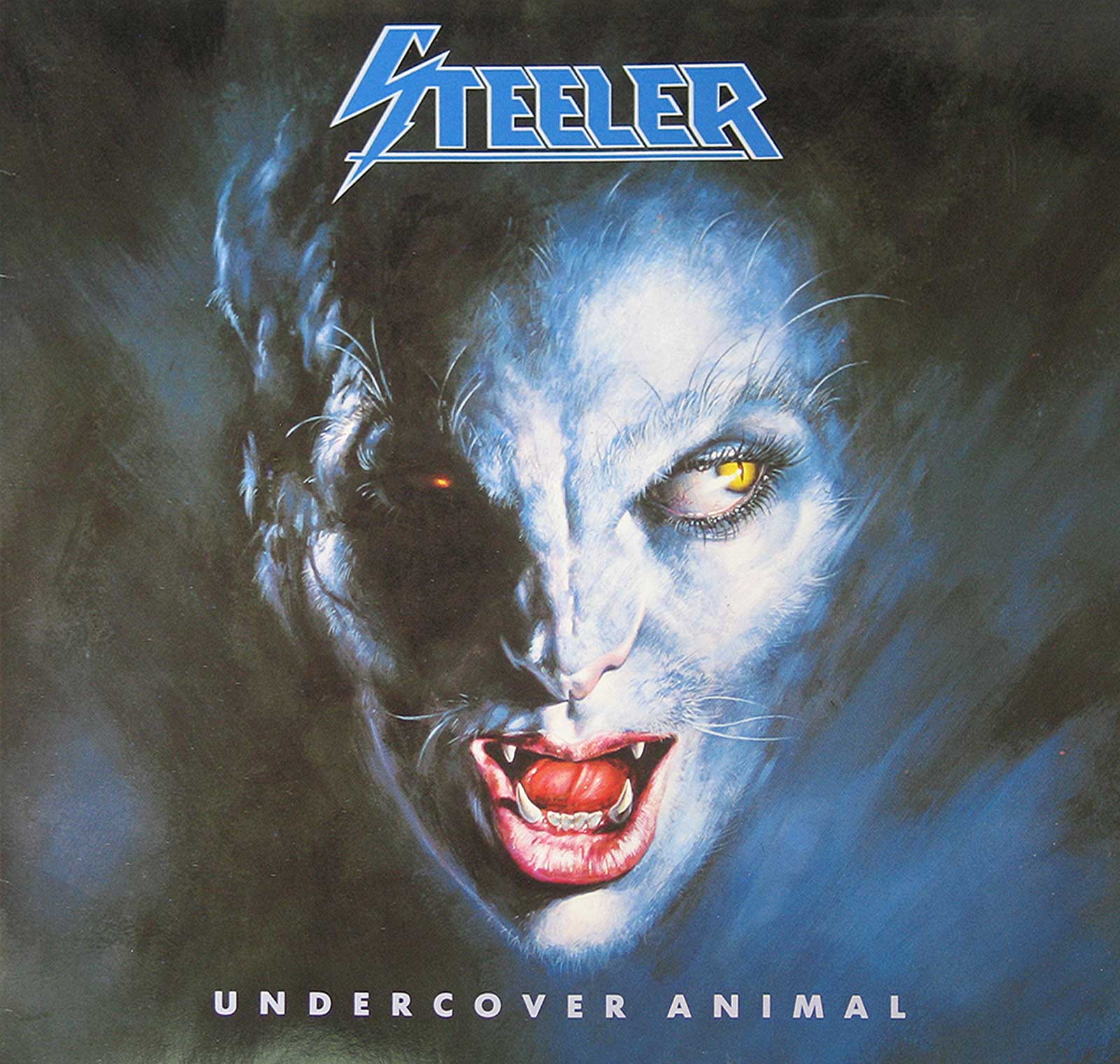
"Steeler" (1984) Album Description:
In 1984, West German metal no longer sounded like a kid borrowing somebody else's leather jacket. It had started to grow its own shoulders. Out of Bochum, Steeler came in with a debut that felt less like fantasy and more like workshop heat: twin guitars, tight corners, no patience for fluff, and that stubborn Teutonic habit of making melody sound as if it had been riveted together under bad fluorescent light.
What pulls me in is the friction. This thing is not as feral as early Running Wild, not as blunt-force as Grave Digger, and not wearing the big chest-out authority Accept could already throw around. It is a band caught in the best possible place: still carrying club sweat in the seams, already reaching for something larger, and not quite graceful about it. Good. Grace was never the point.
Ruhrgebiet steel, not showroom chrome
You can feel where this record comes from. Early-80s West Germany was full of young bands who had stopped asking London for permission and stopped caring what Los Angeles thought was glamorous. The clubs wanted volume, movement, and songs that could survive a room full of bad beer, denim, and cheap smoke. Labels like Earthshaker were catching that surge before anybody had time to overcomb it.
Steeler had already spent the start of the decade wobbling toward the right shape. By the time Peter Burtz was in front, with Axel Rudi Pell and Tom Eder locking the guitars together, Volker Krawczak on bass, and Jan Yildiral behind the kit, the band finally sounded like it had quit arguing with itself. That matters. This debut does not feel invented on paper. It feels assembled under pressure.
The people who made it bite
Axel Thubeauville produced it the sensible way: keep the room clear, keep the attack intact, don't drown the band in studio perfume. Recorded in January and February 1984 at Studio Wahn in Bochum, the album gets real mileage out of Ralf Hubert's engineering and mix work. The guitars cut instead of blur. The drums move without turning into cardboard. Even when the sound stays lean, it does not feel starved.
Pell is still hungry here, which I prefer to polish. He is not yet doing the grand, velvet-cape version of himself people later attached to his name. He is pushing. Eder helps more than casual listeners give him credit for; the second guitar thickens the whole frame and keeps the record from becoming a one-man flyer for lead breaks. Burtz, meanwhile, does the smart thing and sings like he wants the song to land, not like he is auditioning for some medieval wallpaper opera.
How it moves
The attack is the first thing. Riffs come in dry, clipped, and impatient. They do not shimmer; they jab, drag, and lean. Songs like "Chains Are Broken" and "Heavy Metal Century" carry that proper Teutonic chug, while "Call Her Princess" and "Fallen Angel" show the band knew when to let a melody breathe without going soft in the knees.
That balance is where Steeler separates itself from some of the other German names circling the same year. Warlock had more theatrical voltage. Running Wild were scruffier, more salt-and-rust. Grave Digger hit like a boot to the ribs. Avenger were already sniffing around sharper speed-metal pressure. Steeler sat in a narrower lane: twin-guitar heavy metal with enough street grit to avoid posing, enough shape to avoid becoming rehearsal-room noise.
I hear impatience all over this record, and I mean that as praise. The tempos keep nudging forward. The choruses arrive like they have somewhere to be. Even the solos do not drift off into self-admiring fog; they stay tethered to the songs, sparks flying off the same steel beam.
The confusion around it
There was no grand public scandal tied to this LP, no moral panic, no courtroom circus, no deliciously stupid ban. The real nuisance was simpler and duller: people mixing this German Steeler up with the American band of the same name. That confusion has hung around for years, and it still muddies lazy write-ups. Different band. Different city. Different scene. Different smell entirely.
My quiet anchor with a record like this is a late-afternoon shop visit, the kind where the fluorescent tubes made every sleeve look a little sick. You flip past the imports, see the name, see the two-guitar lineup, and the decision is made before your brain catches up. Some records announce themselves like that. No speech needed.
What I like most is that "Steeler" still sounds as if nobody had told them to relax. Good. Relaxed metal is usually where the trouble starts. This one still has boiler-room heat in it, still has the Stahlgeruch of a band trying to hit harder than the room expects, and it never once mistakes neatness for power.
References
- Metal Archives - "Steeler" album credits, track list, and recording information
- Discogs - 1984 LP release details and personnel
- BNR Metal Pages - Steeler discography and band overview
- Wikipedia DE - German Steeler band history and lineup background
- Vinyl-Records.nl - high resolution Steeler album cover photos