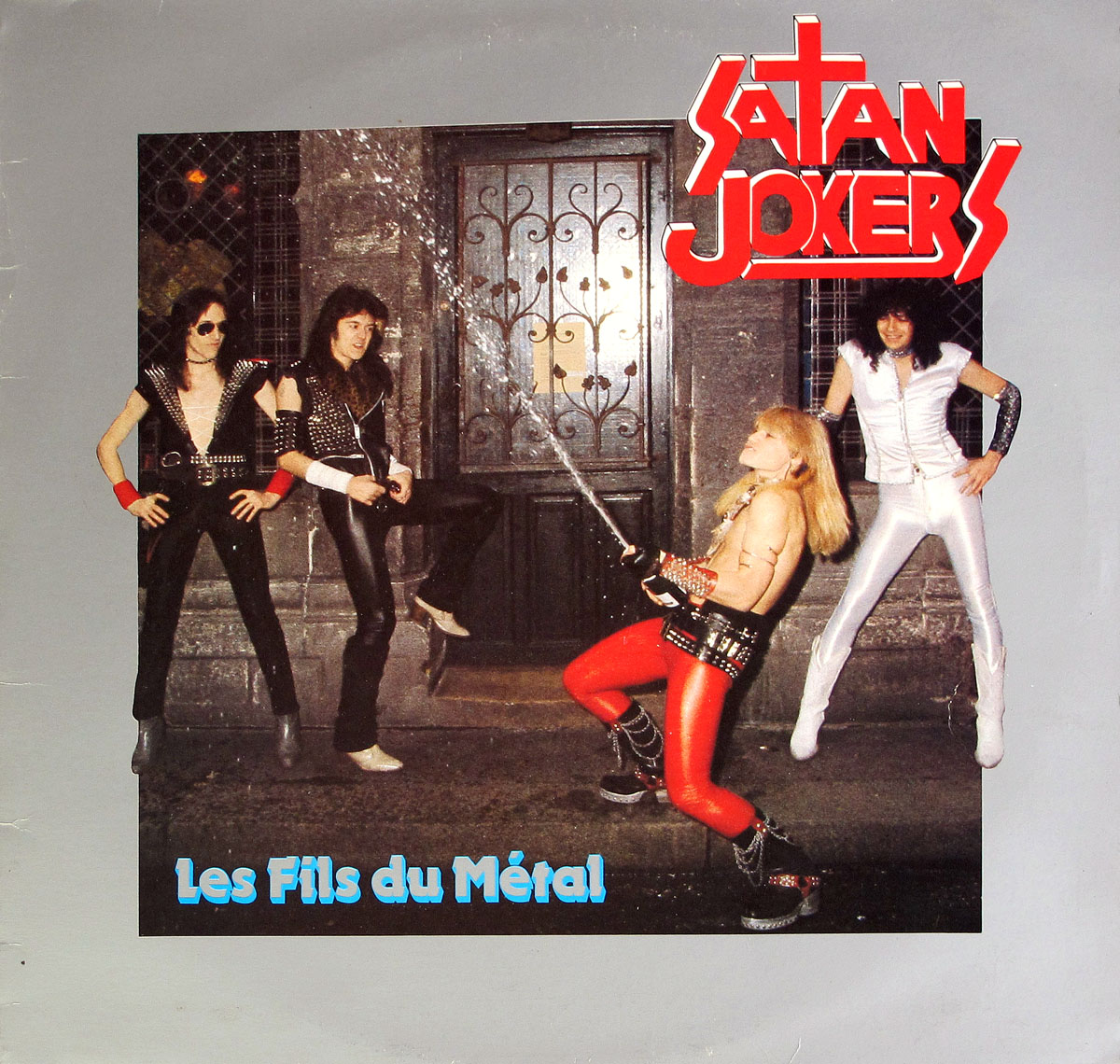
"Les Fils du Metal" (1983) Album Description:
In France in 1983, heavy metal wasn’t supposed to speak French this loudly, this proudly, and this unbothered. "Les Fils du Metal" kicks the door with a debut that feels like a gang chant and a streetlight confession at the same time: sharp riffs, big lungs, and a theatrical streak that doesn’t apologize for being extra. It’s got that early-’80s tension in the air, the kind that makes a band hit harder just to be heard, and Satan Jokers swing like they mean it: no polite hard rock handshake, just “on y va” and let the amps argue.
France, 1983: the vibe was not exactly “relax and be normal”
The country had that odd mix of optimism and clenched teeth: big political promises a couple years earlier, then the economic reality-check landing like a cold ashtray on the table in 1983. Radios libres were still feeding kids new sounds on the FM dial, and the rock crowd was splitting into tribes: some chasing glossy stadium dreams, others wanting something that grinds, bites, and smells like the metro at midnight.
That matters because this album sounds like it was made by people who didn’t expect permission. It’s metal as a local dialect, not an import brochure. Du metal bien nerveux, with a little “ça passe ou ça casse” built into the pacing.
Where it sits: not NWOBHM cosplay, not Parisian art-rock, something meaner
In the same year, England had Iron Maiden and Saxon refining speed and hook, Germany had Accept sharpening the steel, and Judas Priest were already writing the rulebook in permanent ink. Over in France, Trust had the bite and the attitude, Sortilège had the fantasy sheen and precision, Warning leaned into darker, heavier mood, and ADX were gearing up for that wild, scrappy French take on speed and heavy.
Satan Jokers land in the middle of that crossfire: tougher than hard rock, less “battle jacket myth” than some peers, and more theatrical in the voice and arrangement. Think riffs that punch first, then step back to let the drama breathe.
The sound: attack, space, and that “French-language swagger” that shouldn’t work (but does)
The guitars have a dry, cutting edge, like they’re slicing through cigarette smoke. The rhythm section doesn’t just keep time; it shoves the songs forward, sometimes with a near-speed-metal impatience that makes the grooves feel restless. Vocals lean theatrical without turning campy, the phrasing locked to the language in a way that gives the choruses a different kind of weight.
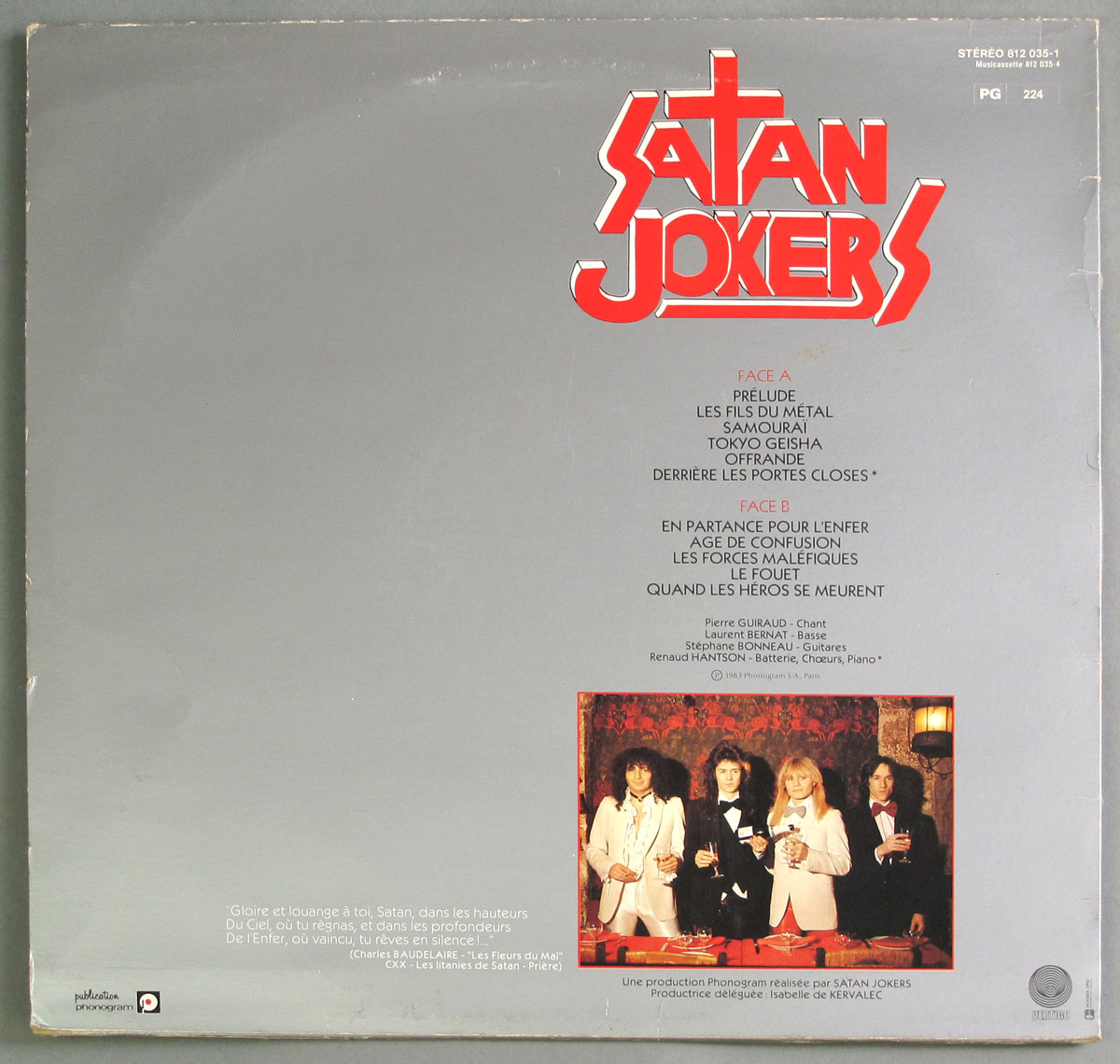
"Les Fils du Metal" is the flag-waver: big, stern, and built to be yelled back at the band. "En Partance Pour l'Enfer" kicks harder and faster, like someone finally stopped pretending they were calm. And "Quand les Heros se Meurent" stretches out into something grander and moodier, letting the band show they can hold tension without flooding the room with noise.
Even when the arrangements get dramatic, the record doesn’t float away. It stays physical. Ça cogne.
Who did what: practical hands on the knobs, not mystery credits
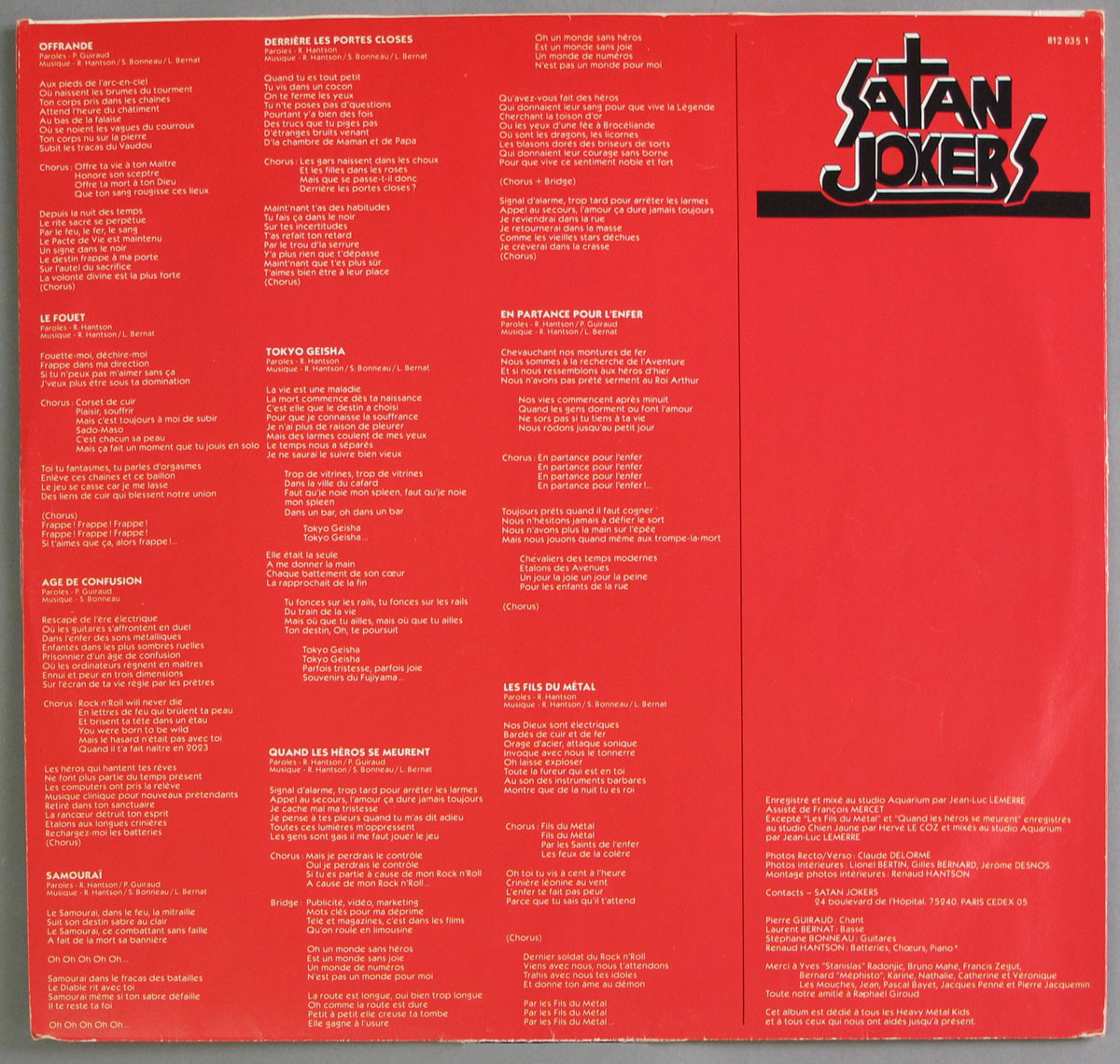
The core lineup is tight and functional: Pierre Guiraud on vocals; Laurent Bernat on bass; Stephane Bonneau on guitars; and Renaud Hantson handling drums while also stepping up vocally. That split-duty energy shows up in the way the songs pivot between drive and drama, like a drummer who thinks in hooks and a singer who understands momentum.
Recording and mixing duties were handled by working engineers rather than some celebrity name, and you can hear that “get it right, keep it moving” discipline. The sound stays punchy and direct: enough space for the riffs to speak, enough grit to keep it from turning pretty.
Formation and lineup: cause-and-effect, not a museum label
The band’s early shape came together fast, and it feels like a group built for impact rather than endless rehearsal-room philosophy. When you’ve got a rhythm section that can push and a front line that can sell a chorus in French without flinching, you don’t waste time. You press record, you swing.
Controversy: the record didn’t need a scandal, it already had a “scary” name
No documented national meltdown here, no official ban story that holds up under daylight. The more common misconception is lazier: people see the name and assume cartoon occult posturing, like the band existed only to upset parents at Sunday lunch.
The reality is more mundane and more interesting: the name’s origin gets explained as a reference to rival biker gangs, which is less “summoning demons” and more “street mythology with a leather jacket.” The shock value was real, sure, but in practice the music is about muscle and mood, not cheap ritual props.
One quiet anchor
I can still picture it: late-night FM, the signal slightly fuzzy, a DJ with a grin in his voice letting "Les Fils du Metal" run a little too loud because, for once, Paris sounded like it had its own heavy anthem. You don’t analyze that moment. You just turn it up and let the neighbors file their complaints.
References
- Metal Archives: "Les fils du metal" (release details, lineup, recording notes)
- Music Waves: Satan Jokers (bio + early lineup + sales note)
- Music Waves: album review (song-by-song texture and pacing)
- Wikipedia (FR): Satan Jokers (formation year, discography, members)
- Contemporary European History (Cambridge): the 23 March 1983 austerity turn context
- Nightfall.fr: interview mentioning the band name’s biker-gang origin
- OpenEdition: historical chapter referencing hard rock/metal in France (period framing)