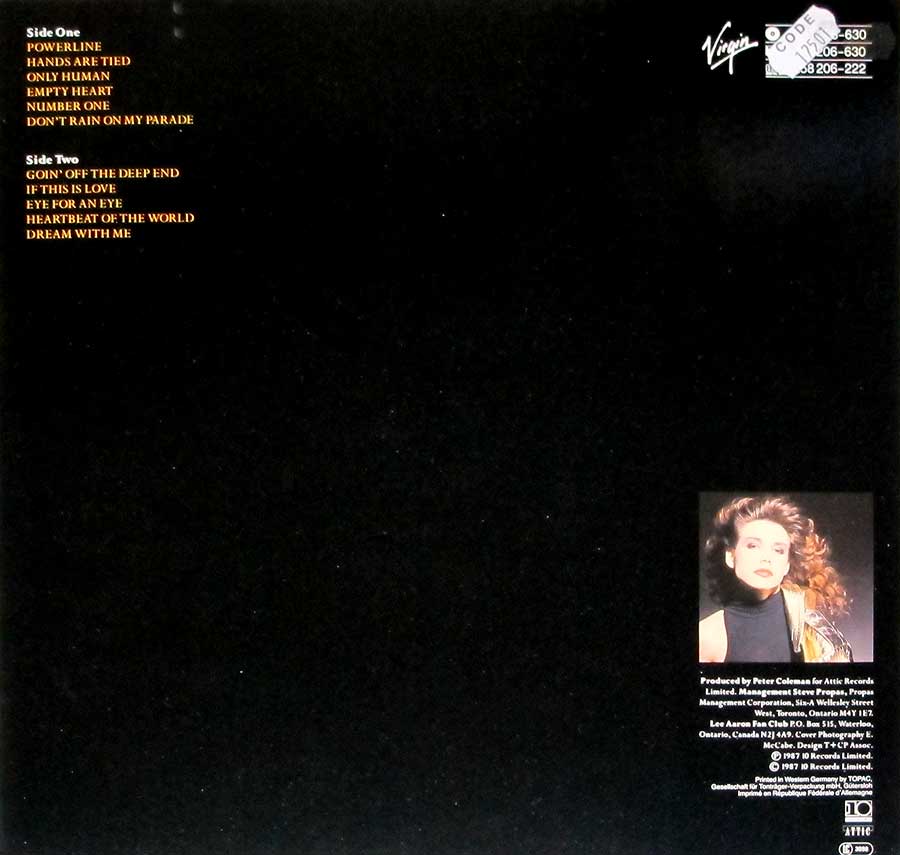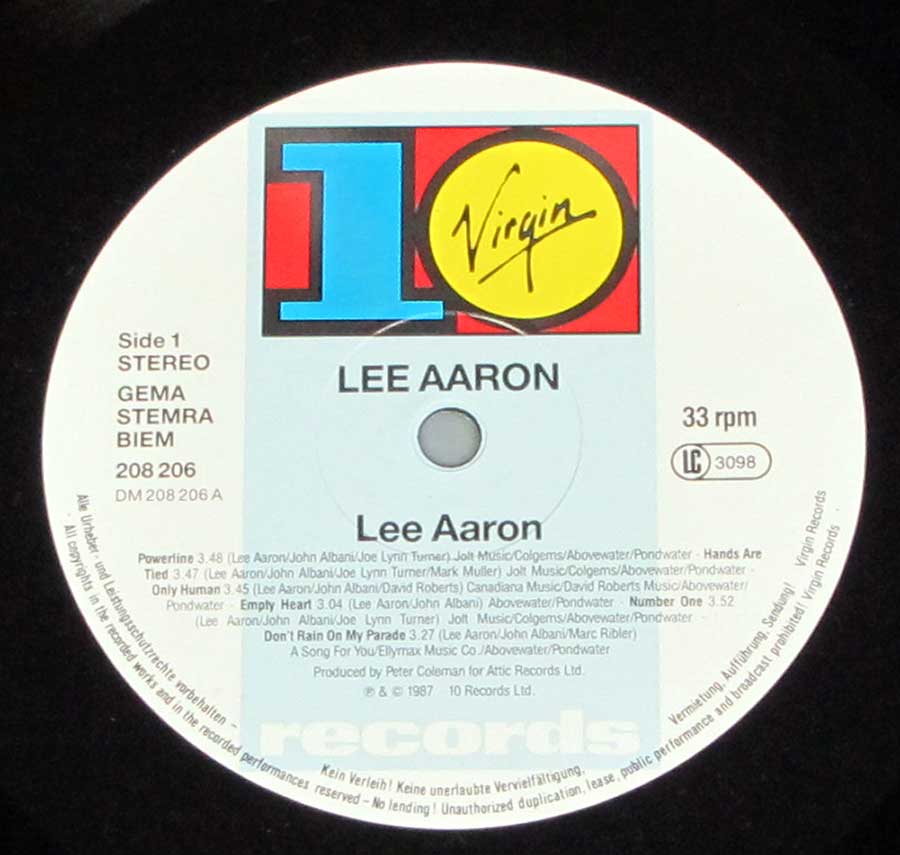
"LEE AARON - SELF-TITLED" (1987) Album Description:
The point of Lee Aaron’s 1987 self-titled album is simple: take the “Metal Queen” volume knob, keep it loud, and aim it straight at a mid-to-late-’80s hard rock audience that wanted hooks as big as the hair. This record sits right on that fault line where heavy metal muscle meets hard rock gloss, and it does it without apologizing for wanting radio-sized choruses.
Where 1987 Put Rock and Metal
1987 was peak “bigger, brighter, faster” in mainstream hard rock: arena-ready riffs, shiny production, and choruses engineered to survive FM compression. In the wider scene, glam metal was selling the fantasy, traditional metal was fighting to stay sharp, and thrash was roaring in the underground like a neighbor you can’t ignore.
In Canada, rock was still threaded through national identity in a very practical way: radio rotation mattered, TV exposure mattered, and scenes in major cities could turn a hard-working act into a known name without asking permission from Los Angeles. The industry push-and-pull was real—be heavy enough to keep credibility, be catchy enough to get played, and somehow do both while everyone pretended that wasn’t the game.
Same-year neighbors in the loud lane
The sonic neighborhood around this album is the late-’80s hard rock/mainstream metal corridor: glossy guitars, stacked vocals, tight drums, and a sense that every song is trying out for the spotlight. Think the era’s big hard rock statements, the glam metal hit-machine approach, and the power-ballad craft that turned lighters into a business model.
- Hard rock with metal bite: big riffs, bigger choruses, and a clean, punchy mix
- Glam metal sheen: melodic lead lines, bright guitars, and vocal hooks that land fast
- Power-ballad discipline: controlled dynamics, emotional lift, and a chorus that “arrives”
What This Album Sounds Like in Real Life
The guitars on Lee Aaron are tight and forward, built for quick impact rather than long-winded solo sermons. The drum feel is firm and clipped, giving the songs a sprinting posture instead of a swaggering stumble.
Keyboards show up like stage lighting: not there to steal the scene, but there to make the scene look expensive. Over it all, Aaron’s voice does the job that separates contenders from headliners—cut through the mix, sell the chorus, and keep attitude intact even when the melody turns sweet.
Three tracks that explain the whole argument
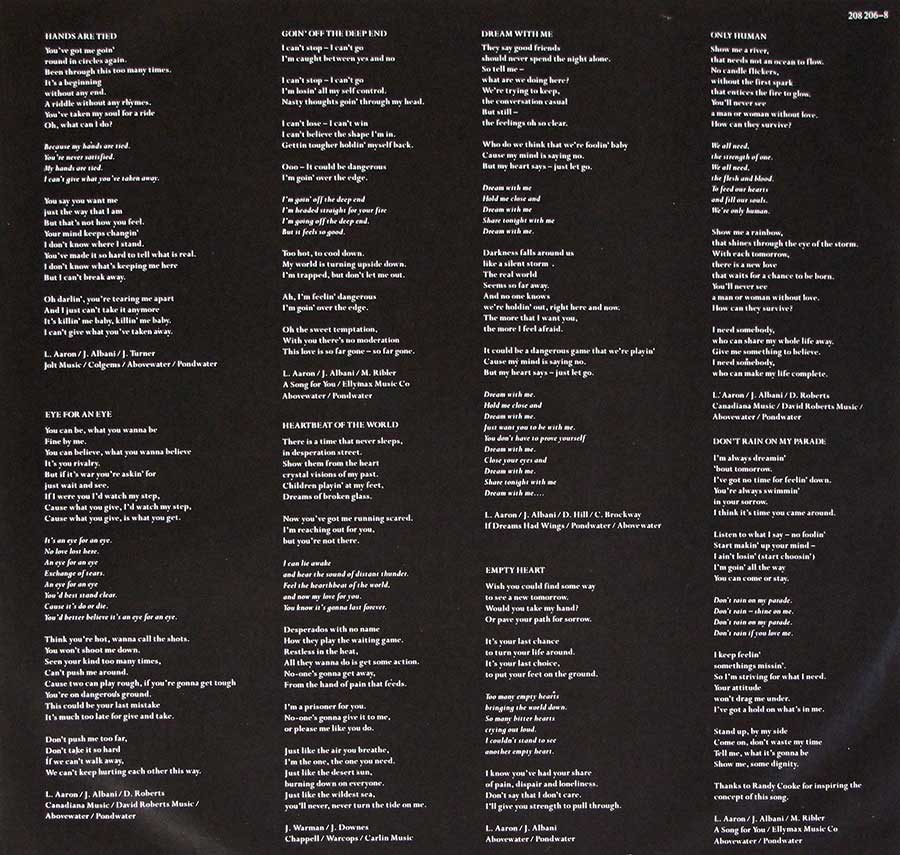
Powerline is the kick-in-the-door opener, all forward motion and a chorus built to travel. Hands are Tied keeps the tempo honest and the edge sharp, the kind of track that turns the band into a single moving object.
Dream with Me is the controlled exhale—still rock, still structured, but with the emotional pacing that late-’80s radio demanded. The trick here is that it doesn’t feel like surrender; it feels like craft.
Musical Exploration: Heavy Metal Meets Hard Rock Logistics
The record’s real exploration isn’t experimental weirdness; it’s the practical art of balancing weight and accessibility. Riffs are chunky enough to keep the metal DNA visible, but the arrangements are streamlined so the songs move with pop efficiency.
Choruses are written like destinations, not accidents—every verse is a runway, every pre-chorus is the engine spool, and then the hook lands. That’s not selling out; that’s understanding the decade you’re standing in.
Key People in the Room
Producer Peter Coleman is central to what you hear: the sound is polished without turning sterile, and the performances are framed to emphasize impact. This is producer logic—make every element legible, make the chorus impossible to miss, and keep the low-end from turning into soup.
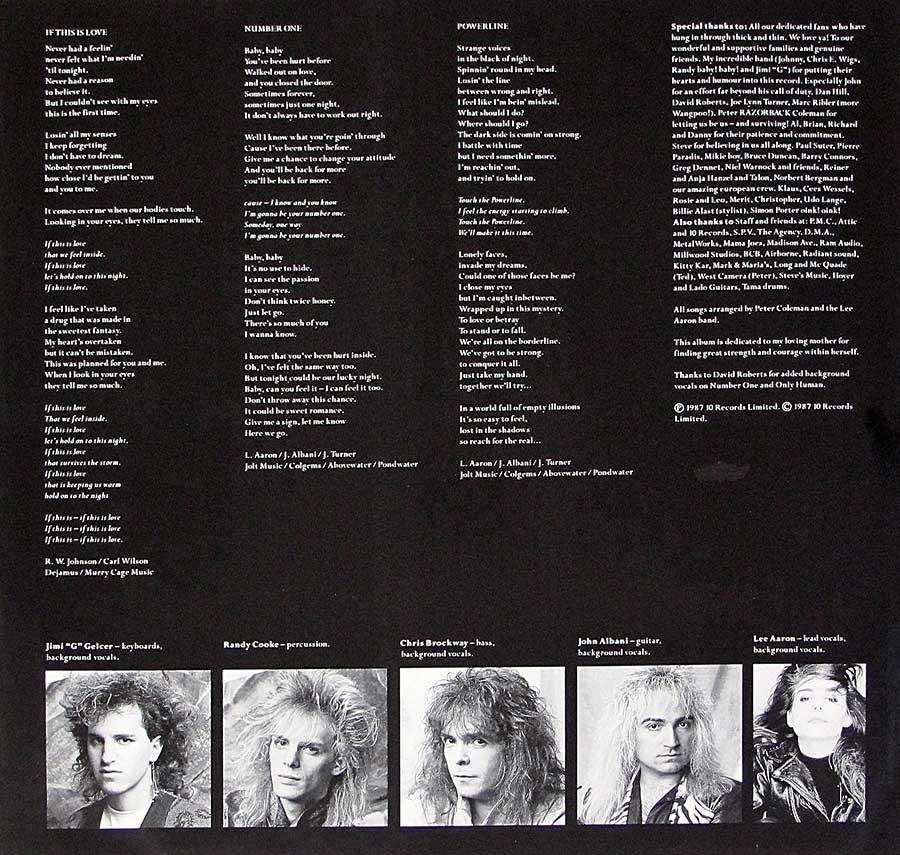
Personnel (as heard on this album)
- Lee Aaron – Lead vocals
- John Albani – Guitar
- Chris Brockway – Bass
- Randy Cooke – Percussion
- Jimi "G" Geleer – Keyboards
Band History: How She Got Here
Lee Aaron didn’t just appear in 1987 wearing confidence like armor; the groundwork was laid across earlier releases and constant road-level refinement. By the time this self-titled record arrived, the direction was clear: keep the metal pedigree, sharpen the writing, and let the songs do more of the talking than the mythology.
The album also reflects a lineup moment—players who could deliver tight, professional hard rock while still carrying the heavier edge that had defined her earlier reputation. In other words: less chaos, more control, and no loss of attitude.
A quick timeline of the vibe shift (not the museum version)
- Early momentum: heavy-leaning rock with a strong vocal identity and a hungry band feel
- Mid-decade sharpening: songs get tighter, hooks get louder, production gets more assertive
- 1987 consolidation: the “metal meets mainstream” balance becomes the entire point
Controversies: What This Album Actually Stirred Up
The controversy around releases like this in 1987 rarely needed a courtroom; it lived in gatekeeping and branding. A woman fronting heavy music still triggered lazy industry questions—marketable novelty or legitimate rock force—while the record itself calmly answered with performance and songwriting.
Another friction point came from inside the rock audience: the eternal argument about polish. The same fans who demanded professionalism would sometimes flinch when the production arrived clean and the choruses arrived big, as if clarity was a moral failure instead of an artistic choice.
In 1987, “too heavy” got you ignored and “too catchy” got you doubted. This album threads that needle like it’s been doing it all week.
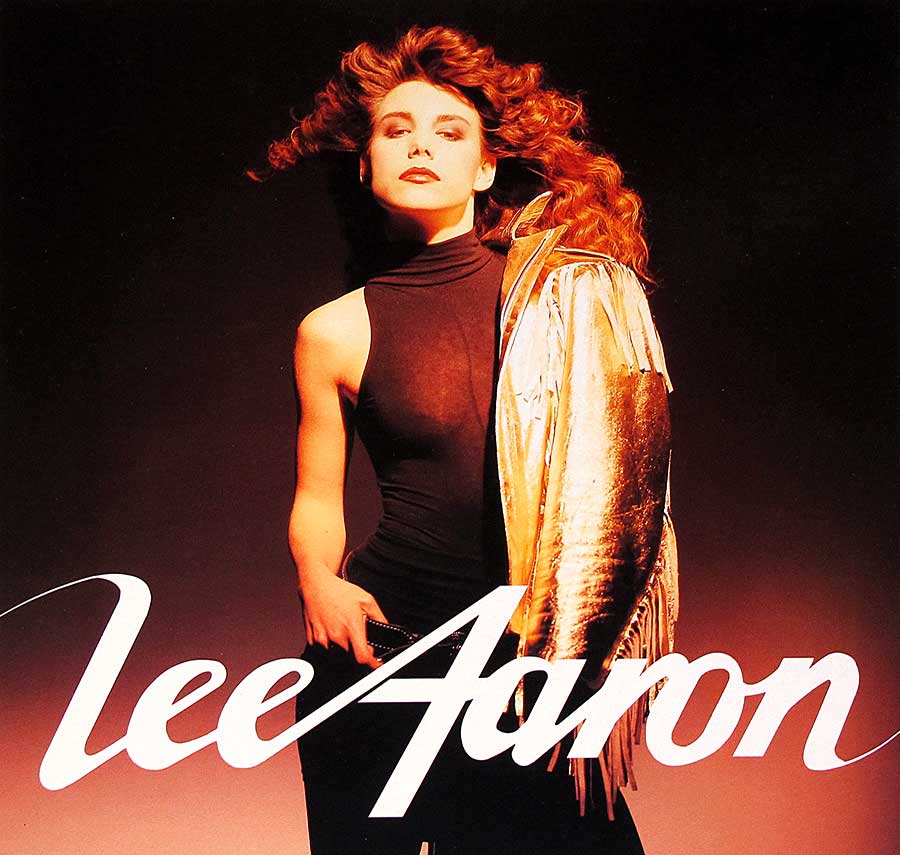
Cover and Presentation: The Era in One Look
The album’s presentation matches the music’s mission: confident, direct, built for the rack and the stage. It’s not trying to be mysterious; it’s trying to be unmistakable—an approach that made perfect sense in a decade where attention was the currency.
How the Record Holds Together
What makes Lee Aaron work is sequencing and discipline: the upbeat material doesn’t sprawl, and the slower moments don’t drag the album into syrup. It’s paced like a setlist from a band that understands crowd energy, not like a random stack of songs.
The lyrical themes stick to the late-’80s hard rock toolkit—pressure, desire, stubbornness, pride—without turning into parody. That’s the difference between an era record and a costume record: you can hear the time period, but you don’t smell the mothballs.
If you want the quick takeaway
- Genre: heavy metal / hard rock with late-’80s mainstream songwriting instincts
- Core sound: bright guitars, tight rhythm section, keyboard accents, vocal authority
- Best entry points: Powerline, Hands are Tied, Dream with Me
Why This Album Matters in Its Moment
In the context of 1987, this record is a practical statement: a heavy-leaning artist steering into the era’s professional, hook-driven hard rock sound without losing the edge that got her attention in the first place. It’s not trying to rewrite the rules; it’s trying to win under the rules that actually existed.
That’s the real story here—an album that understands its market, its scene, and its sound, then executes with precision. No myths required, just songs that show up, hit hard, and leave before they over-explain themselves.