"It's Nigh' Time" (1988) Album Description:
Dark Lord’s "It's Nigh' Time" lands like a streetlamp buzz at 2 a.m.: hard edges, a cold sheen, and zero patience for subtlety. The riffs are cut bright and clean, the rhythm section keeps it marching, and the choruses flash just long enough to stick before the next shove arrives. "Welcome to the Nightmare" opens with the kind of blunt confidence that doesn’t ask permission, the title track snaps into a hook fast, and "Love Hurts" slows the pulse without turning polite.
Italy, 1988: loud country, small rooms
Italy in the late ’80s wasn’t waiting around for anyone’s approval, and the metal underground behaved like it knew the mainstream wasn’t coming to pick it up. Bands traded tapes, played cramped stages, and aimed for that European “tight but hungry” sound because it travelled better than raw chaos. The result is a record that feels engineered to survive duplication, bad P.A. systems, and impatient listeners—meaning it gets to the point quickly and stays there.
Where this sits in the metal argument
Call it Italo heavy metal if you need a label, but it’s really a negotiation between classic metal backbone and late-’80s sharpness. Compared with Italian peers like Death SS, Bulldozer, Strana Officina, Vanadium, Skanners, and Sabotage, Dark Lord sound less obsessed with image and more interested in making the songs hit on the first pass. No choir loft drama, no endless detours—just riffs, turns, and choruses that show up on time.
- More steel than smoke: the guitars stay bright and readable.
- More street than stadium: punchy pacing, minimal ornament.
- More hook than haze: choruses don’t hide behind “atmosphere.”
Sound and sweat: how it actually moves
The attack is immediate—tight rhythm guitar, drums that land clean, bass holding the middle like it’s annoyed at everyone else’s enthusiasm. Space is used like a weapon: short gaps, quick stops, then the band slams back in before you get comfortable. The tempos don’t sprint; they push, steady and insistent, the way late-’80s metal often did when it wanted to sound big without sounding bloated.
"Bring It Out at Night" has that forward-leaning drive where the band sounds like it’s pulling the song toward the chorus by force. "Fallin’ Off" plays with tension and release in a way that feels practical, not academic. Then "Love Hurts" stretches out and lets the mood thicken—still heavy, still controlled, just darker around the edges.
The people steering the record
Emanuell Jandee’s vocals keep the whole thing human—clear enough to carry melody, sharp enough to bite when the riffs get busy. Alex De Rosso’s guitar work does the heavy lifting: riffs that stay legible at volume, leads that colour the song instead of hijacking it. Paolo Muffato’s bass is the glue, and Sandro Bertoldini’s drumming gives the record its “we’re moving whether you like it or not” posture.
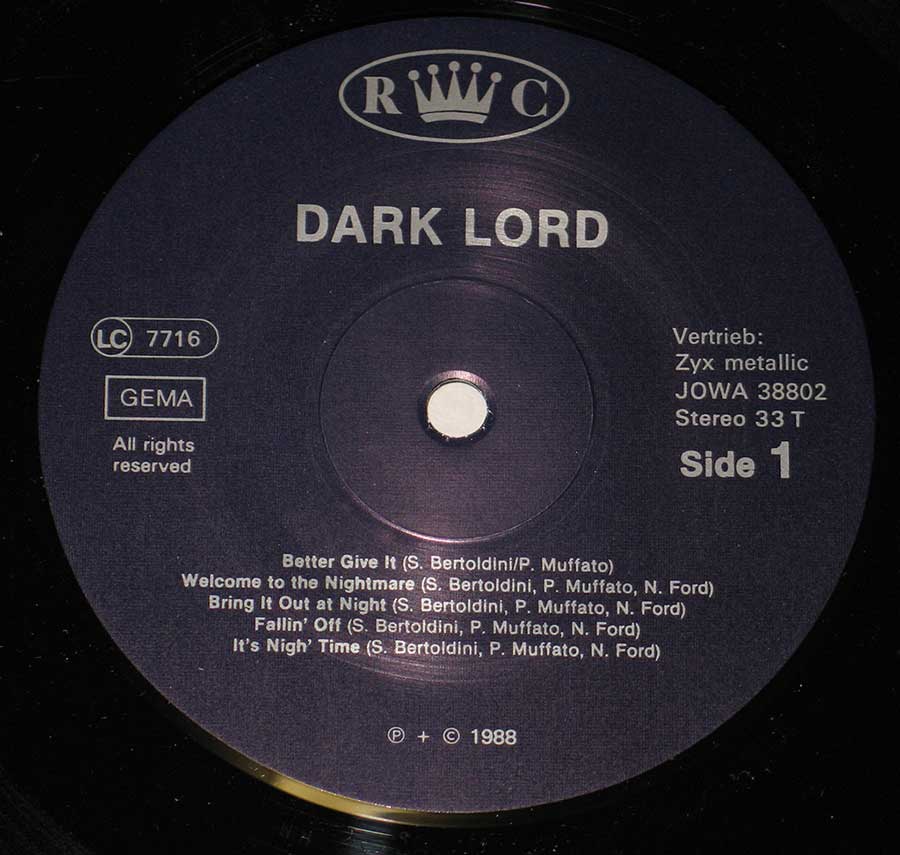
A useful little reality-check sits right on the label: most of Side 1’s writing credits lean on Bertoldini and Muffato, with “N. Ford” appearing across multiple tracks, while "Better Give It" is credited without that extra name. It reads like a working band with a practical songwriting core—less mystique, more “finish the song, then play it like you mean it.”
Two videos, one mood
The page puts a spotlight on two cuts for a reason: "Welcome To The Nightmare" and "Love Hurts" both got video treatment, and that pairing tells you what the band thought the record was selling. One track kicks the door in, the other lingers with a slow-burn menace, and together they sketch the album’s range without pretending it’s anything other than late-’80s metal built for impact.
No scandal, just the usual misreadings
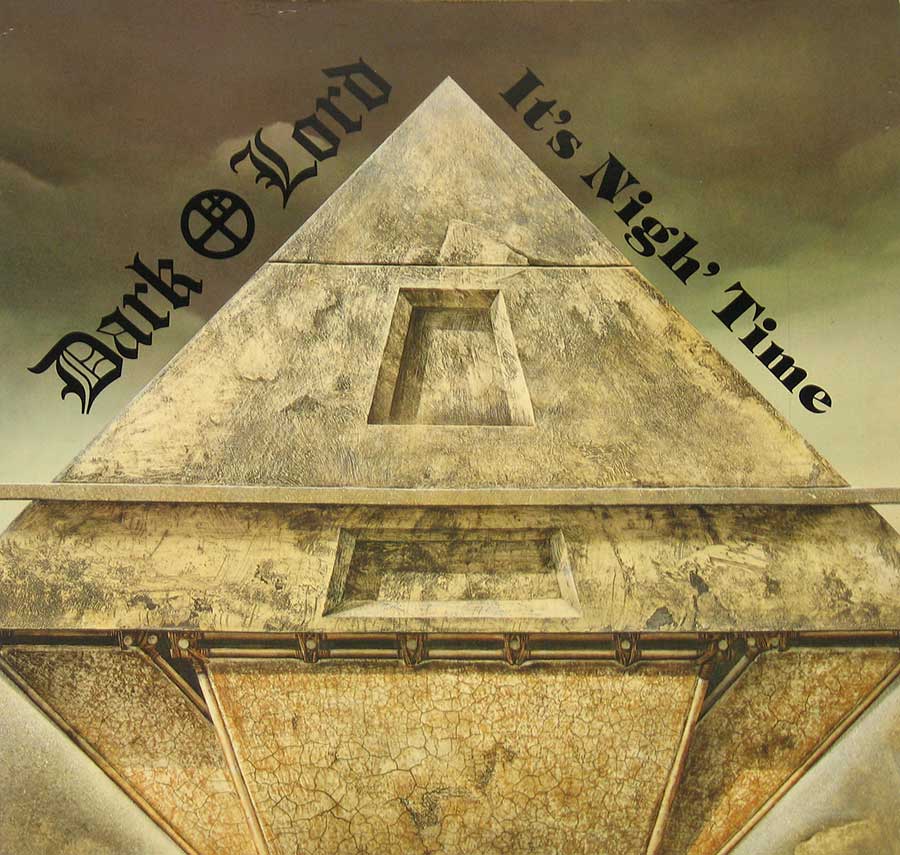
Real controversy doesn’t cling to this release—no court cases, no bans, no heroic myths, sorry. The more common mistake is assuming the ominous name and stone-heavy sleeve promise doom or theatrical excess; the music is tighter, cleaner, and more song-first than that. Another predictable confusion: “Dark Lord” is the kind of band name the world refuses to leave unused, so context matters unless you enjoy chasing the wrong rabbit down the wrong hole.
Late-night radio memory: this is the sort of record that would sound strangely crisp through static, right when the DJ stops talking like a friendly uncle and starts sounding like someone with a deadline.
References
- Metal Archives: Dark Lord band profile
- ZYX Music: company information
- YouTube: Dark Lord - Welcome To The Nightmare (1988)
- YouTube: Dark Lord - Love Hurts
- Wikipedia: Joachim Luetke
- Discogs: "It's Nigh' Time" release page
This album doesn’t beg for attention; it just keeps playing like it expects you to keep up.