In the heart of the heavy metal explosion of the 1980s, amidst the neon lights and teased hair, a transatlantic collaboration brought forth an album that would become a cult classic for fans of the genre: Chastain's "Mystery of Illusion."
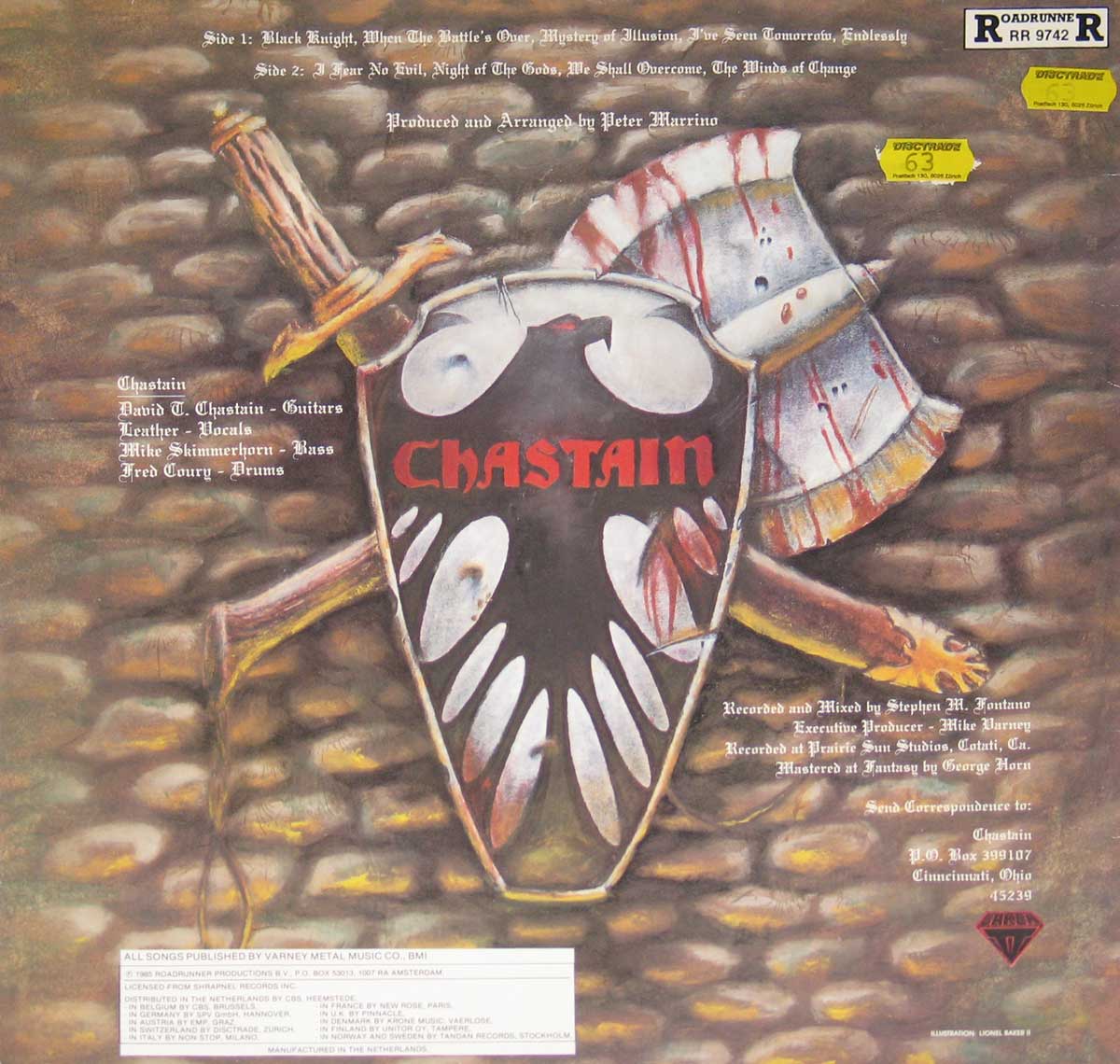
Released in 1985 on Roadrunner Records for the European market and Shrapnel Records for the US, the album emerged as a fascinating example of international collaboration. While the brainchild of American guitarist David T. Chastain, the album was recorded at Prairie Sun Studios in Cotati, California, and then mastered across the Atlantic at Fantasy Studios by the renowned George Horn. Interestingly, the vinyl pressing was handled in the Netherlands, further solidifying the album's international roots.
At the helm of production was Peter Marrino, who brought a distinct sound and vision to the project. His guidance, combined with the executive production of Mike Varney, known for his work with Shrapnel Records and his support of shred guitar virtuosity, helped shape the album's raw energy and technical prowess. Behind the mixing board, engineer Stephen Fontano ensured a polished final product that captured the intensity of the band's performance.
Musically, "Mystery of Illusion" stands as a testament to the era's love for guitar-driven, high-energy heavy metal. David T. Chastain's fiery guitar work takes center stage, showcasing his impressive technical skill and his ability to craft memorable riffs and solos. The album features a potent rhythm section with drummer Fred Coury and bassist Mike Skimmerhorn, who provide a solid foundation for the soaring vocals of Leather Leone. Leone's powerful voice, coupled with the band's instrumental virtuosity, creates a dynamic and engaging listening experience.
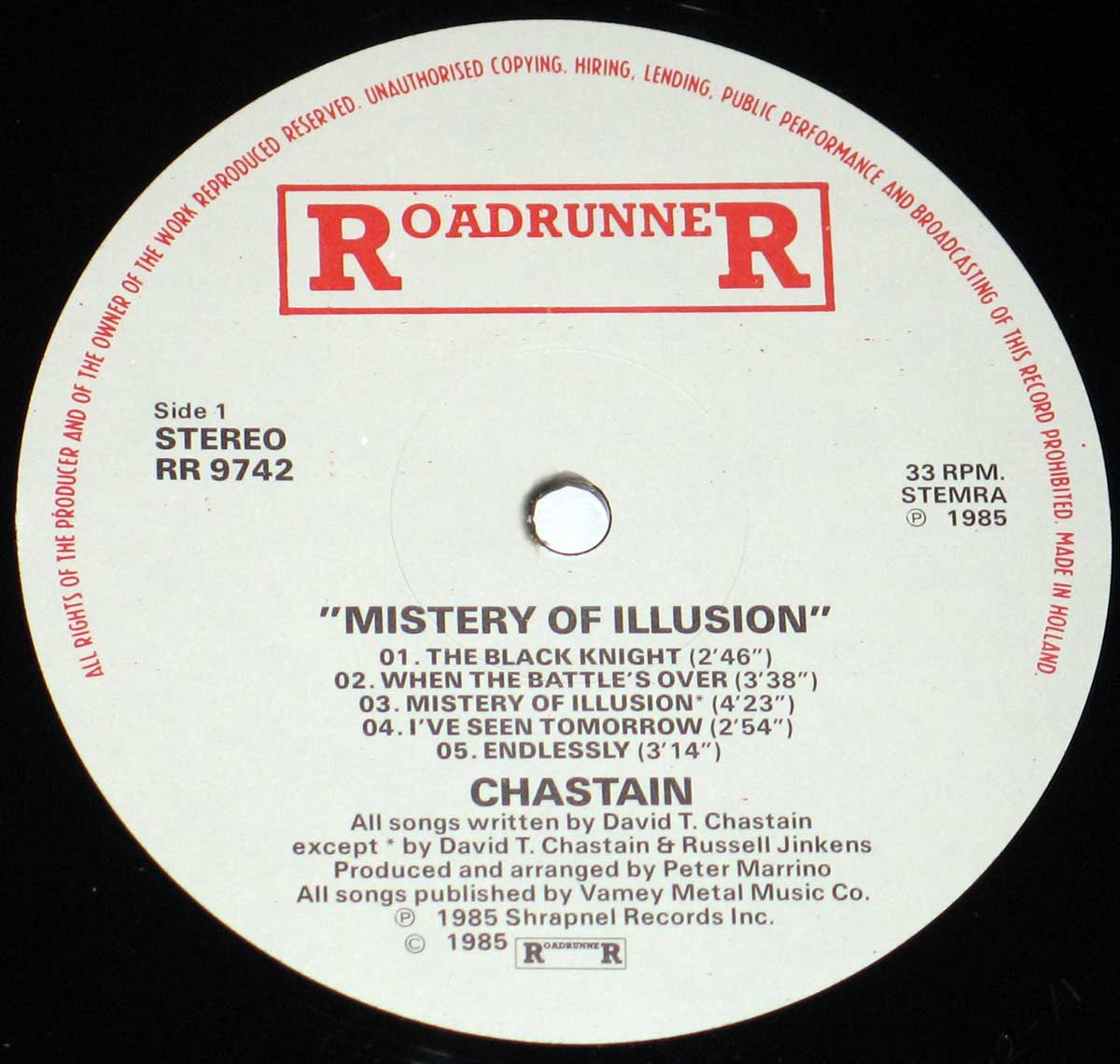
Thematically, the album explores dark and fantastical imagery, with song titles like "Black Knight," "When the Battle's Over," and "I Fear No Evil." The lyrics often delve into themes of power, conflict, and the supernatural, resonating with the heavy metal audience's fascination with these subjects.
While the album didn't achieve mainstream success, it garnered a dedicated following among heavy metal fans, particularly those drawn to the neoclassical and power metal subgenres. It remains a sought-after item for collectors and continues to be celebrated for its distinctive sound and its place in the history of 1980s heavy metal.
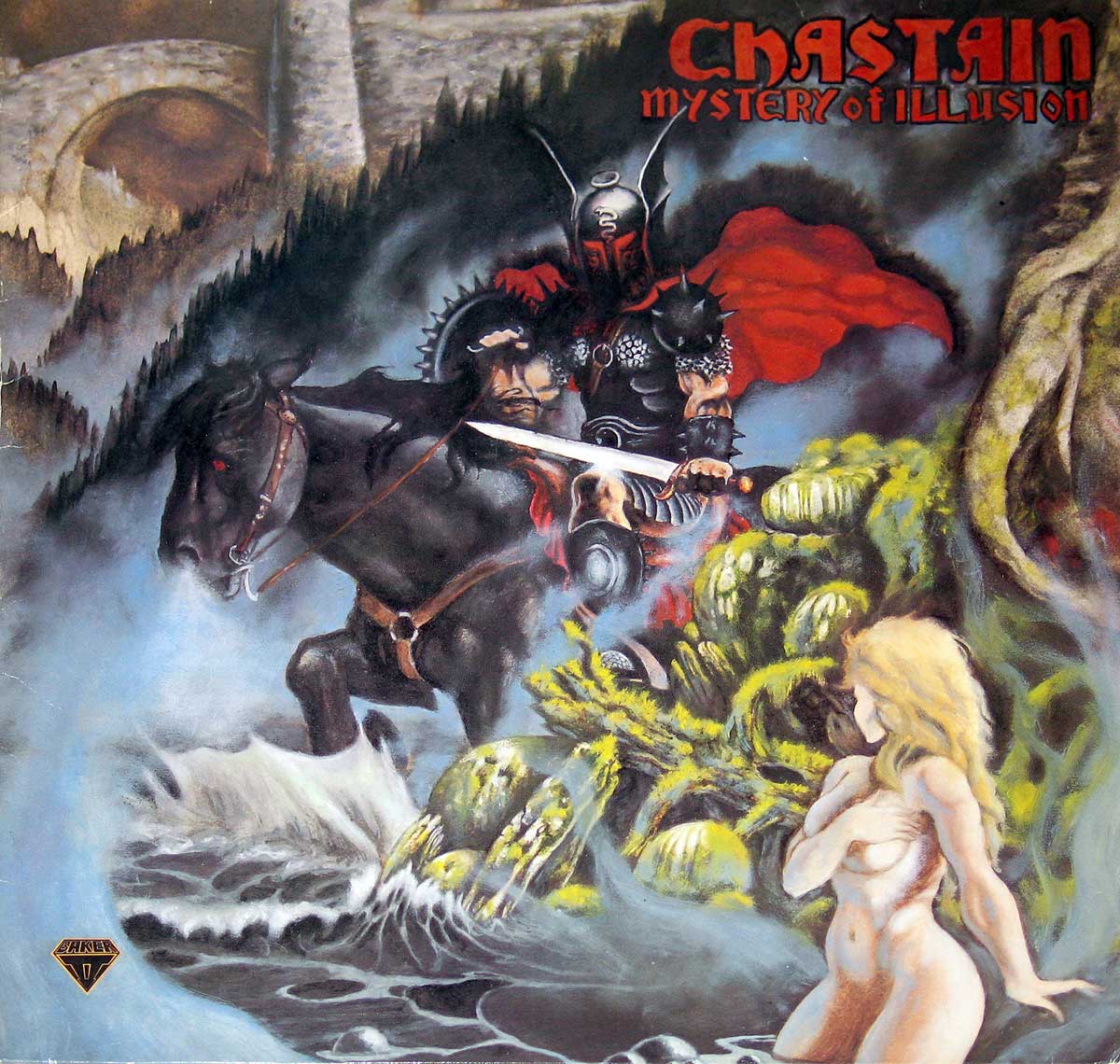
The cover art, created by Lionel Baker II, further enhances the album's mystique. With its enigmatic imagery and dark color palette, the artwork reflects the music's powerful energy and lyrical themes, making it a visually striking addition to the album's overall aesthetic.
Despite its enduring appeal, the album did not spark any significant controversies. It remains a testament to a time when heavy metal was a driving force in music and a testament to the power of international collaboration in creating impactful art.