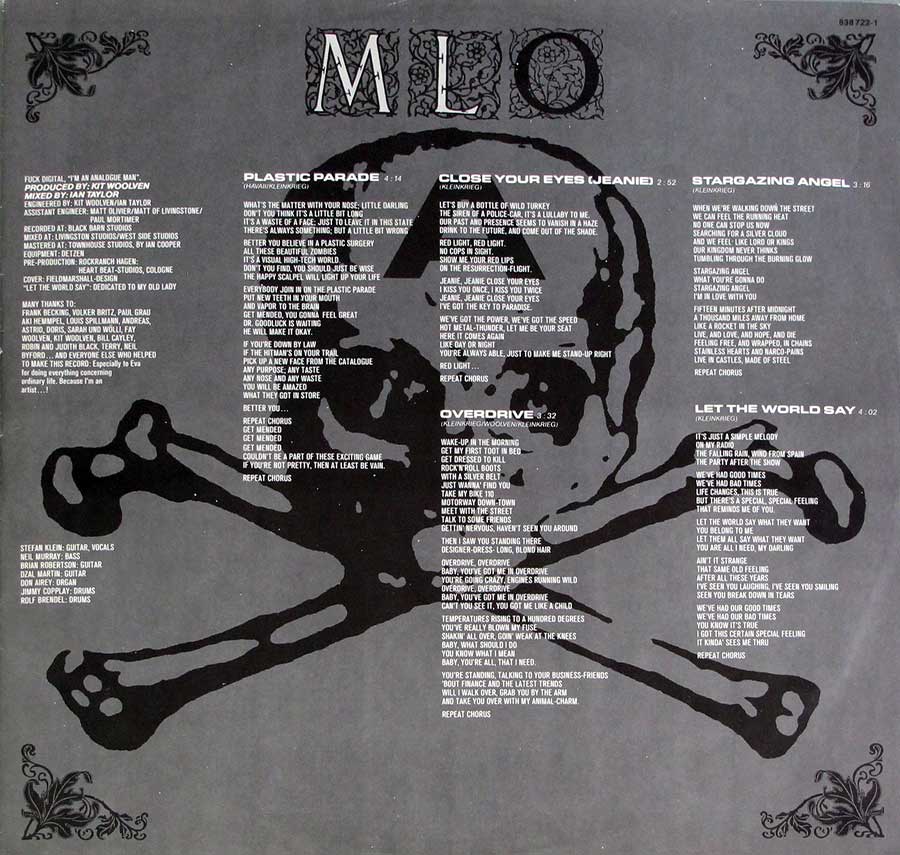
Neil Murray, bass guitar player and best known for holding down the low end in the British hard rock machine called "Whitesnake" (1978–1986), is the sort of musician collectors like me quietly obsess over because the evidence is on the record: tight, musical, never flashy for the sake of it, and always moving the song forward. Before that Whitesnake era properly caught fire, the man earned his stripes in the mid-70s heavy-progressive circuit with the Ian Gillan Band (1975–1978) and Colosseum II (1975–1977), where the playing demanded brains, stamina, and a strong back. Post-Whitesnake, the resume keeps getting weirder in the best way—stints with "Black Sabbath" around 1989–1991, then later the Brian May Band (1998), and other hard-rock projects that prove one thing: when you need a bassist who can make big guitars feel even bigger, Murray tends to be the name that shows up on the call sheet.
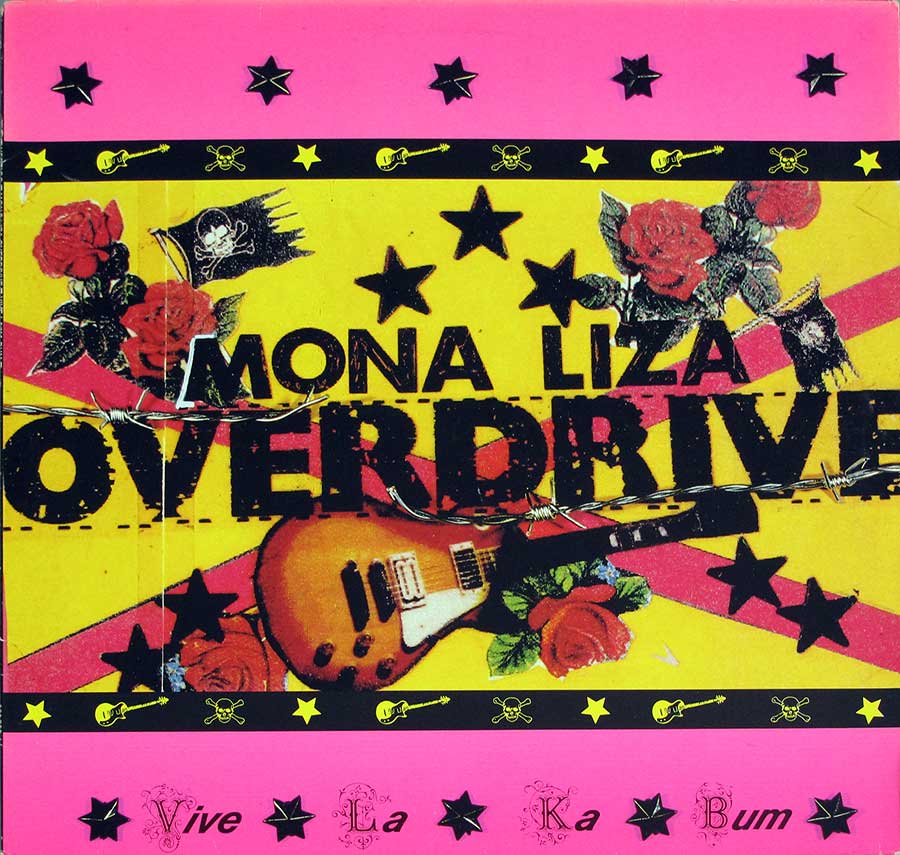
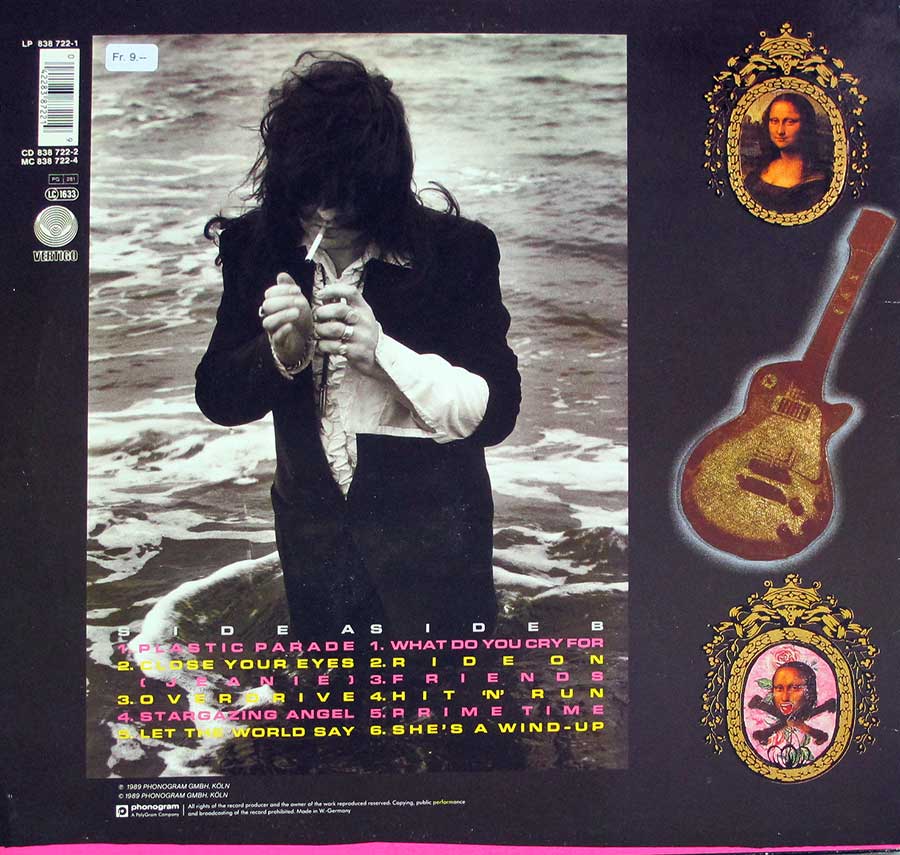
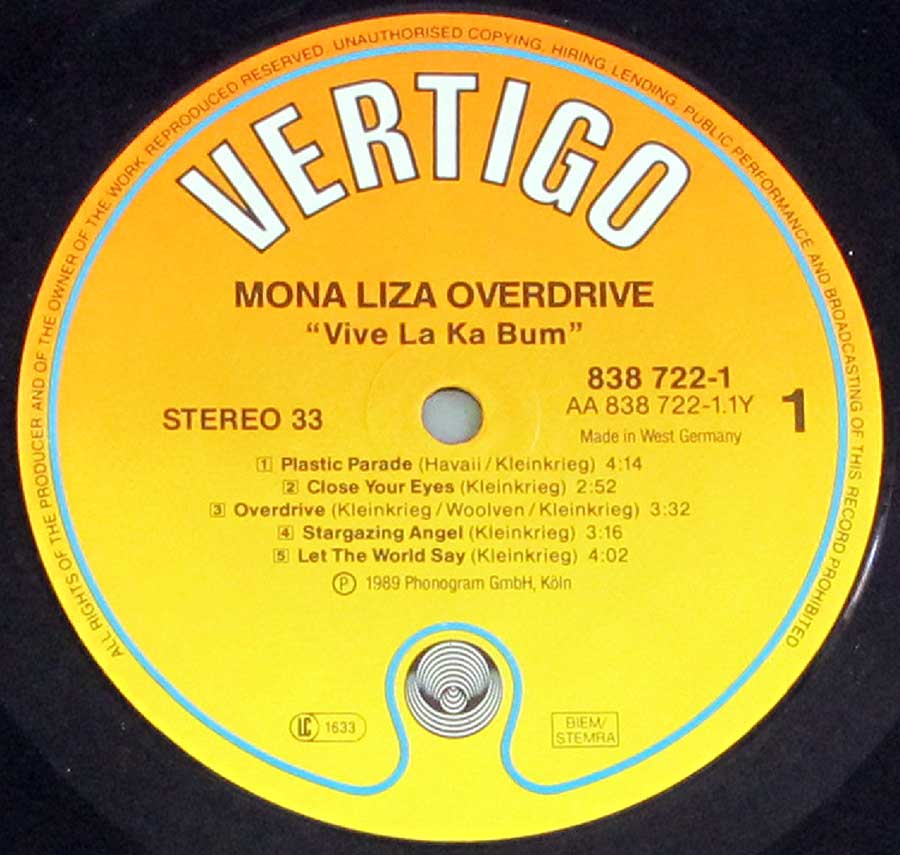
MONA LIZA OVERDRIVE - VIVE LA KA BUM - 12" Vinyl LP Album
The 12" LP Vinyl Album "Vive La Ka Bum" by Mona Liza Overdrive encapsulates a sonic journey that transcends conventional boundaries. The band, known for their eclectic style, delivers a musical experience that is both dynamic and unconventional. Released as a testament to their artistic prowess, "Vive La Ka Bum" is a fusion of genres, reflecting Mona Liza Overdrive's commitment to pushing the boundaries of musical expression. With each track, the album weaves a tapestry of sound, inviting listeners into a world where innovation and creativity reign supreme.
Fuck Digital, I'm an Analogue Man