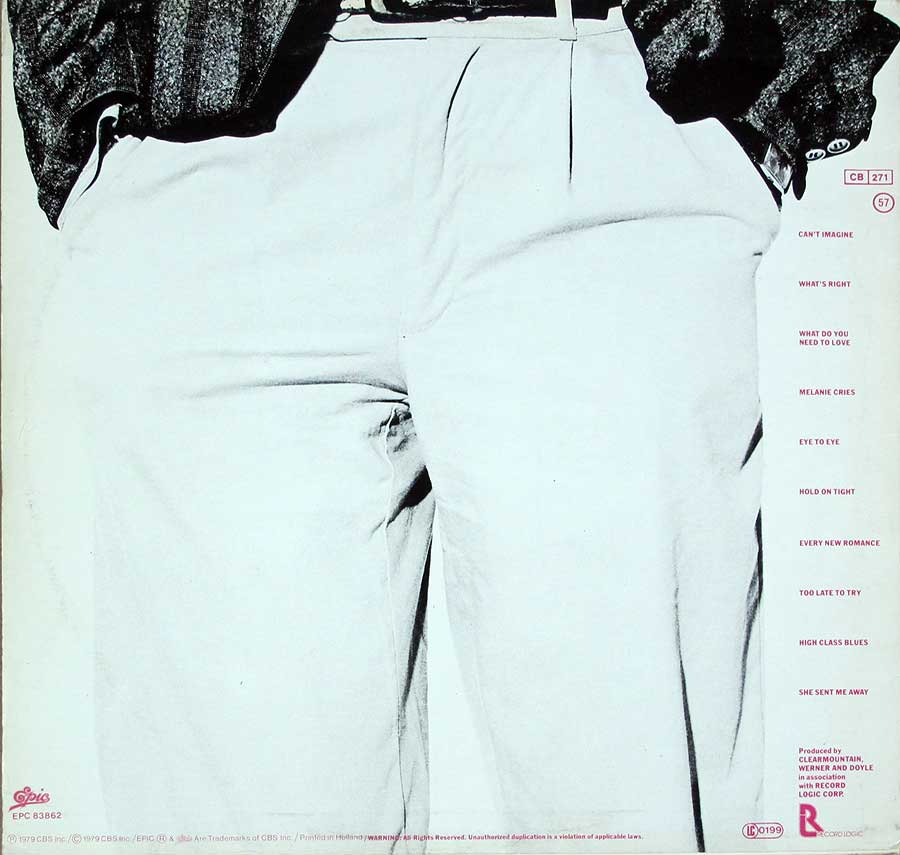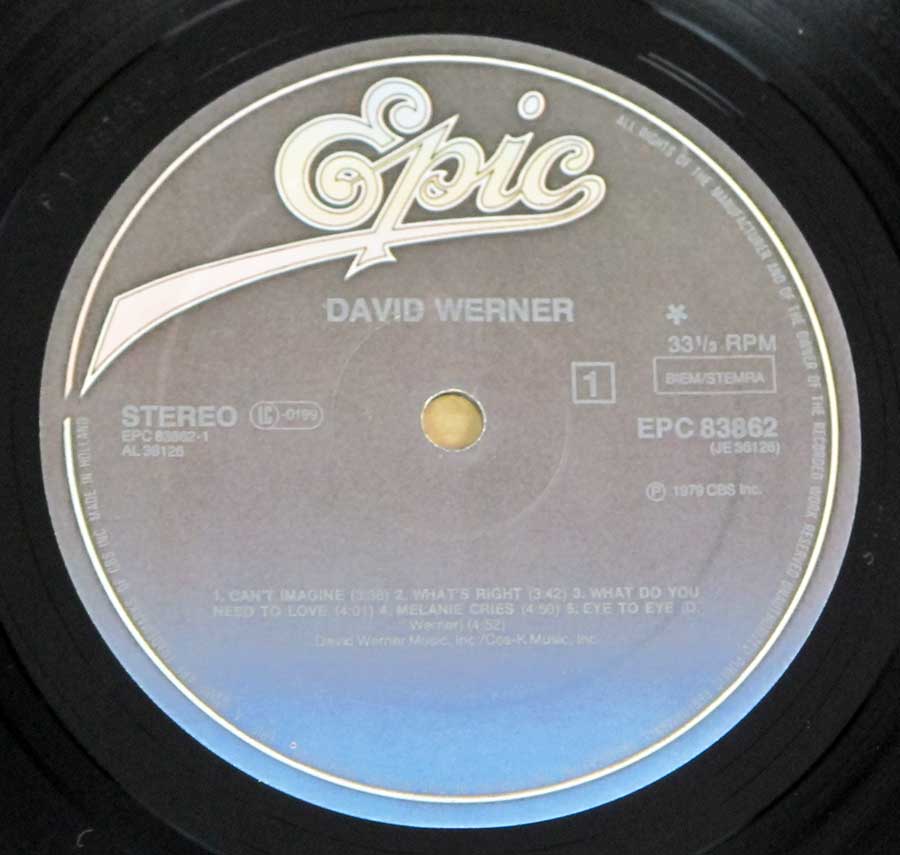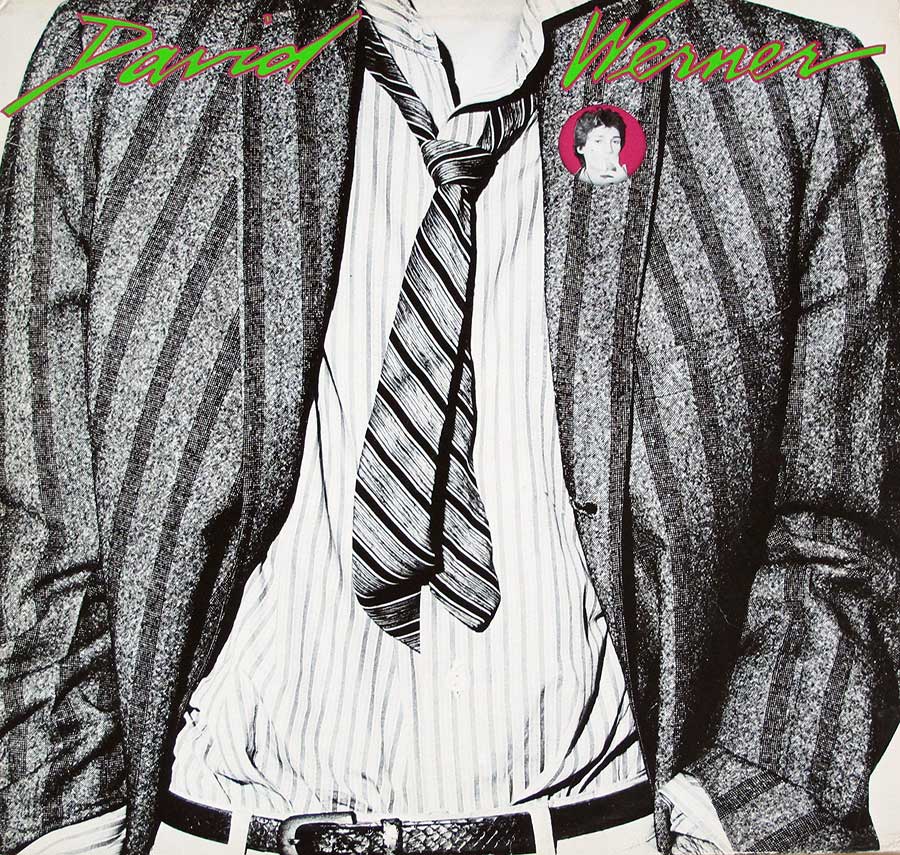
"David Werner" (1979) Album Description:
Released in 1979 on Epic, David Werner is a sharp, radio-built slice of American power pop that landed right when rock was trying to get catchy again without going full disco glitter or punk scorched-earth. It didn't rewrite the rules, but it did play them with confidence: tight hooks, clean punch, and a singer who sounds like he's fighting for every chorus. The set swings between eager lift-off and bruised reflection, with Can't Imagine, What's Right, and Melanie Cries showing how Werner could push melody hard without sanding off the bite.
Where America Was in 1979
The U.S. in 1979 was running hot and weird: post-Vietnam fatigue, inflation anxiety, and a pop culture that couldn't decide whether to dance, revolt, or just turn the guitar amps back on. Rock radio was tightening formats while new wave and punk kept poking holes in the old stadium-rock balloon. The public backlash against disco wasn't just a music spat; it was a cultural mood swing, and guitar bands felt the opening.
1979 Cross-Currents (the quick mental map)
- Disco peaks, then gets loudly rejected in parts of mainstream rock culture.
- Punk/new wave reshapes attitude, pacing, and songwriting economy.
- Power pop sells a middle path: big melodies, hard edges, short attention spans.
Power Pop in Plain English
Power pop is basically pop songwriting that refuses to apologize for loud guitars. It keeps the punchy backbeat and bright choruses, but it values tight structure over jam-room sprawl. In 1979, that meant songs built for the commute: quick ignition, chorus payoff, and just enough grit to keep it from sounding like toothpaste commercials.
Werner's timing mattered because the lane was crowded with bands aiming at the same bullseye. The Knack had a blockbuster moment, Cheap Trick were turning big riffs into compact pop shapes, and groups like The Cars were making sleek, modern rock feel inevitable. Against that backdrop, Werner's record reads like a smart, hungry bid to sit at the same table.
How the Record Moves
The album lives on forward motion: driving guitars, choruses that snap into place, and vocal phrasing that leans into urgency rather than swagger. Even when the tempo eases, it keeps a tight grip on melody, making the softer tracks feel like late-night confessionals instead of slow-song filler. The mood swings are the point: the set can flirt with heartbreak without losing momentum.
Listen to how the record balances bite and polish. The guitars stay present and insistent, but the mix is built for clarity, so the hooks don't get buried under fuzz or ego. It's the sound of late-'70s rock learning how to be efficient again.
The People Who Put It Together
Werner is the core engine here, but the record is also a collaboration shaped by experience and a very specific studio moment. Mark Doyle functioned as a close musical partner during this era, helping Werner sharpen material that had been developing through demo work and pre-production. The production and mixing involvement of Bob Clearmountain adds that controlled, radio-forward punch that became a calling card for the period.
The Power Station in New York City mattered, too, because it was a place built for big, clean impact. The rooms were designed to capture drums and guitars with size and definition, and that's exactly the kind of sound power pop needed when it wanted to compete on FM. In other words: the studio wasn't just a location; it was part of the instrument.
Backing Musicians and Texture
The performances lean on a tight rhythm feel, with drums that stay crisp under the choruses and never smear the groove. Color comes from extra touches that show up like punctuation marks rather than distractions: sax, harmonica, and synth textures that widen the frame without changing the genre. It's arrangement discipline, not maximalism.
What you can actually hear, instrument-wise
- Guitars built for propulsion, not solo gymnastics.
- Drums recorded for snap and definition.
- Selective color: sax/harmonica/synth used as accents.
Career and Line-Up Reality Check
This isn't a band debut story so much as a re-entry: Werner had already put out records earlier in the decade, then recalibrated and came back into a changed market. The most meaningful shift around this album is the creative partnership and the production environment, not some soap-opera lineup turnover. The "line-up" here is the studio team and the hired hands who help deliver a focused, punchy statement.
Controversies (or the Lack of Fireworks)
The album didn't trigger a headline scandal, censorship fight, or political blowback. The friction was quieter and more typical: some critics tagged it as too close to other power pop success stories, which is the genre's eternal curse when it shares DNA with half the radio dial. The other pressure point was commercial and structural, because labels in 1979 were juggling a flood of releases and increasingly rigid expectations about instant results.

In 1979, power pop was the art of making a three-minute song feel like a full argument: melody as the hook, guitars as the evidence, and the chorus as the verdict.
References
- AllMusic: David Werner (album page)
- Wikipedia: David Werner (musician)
- ClassicBands.com: Gary James interview with David Werner
- Wikipedia: Power Station (recording studio)
- Tape Op: Tony Bongiovi interview (Power Station history)
- Wikipedia: Disco Demolition Night (1979 context)
- MusicStack listing (credits/personnel snapshot)
- This page (Vinyl-Records.nl source HTML)