Spellbound: The Roaring Pulse of NWOBHM
Unleashed in the Heart of the British Metal Surge
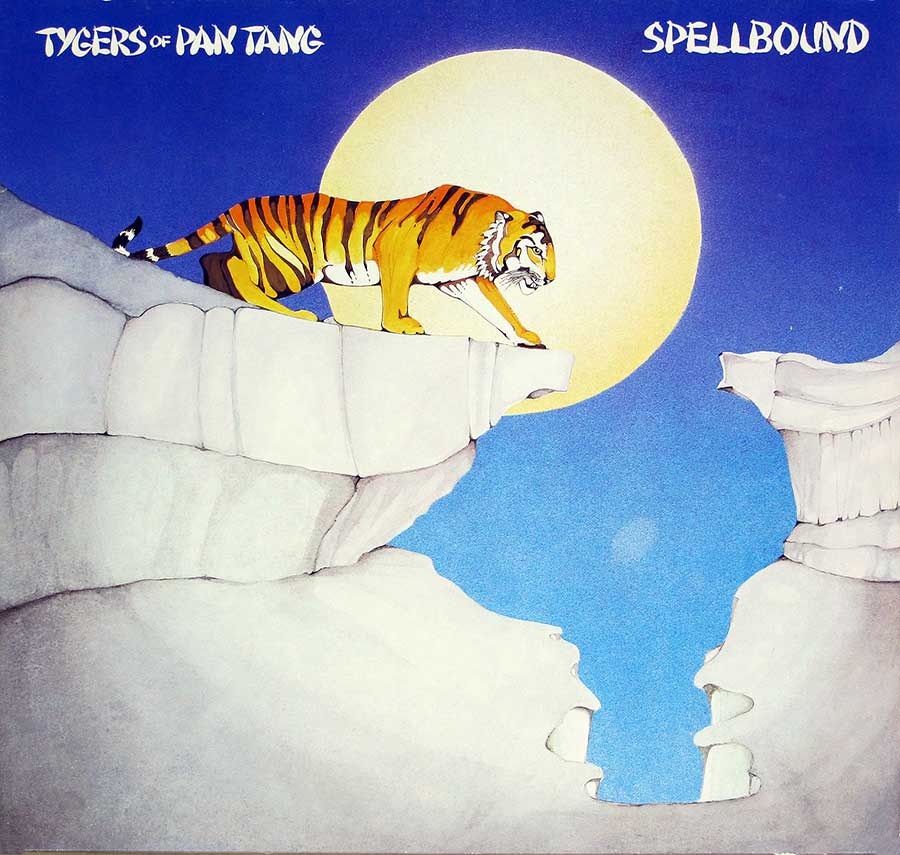
In 1981, Spellbound emerged as a defining chapter in the saga of the New Wave of British Heavy Metal (NWOBHM), a movement that revitalized heavy music with a fierce, working-class spirit and streetwise resolve. Tygers of Pan Tang, hailing from Whitley Bay, rode this wave with teeth bared and claws out. Their sophomore release, Spellbound, wasn’t just a second act—it was a mission statement: harder, tighter, and charged with raw ambition.
Musical Exploration: Ferocity Meets Precision
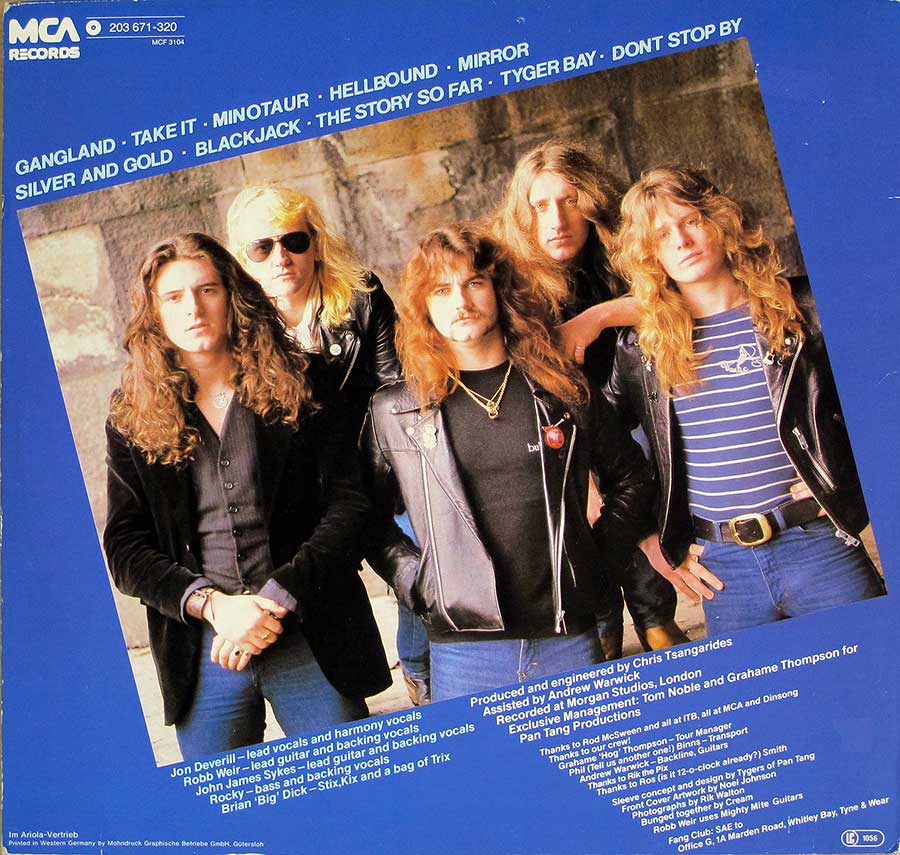
The album is a sharp-edged cocktail of galloping rhythms, dual-lead guitar heroics, and melodic vocal power. Jon Deverill, newly recruited on vocals, brought a dramatic, almost theatrical presence, contrasting the rougher approach of their debut Wild Cat. But the album’s sonic transformation owes much to guitarist John Sykes, who debuted here with fretwork so fiery it later carried him into the ranks of Thin Lizzy and Whitesnake.
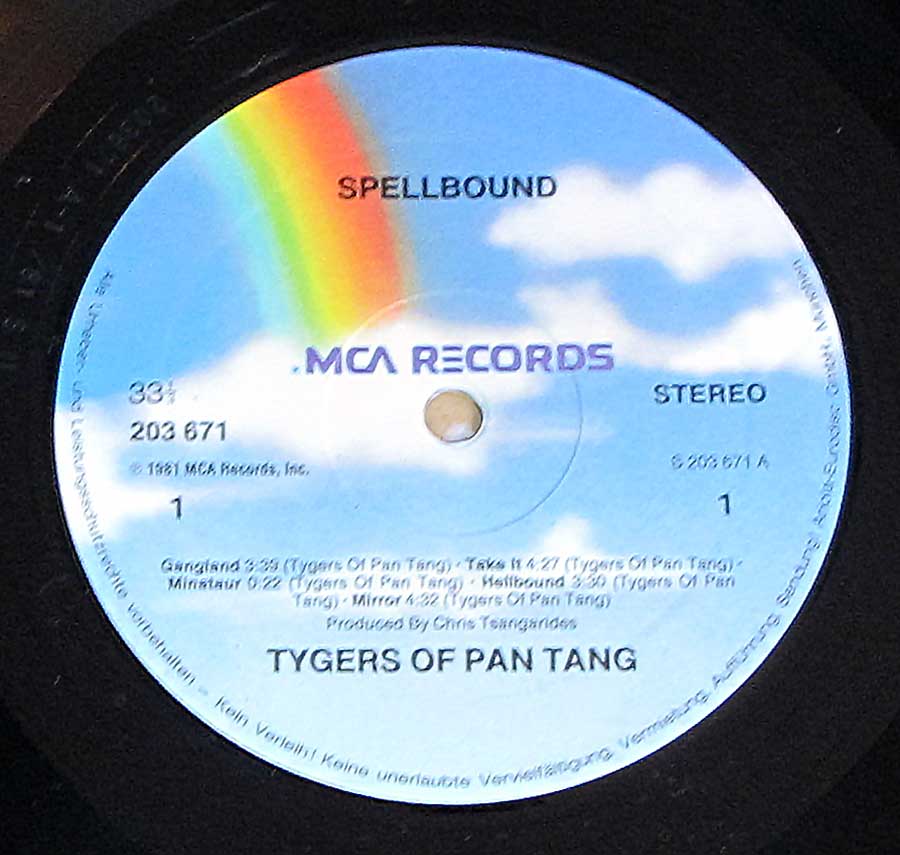
From the propulsive charge of “Gangland” to the brooding layers of “Mirror” and the explosive hooks of “Hellbound,” Spellbound walks the line between traditional British metal and an evolving melodic sensibility. Short interludes like “Minotaur” hint at conceptual depth, while songs like “Silver and Gold” channel blues roots into arena-ready riffs.
Genre and Stylistic Significance
Spellbound exemplifies NWOBHM's versatility. It’s an album that honored the roots of '70s hard rock but looked forward with a modern bite. Unlike the punk-laced aggression of Motörhead or the operatic grandeur of Iron Maiden, the Tygers forged a sleek, dual-guitar attack wrapped in anthemic songwriting—equal parts raw and refined.
Production and Studio Precision
Produced by Chris Tsangarides, a name synonymous with genre-defining heaviness, the album was tracked at Morgan Sound Studios in London. Tsangarides’ touch is unmistakable: clean, yet ferocious. He let the guitars roar without clouding Deverill’s vocals or Brian Dick’s thunderous drumming. With Andrew Warwick joining as recording engineer, the team sculpted an album that sounded both immediate and precise.
Controversies and Lineup Evolution
Internally, Spellbound marked a moment of evolution. The band’s earlier vocalist, Jess Cox, was replaced during the transitional phase, causing brief ripples among fans loyal to the debut’s rawer sound. Yet the gamble on Deverill paid off, and the chemistry with Sykes created a tension that energized every track. There were no mainstream controversies tied to the album, but its elevated production and stylistic shift marked a clear line in the sand for critics and diehards alike.
Band Description:
"Tygers of Pan Tang" is a British heavy metal band that was formed in 1978 in the city of Whitley Bay, England. The band is considered to be one of the pioneers of the New Wave of British Heavy Metal (NWOBHM) movement and is known for their high-energy, fast-paced music and powerful guitar riffs. Their most popular songs include "Wild Cat," "Love Potion No. 9," and "Don't Stop By." Despite lineup changes and hiatus periods, the band continues to tour and perform, and they have a dedicated fanbase that supports their music and legacy.
Origin of the Band Name
The name Tygers of Pan Tang is derived from the fantasy novels of British author Michael Moorcock, particularly his Elric of Melniboné series. In this universe, Pan Tang is a fictional island nation inhabited by warlike sorcerers and ruled by dark forces. The "Tygers" are fierce, mythical beasts that serve the island's inhabitants. The band adopted this name to evoke a sense of mysticism, power, and exotic danger—perfectly in line with their intense, heavy metal sound.