"Sonic Sounds 3" (1987) Album Description:
"Sonic Sounds 3" is the kind of small, sharp 1987 artifact that tells you more about the UK indie moment than a stack of grand statements: four bands, four angles, one quick hit of friction and melody. It mattered because it worked like a fast distribution system between the music press and the label underground, turning a weekly paper into a moving mouth for the scene. Call it a sampler if you want, but it plays like a miniature argument about where guitar music could go next.
Where it landed in 1987
In Britain, 1987 was a year of narrowed wallets and widened tastes: Thatcher-era pressure outside, a loud argument inside the clubs about what “alternative” even meant. The post-punk hangover was still in the air, C86 had already trained listeners to hear scruffiness as a virtue, and American college rock was starting to leak into UK guitar thinking. The result was a scene that prized immediacy, irony, and texture over polish, even when it pretended it didn’t.
This EP sits in that exact crossroads: indie rock with garage grit, post-punk nerves, and the earliest hints of the groove-first future that would soon get branded and sold back as a “movement.” The point wasn’t perfection. The point was velocity, and the feeling that any band with a good idea and a cheap rig could get heard if the right people pushed the right paper across the right counter.
Creation, the press, and the pipeline
Creation Records was built to move fast and talk loud, and the whole operation thrived on the same electricity that powered the UK music papers: hype, discovery, and the weekly need for something new. Alan McGee’s world favored bold taste and quick decisions, and samplers like this were a practical extension of that attitude. If radio wasn’t going to break your band, and majors were still sniffing suspiciously, you used the channels you had.
Four tracks. No filler. Just the sound of a scene trying on different jackets and pretending it didn’t care how it looked.
The genre, in plain English
“Indie” here doesn’t mean a single sound as much as a shared set of instincts: do it yourself, keep it lean, and write like the chorus is a weapon. The guitars tend to be bright or abrasive, the rhythms either clipped or sly, and the vocals are rarely interested in sounding “correct.” It’s rock music with a skeptical eyebrow raised.
In the same year, you could triangulate the neighborhood with bands that were also stretching the guitar template: The Jesus and Mary Chain’s noise-pop bite, Primal Scream’s early jangle and attitude, and My Bloody Valentine sharpening the hazy edges that would soon turn into something bigger. Across the Atlantic, R.E.M. had already made “alternative” feel like a real lane, and the Pixies were about to kick the door open with a new kind of quiet-loud logic.
What the EP actually sounds like
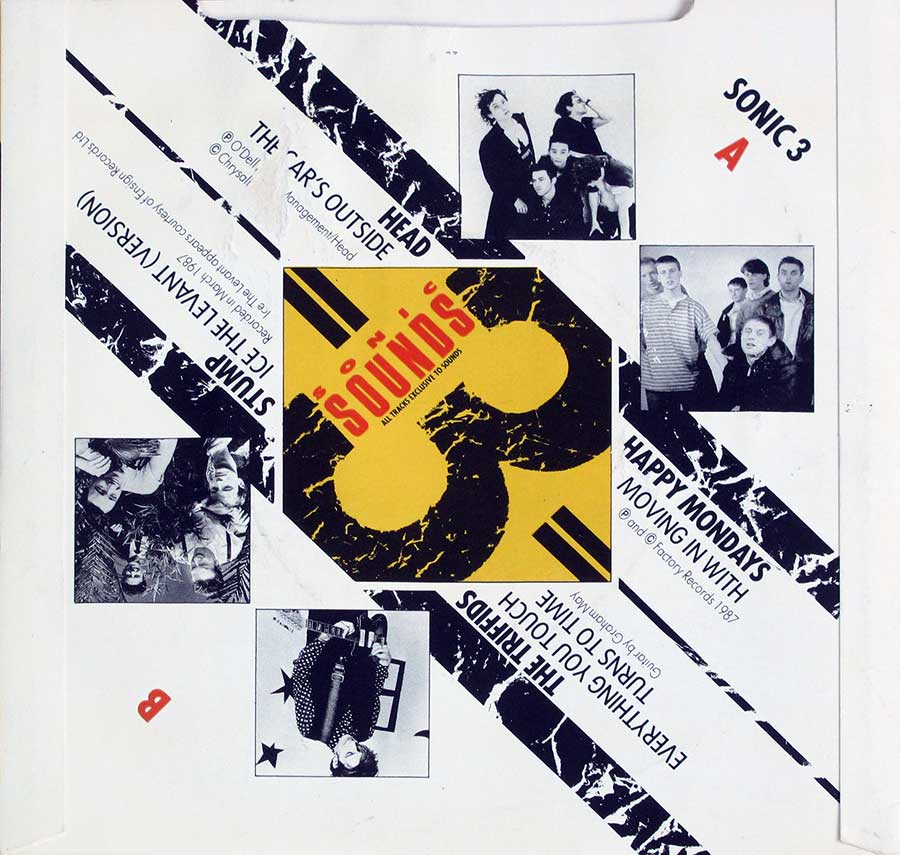
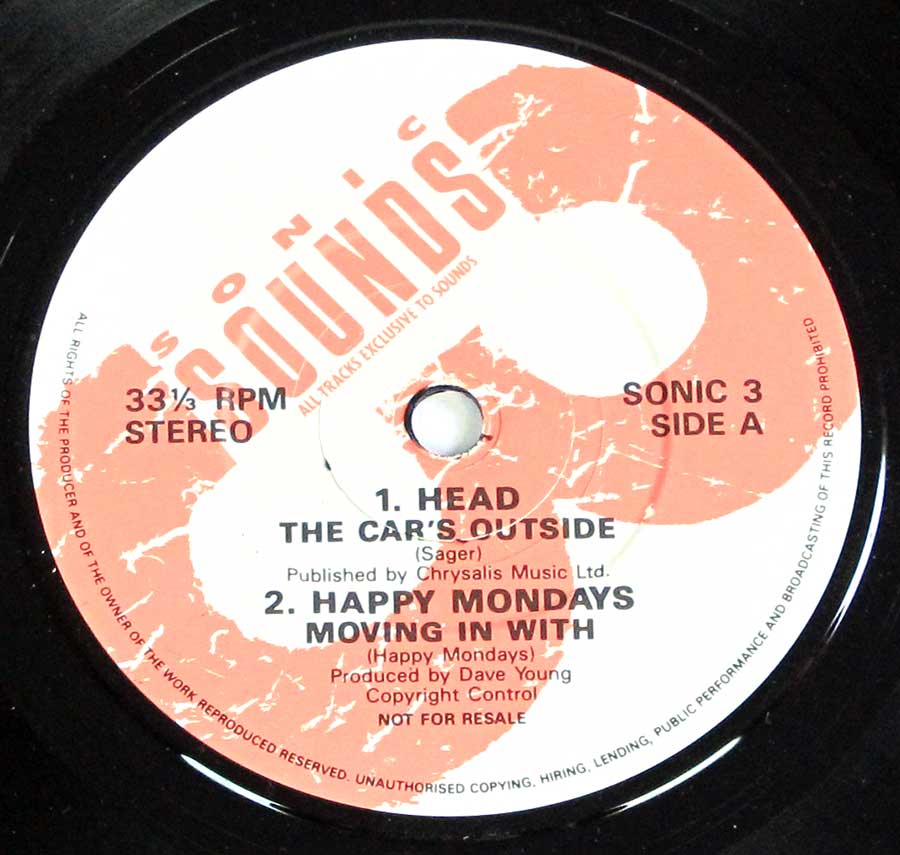
Side A opens with Head’s "The Car's Outside," and it’s a tight, impatient piece of guitar pop that feels like it was recorded with one eye on the clock. The sound is springy and wired, a quick rush of chordal brightness that doesn’t linger long enough to get sentimental. It sets the EP’s tone: short statements, sharp outlines.
Then Happy Mondays’ "Moving in With" arrives as the troublemaker with rhythm in its pocket, pushing the groove a little closer to the front than indie orthodoxy was supposed to allow. There’s a loose-limbed swagger to it, the kind that suggests the band already knew that dancing was going to outlive posing. Producer Dave Young keeps it direct, which is exactly what the track needs: no perfume, no apology.
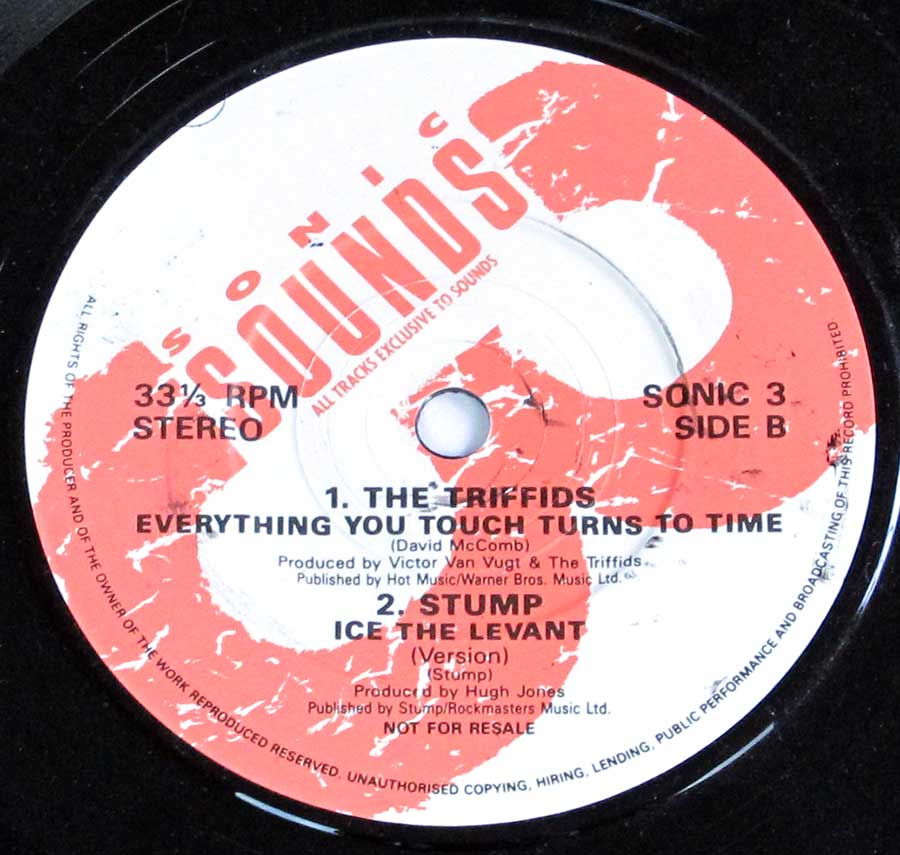
Flip it, and The Triffids’ "Everything You Touch Turns to Time" shifts the lighting from day-glare to late-afternoon. The mood gets richer and more cinematic, with a sense of space and emotional weight that feels imported from somewhere wider than the UK club circuit. Victor Van Vugt’s hand is felt in the way the track breathes; it’s not about excess, it’s about depth.
Stump’s "Ice The Levant" closes the set like a crooked grin, bringing an angular, experimental edge that treats “rock band” as a suggestion, not a rule. The rhythms twitch, the tone is strange in the best way, and the whole thing comes off like post-punk that learned to laugh without getting friendly. Hugh Jones, a producer who understood how to capture energy without sanding it down, is the perfect fit for this kind of controlled chaos.

Musical exploration: four different exits off the same road
The EP’s real trick is that it doesn’t pretend the scene was one thing. It’s guitar pop that wants to sprint, a groove that wants to sprawl, a song that wants to haunt, and a cut that wants to break the furniture and then put it back differently. The sequencing makes the argument without spelling it out: indie rock wasn’t a genre, it was a bargaining table.
- Melody-as-velocity: Head pushing tight pop structure with minimal fuss.
- Rhythm-as-attitude: Happy Mondays hinting at the dance pressure to come.
- Atmosphere-as-story: The Triffids turning time and regret into texture.
- Form-as-mischief: Stump treating rock like a toy box with sharp corners.
Key people behind the sound
Producers matter most on a sampler like this when they don’t get in the way, and that’s exactly the point here. Dave Young’s approach on the Happy Mondays track is functional in the best sense: keep the take moving, keep the grit intact, and let the band’s personality do the heavy lifting. Hugh Jones is the opposite kind of “invisible,” shaping the room so the weirdness lands clean instead of collapsing into noise.
Victor Van Vugt’s presence on The Triffids side suggests a producer who understands dynamics and emotional contour, not just volume and clarity. When a track is built on mood, you don’t win by polishing it. You win by keeping the air in it.
Band snapshots: where these groups were in 1987
Happy Mondays had formed in Salford in 1980, and by the late 80s they were already moving from post-punk edges toward a hybrid that would later get a name and a myth. The core lineup centered on Shaun Ryder with brother Paul Ryder on bass, plus Mark Day and Paul Davis with Gaz Whelan driving the kit, and Bez turning stage presence into an instrument. This track catches them before the big cultural branding, when the feel was already there but the story hadn’t been sold yet.
The Triffids came out of Perth, Australia, with David McComb as the gravitational center, and they always sounded like they were carrying distance inside the songs. Their lineup shifted over the years, but the identity stayed: literate, restless, and allergic to cheap uplift. Dropping them into a UK indie sampler makes the scene look wider, which it was, even when it pretended to be local.
Stump, an Anglo-Irish outfit, operated on the margins where post-punk, funk angles, and experimental rock could share the same nerve. Their lineup (with Mick Lynch up front and a band that treated rhythm like architecture) made them a natural outlier on any compilation. Outliers are useful: they tell you whether a scene has curiosity or just uniforms.
Head remains the most opaque name here, which is sometimes the reality of mid-80s indie: great songs, short runs, and a paper trail that fades fast. But the performance on "The Car's Outside" is confident enough to justify its slot, and that’s the only credential that matters on a four-track EP.
There was also the quieter argument about gatekeeping: who gets selected for the sampler, and who gets left in the van outside the venue. Compilations always claim to be “a snapshot,” but every snapshot is framed by someone’s taste, budget, and alliances. The only honest part is that nobody pretends it’s democratic.