Bob Rock, I file his name under "the guy who makes bands sound like they bench-press mountains." He cut his teeth at Vancouver's Little Mountain Sound Studios (starting in 1976), then graduated from behind-the-glass detail freak to full-on hit-forge producer. As a performer he wasn't just a studio shadow: he was in Payola$ (formed 1978), teamed up as Rock and Hyde (1987), released music with Rockhead (1991), and in the ultimate "wait, what?" moment he played all the bass parts on Metallica's "St. Anger" and even served as their live bassist from Jason Newsted's 2001 exit until Robert Trujillo joined in February 2003. Production-wise, his fingerprints are all over huge, loud turning points: Mötley Crüe's "Dr. Feelgood" (1989), The Cult's "Sonic Temple" (1989), and Metallica's self-titled "Black Album" (1991) are basically proof that polish and punch can coexist without filing off the danger. He is the rare producer who can make a band sound bigger without making them sound fake, which is a small miracle in rock history.Bob Rock Wiki
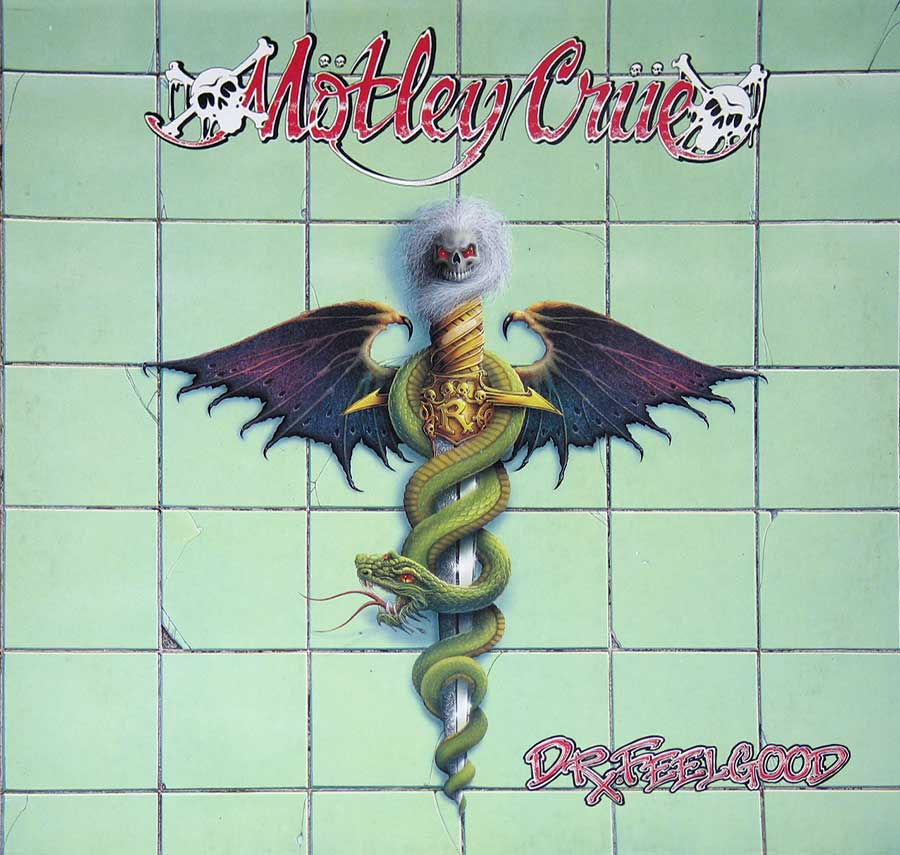
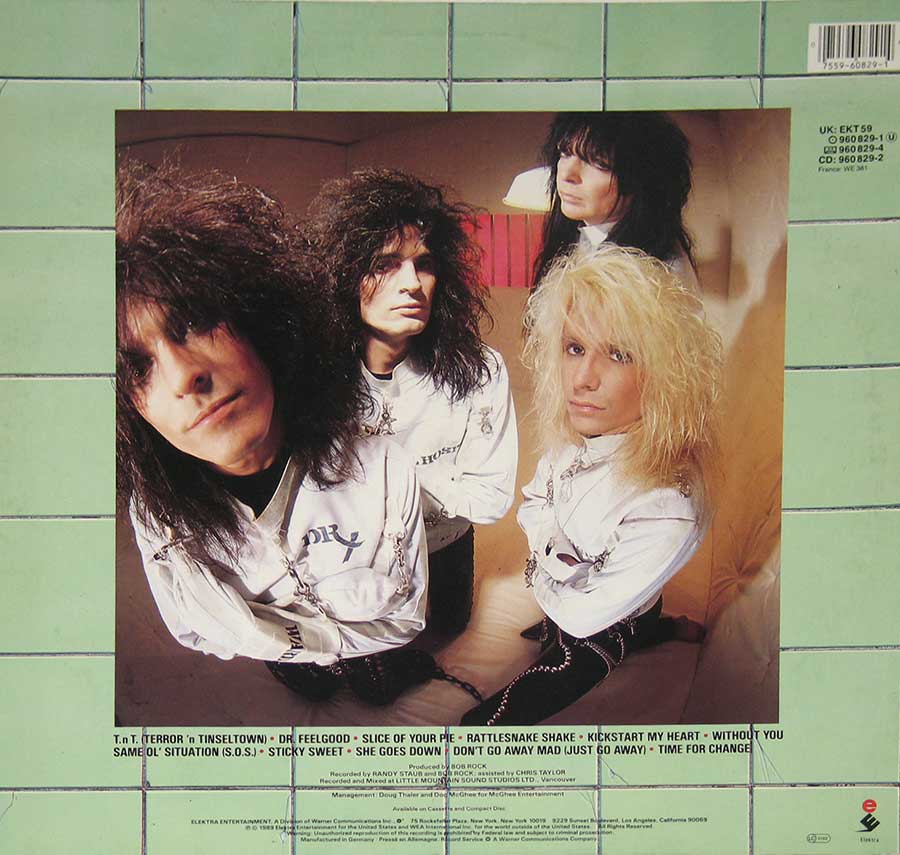
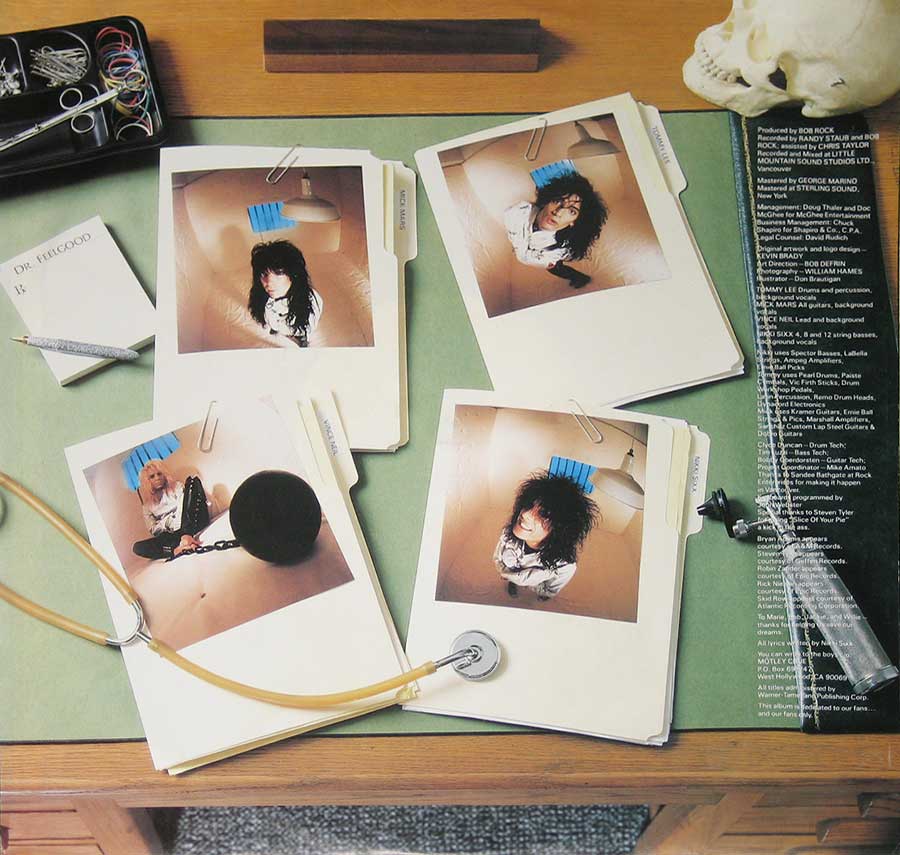
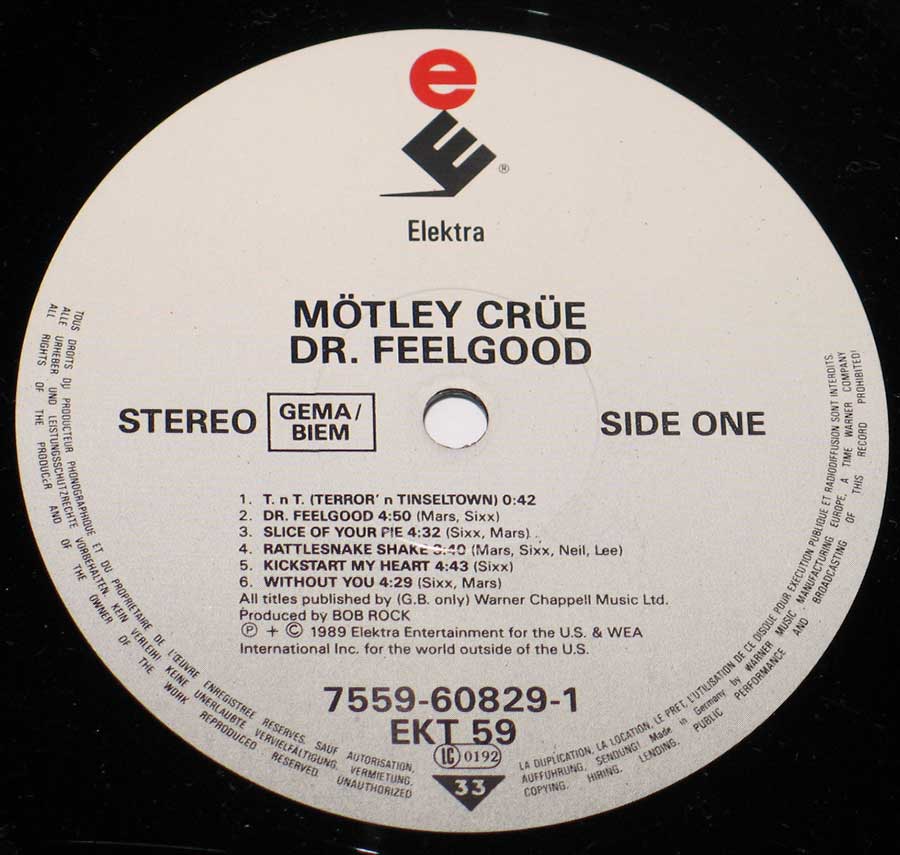
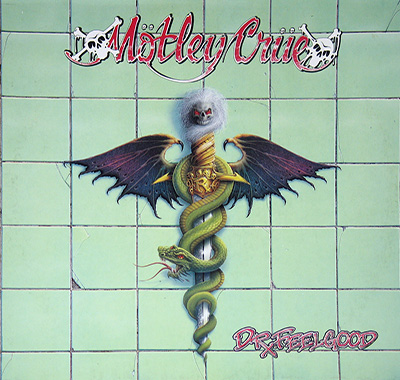
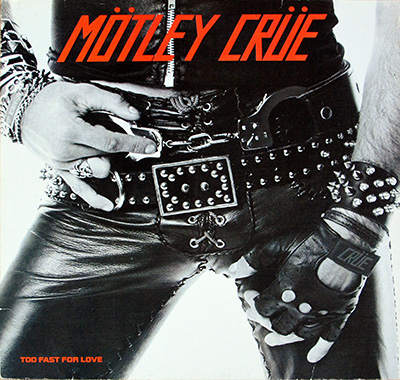
MOTLEY CRUE - Dr Feelgood 12" Vinyl LP Album
European Release
Mötley Crüe's Dr. Feelgood likely had a European release around the same time as the US in August 1989. Details vary, but it was likely on Elektra Records. This hard rock album, their strongest commercially, marked a turning point with the band embracing sobriety. It features classic tracks like "Dr. Feelgood" and "Kickstart My Heart," and was the last with vocalist Vince Neil until 1997.